Safonov reveals how he forced Eze to miss his penalty in Champions League final
In an interview with Le Parisien, PSG goalkeeper Matvey Safonov explains how he deliberately froze his position to force Eberechi Eze to improvise and miss the target during the penalty shootout of the Champions League final against Arsenal.
1 min read
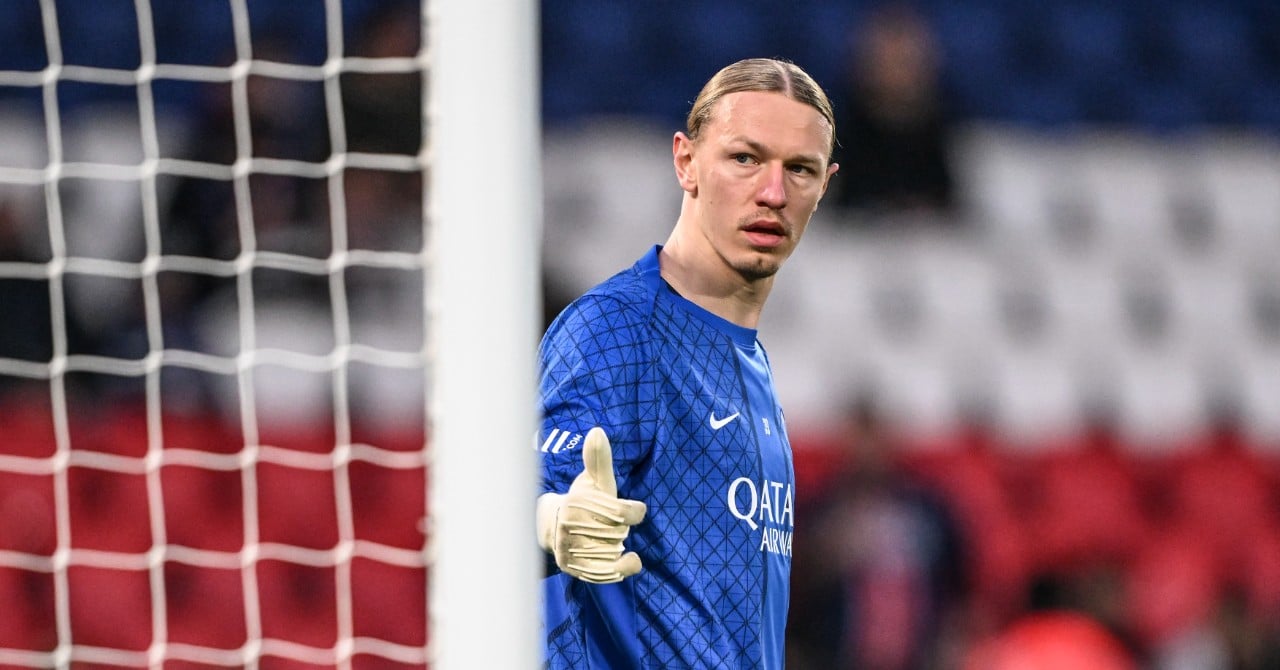
Matvey Safonov takes partial credit for Eberechi Eze’s missed penalty during the Champions League final on May 30 in Budapest. PSG beat Arsenal 4-3 on penalties (1-1 after extra time), claiming the trophy.
In an interview with Le Parisien, the Russian goalkeeper recalls that precise moment. “He watched my position waiting for me to make my move. I stayed perfectly still,” he explains. According to him, the Arsenal forward, deprived of any clues, was forced to improvise at the last second. “If I had taken an anticipatory step to my left, he would have calmly opened his foot on the other side, because that’s his specialty. By staying unmoved, I closed off that comfortable option for him. That’s precisely a goalkeeper’s role: to outwit the attacker.”
Safonov, with 18 caps for Russia, describes his penalty shootout preparation as both meticulous work and composure. “It’s above all a psychological battle,” he says. “Nowadays, with video analysis, everyone studies themselves. I spend a lot of time breaking down attackers’ habits.” He also mentions his now-famous towel on which he records notes about each opposing penalty taker, a tool that became public after the final.
Arrived at PSG last summer from Krasnodar, the goalkeeper has established himself as Luis Enrique’s number one. He will start Wednesday evening at Parc des Princes for PSG’s opening match in the new Champions League phase against Slovan Bratislava, as the club seeks to defend its back-to-back titles.
Read also
-
 Football ·
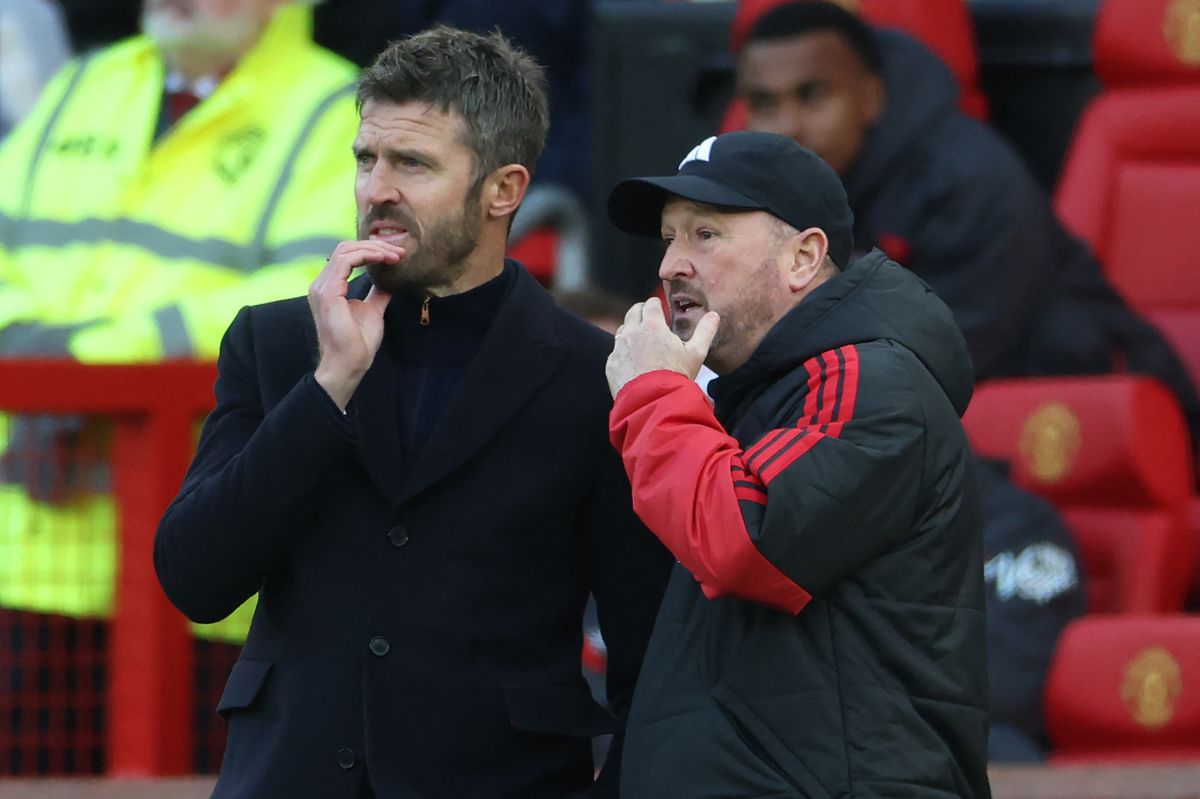
Carrick's United future hangs by a thread after 3-0 collapse leaves club one point above relegation
-
 Football ·
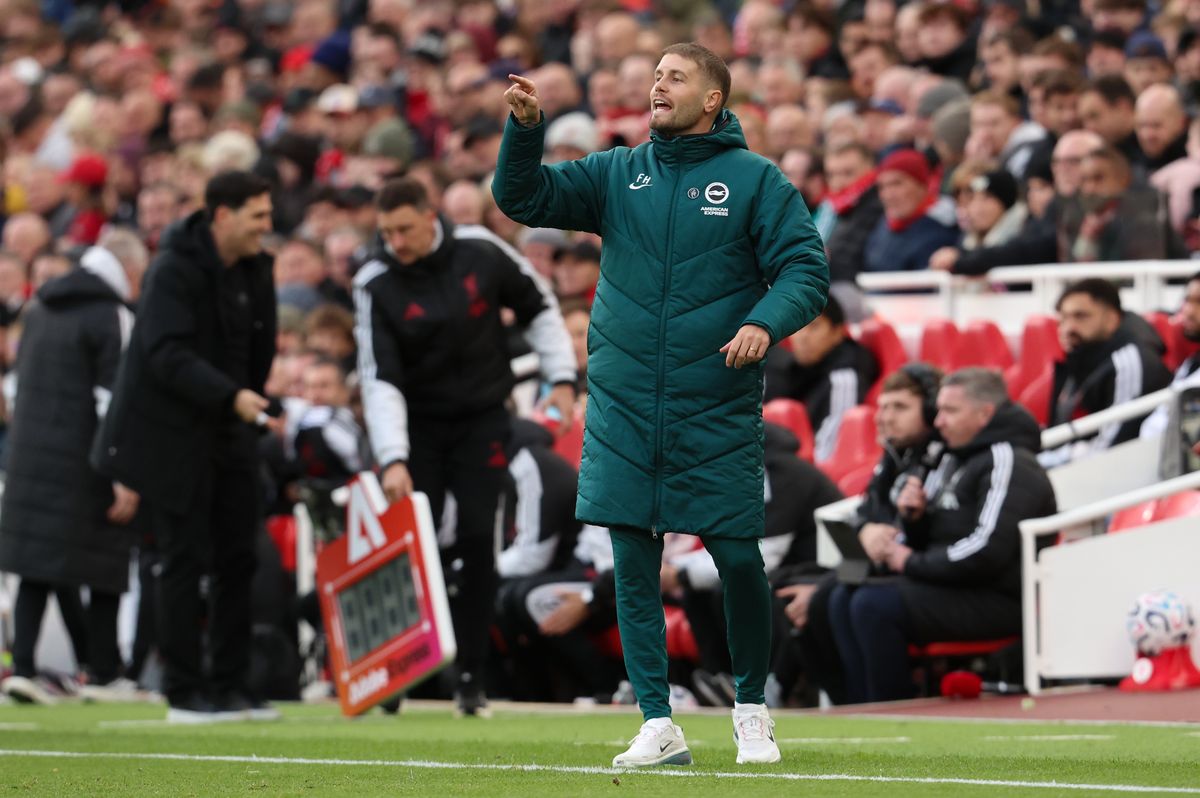
Hurzeler accuses Brighton of outplaying Liverpool after Anfield defeat as Araujo loan love affair deepens
-
 Football ·
Truffert punishes Yoro's error as Bournemouth thrash Manchester United 3-0 at Old Trafford
-
 Football ·
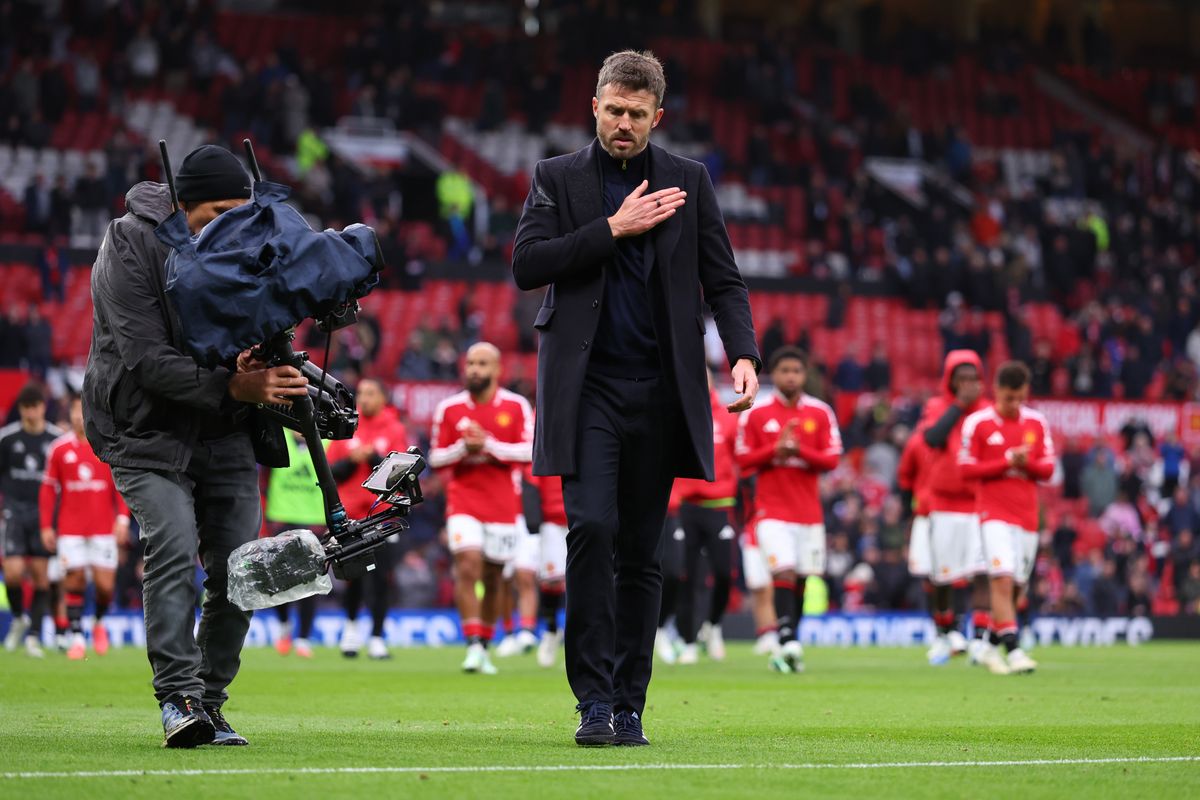
Carrick admits players are 'hurting' after Old Trafford crowd boos them off in 3-0 Bournemouth defeat
-
 Football ·
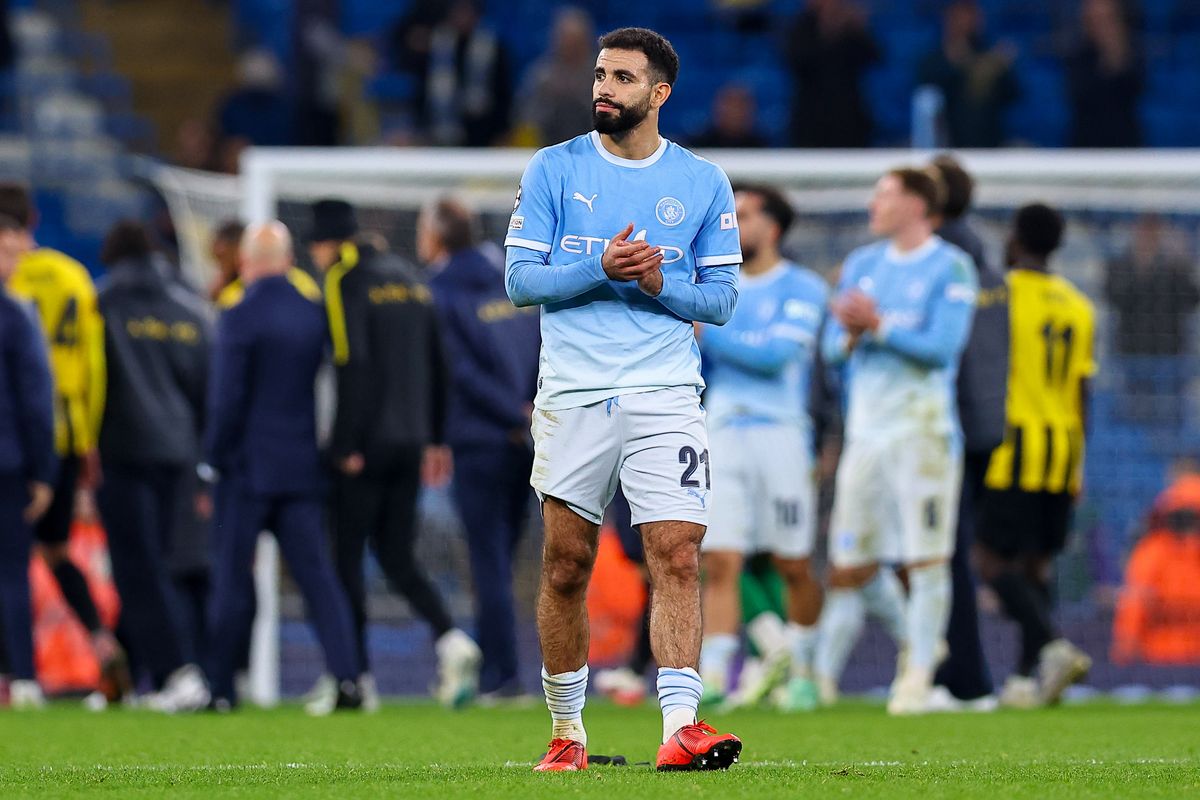
Ait-Nouri faces January exit after Maresca freezes him out of City's Premier League plans
-
 Football ·
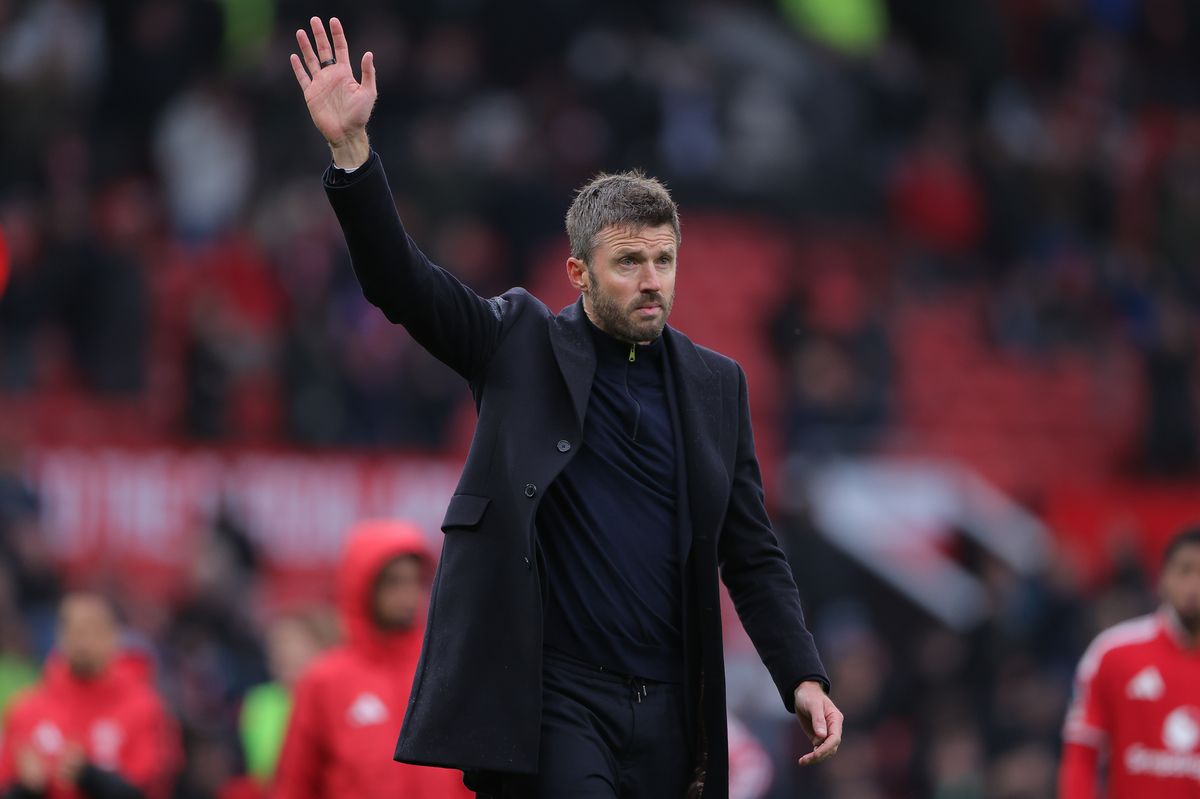
Ratcliffe accelerates Carrick sack as United slump to 16th after Bournemouth rout