Roy Keane ridicules Manchester United's pre-derby warm-up routine in front of baffled co-pundits
Roy Keane publicly lambasted Manchester United's defensive warm-up ahead of their Premier League derby against Manchester City, mocking the back four's routine of defending uncontested long balls and low passes.
1 min read
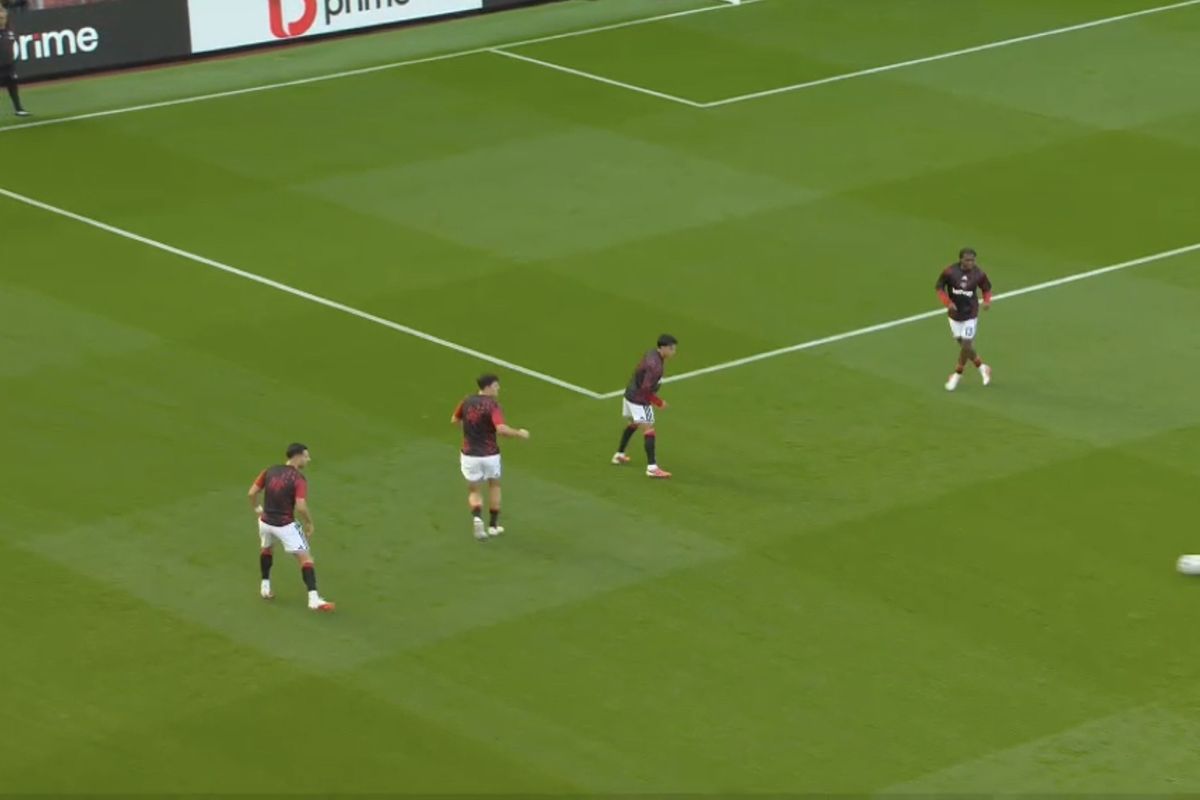
Roy Keane tore into Manchester United’s pre-match preparation before their Premier League derby against Manchester City, singling out the back four’s warm-up routine for sharp criticism in front of his fellow pundits.
Keane was visibly frustrated watching Diogo Dalot, Harry Maguire, Lisandro Martinez and Patrick Dorgu — the defensive unit selected by caretaker manager Michael Carrick — go through a routine that involved defending lofted balls and low passes played into their feet. The exercise is a standard fixture in pre-match preparation for defensive lines across the top flight, but Keane was unconvinced it was time well spent.
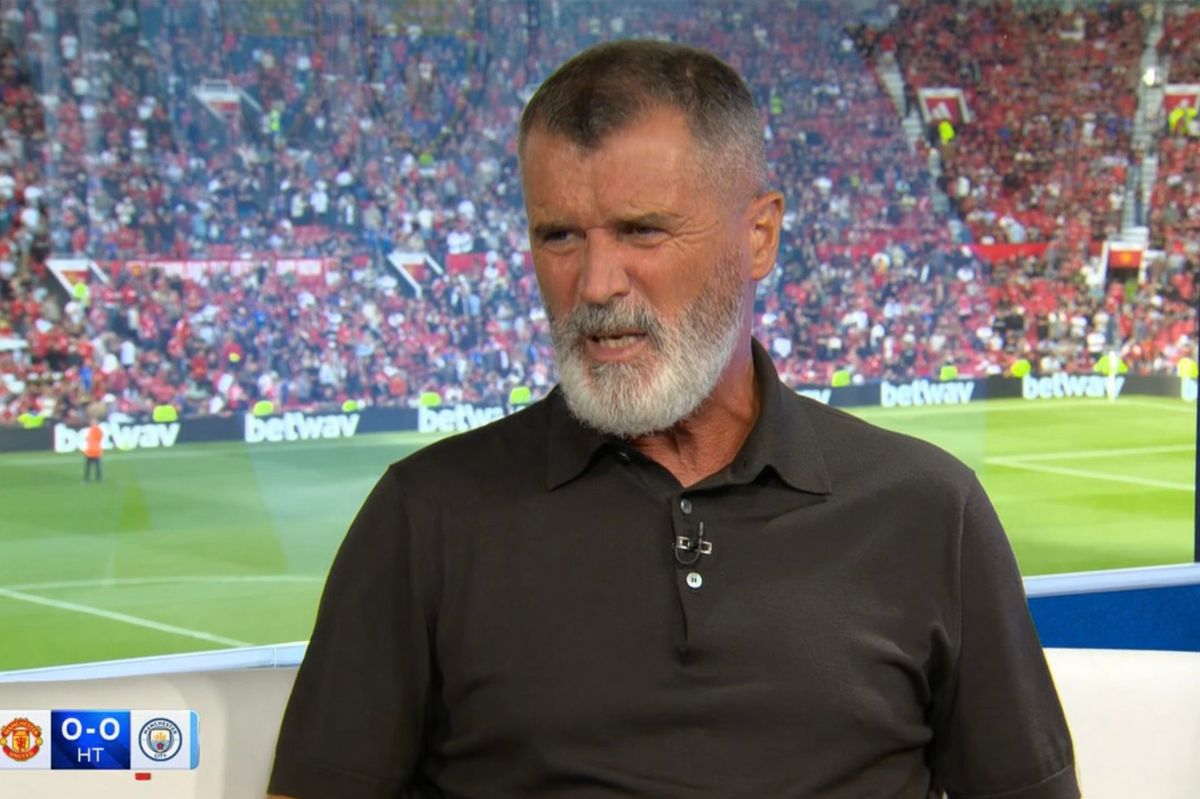
The former United captain and midfielder made his feelings clear on air, lashing out at the drill while his co-pundits struggled to keep straight faces beside him.
Carrick deployed the four-man backline for the derby, with Dalot and Dorgu operating as the fullbacks either side of the Maguire-Martinez centre-back partnership. The warm-up clip quickly drew attention given the occasion — a Manchester derby rarely short of scrutiny — and Keane’s reaction only amplified it.
Keane has long been one of the most outspoken critics of the club he captained to seven Premier League titles, and his latest broadside adds to a string of pointed assessments he has delivered about United’s standards this season.
Read also
-
 Football ·
Keane says Fernandes was 'the violent one' before Foden's red card at Old Trafford
-
 Football ·
Ronaldo demands stadium bans after chants targeting Diogo Jota
-
 Football ·
Injured Alvarez misses Atletico trip as Arsenal transfer saga rumbles on
-
 Football ·
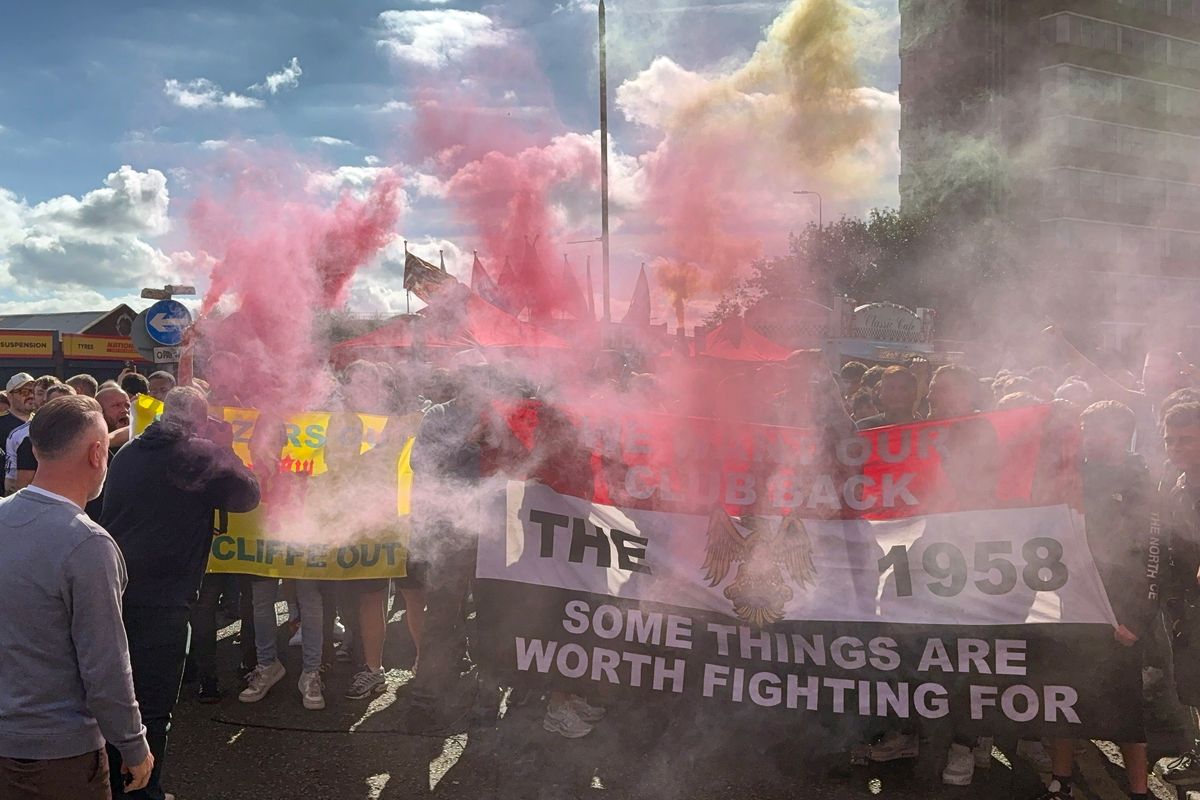
United fans march on Old Trafford to protest mass season-ticket bans before Manchester derby
-
 Football ·
Foden sent off in Manchester derby after kicking out at Fernandes, VAR upholds red
-
 Football ·
Foden sent off in 23rd minute as 10-man City face United at Old Trafford