Foden sent off in 23rd minute as 10-man City face United at Old Trafford
Phil Foden was dismissed for kicking out at Bruno Fernandes in the 23rd minute of the Manchester derby, becoming the first City player to receive a red card in the fixture since 2006. Referee Michael Oliver's decision was upheld by VAR.
1 min read
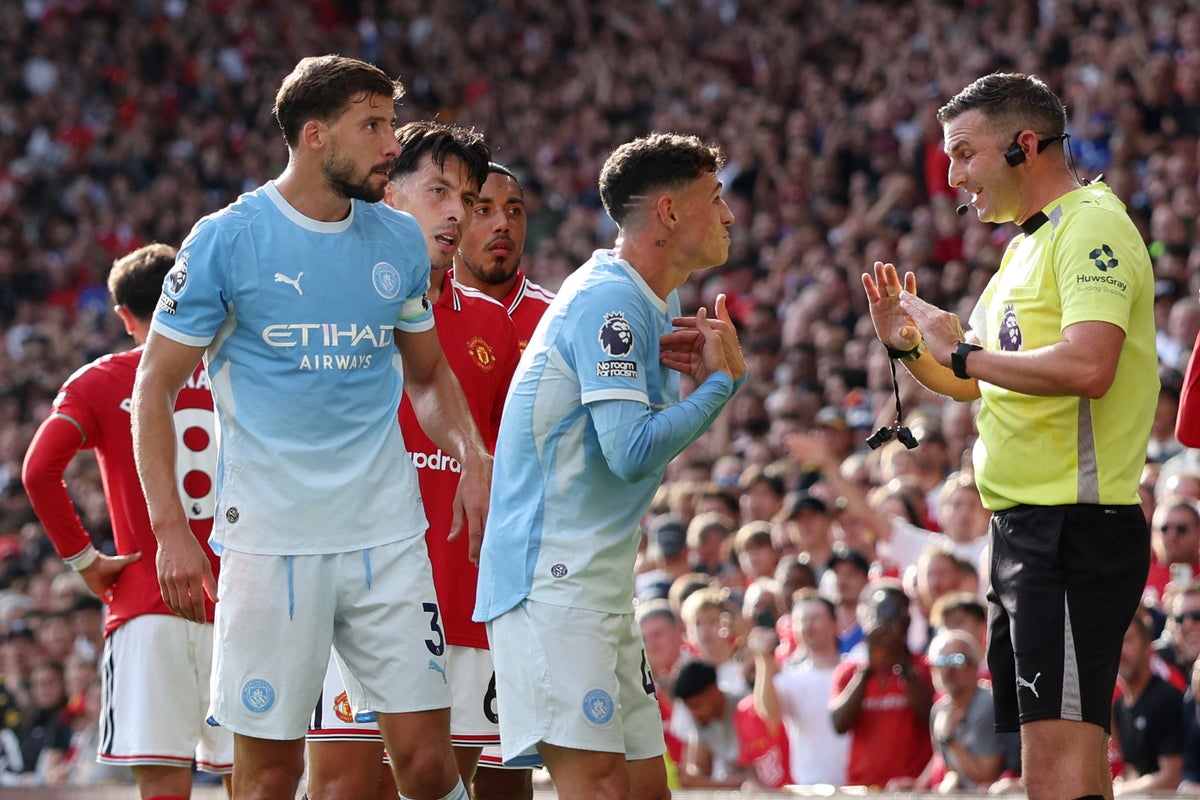
Phil Foden was shown a straight red card in the 23rd minute of the Manchester derby at Old Trafford after kicking out at Manchester United captain Bruno Fernandes, leaving City down to 10 men in the Premier League clash.
The incident began when Fernandes challenged Foden near the touchline, with the City midfielder falling to the ground on top of the ball. Fernandes made contact with Foden as he attempted to play the ball, catching him in the lower back. Foden reacted by kicking out at Fernandes with both feet while still on the ground, catching him in the stomach.
Referee Michael Oliver issued an immediate red card, which was reviewed and confirmed by VAR official Matt Donohue. According to the Premier League Match Centre, Oliver cited a “kick out into the body of Bruno” as the basis for his decision. Donohue added: “That looks like a clear red card to me. Looks to be a secondary movement.”
Foden, who was born in Stockport, became the first Manchester City player to be sent off in the Manchester derby since 2006 — a notable landmark in one of English football’s most fiercely contested fixtures.
Fernandes escaped any punishment for his role in the incident, a decision that drew comment from former Manchester United defender Gary Neville. “I am surprised that Fernandes has got away without a booking,” Neville said during commentary on the match.
Read also
-
 Football ·
Keane defends Foden and labels Fernandes 'the violent one' after Manchester derby red card
-
 Football ·
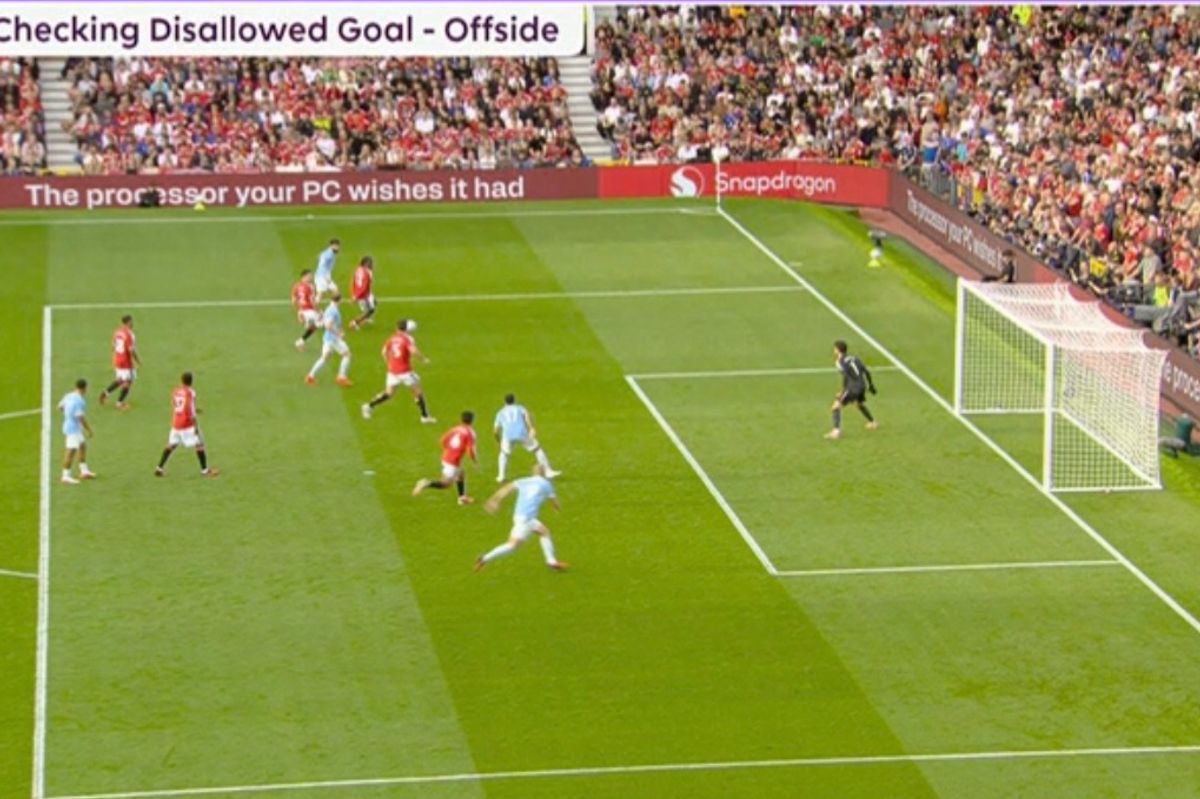
VAR overrules flag to award Haaland goal as Neville struggles to explain offside call
-
 Football ·
Valencia sack manager Corberan and CEO Gourlay after winless five-game start leaves them bottom of La Liga
-
 Football ·
Keane says Fernandes was 'the violent one' before Foden's red card at Old Trafford
-
 Football ·
Ronaldo demands stadium bans after chants targeting Diogo Jota
-
 Football ·
Injured Alvarez misses Atletico trip as Arsenal transfer saga rumbles on