World Cup 2030 explained: six nations, three continents and 104 matches
World Cup 2030 will be hosted primarily by Spain, Portugal and Morocco across 20 stadiums, with three centenary matches played in Uruguay, Argentina and Paraguay — making it the first six-nation, three-continent tournament in the competition's history.
2 min read
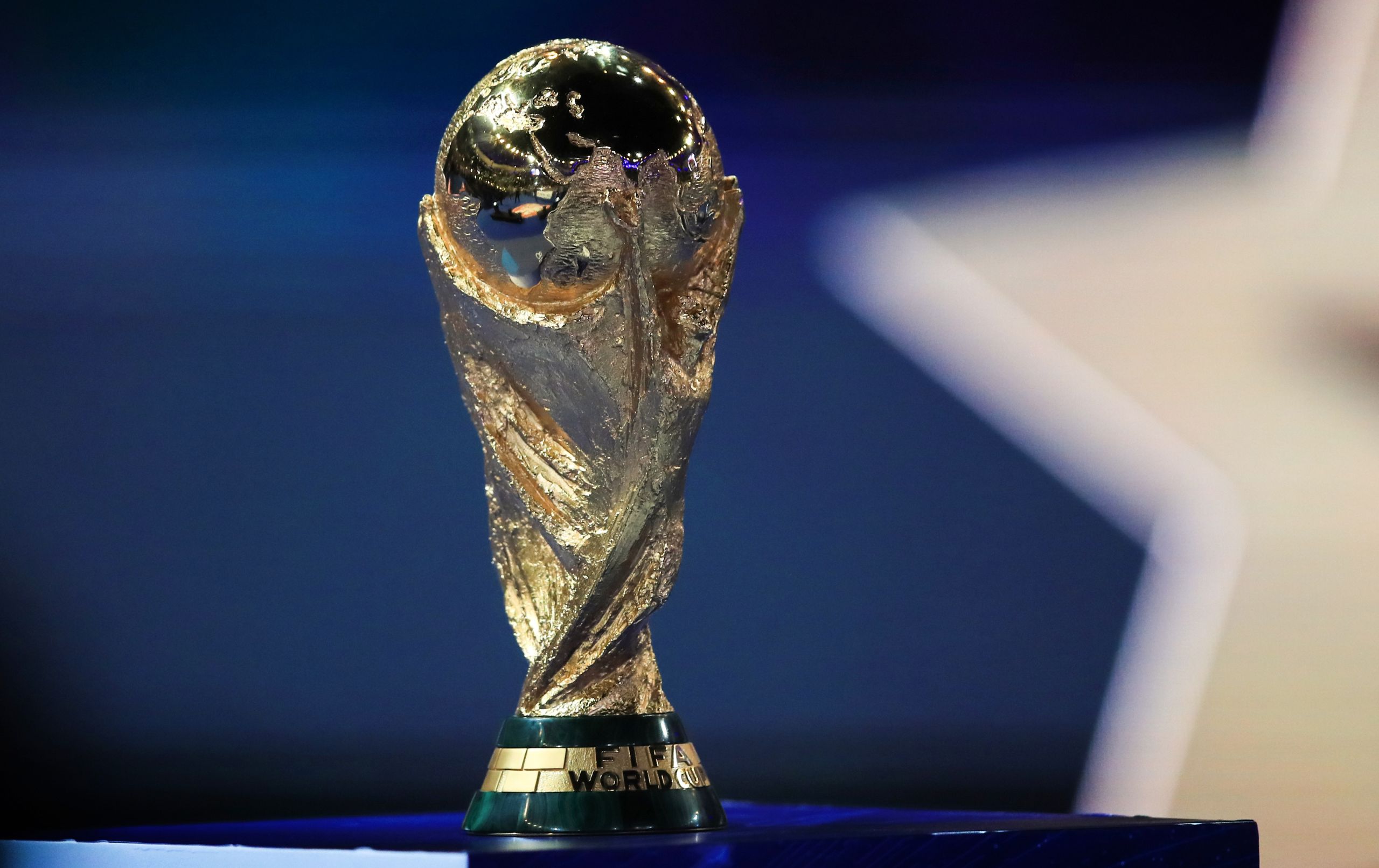
World Cup 2030 will be the most geographically sprawling tournament in the competition’s 100-year history, spread across six host nations on three continents, with 104 matches scheduled across venues from Montevideo to Madrid.
The main hosts: Spain, Portugal and Morocco
The primary co-hosts — Spain, Portugal and Morocco — will stage 101 of the 104 matches across 20 stadiums in 17 cities. Spain accounts for 11 of those venues, Morocco six and Portugal three.
Several cities will operate two stadiums simultaneously. Barcelona will use Camp Nou and RCDE Stadium; Madrid will host matches at the Bernabeu and the Metropolitano; and Lisbon will split fixtures between Estadio da Luz and Estadio Jose Alvalade.
The centenary matches in South America
The remaining three fixtures will be played in South America as a direct tribute to the first World Cup, held in Uruguay in 1930. Those centenary matches are assigned to Estadio Centenario in Montevideo, Estadio Monumental in Buenos Aires and Estadio Osvaldo Dominguez Dibb in Asuncion — bringing Uruguay, Argentina and Paraguay into the host group.
Argentina were the losing finalists in that inaugural 1930 tournament, and CONMEBOL had previously floated the idea of a one-off expansion to 64 teams to mark the centenary before the current format was agreed.
Automatic qualification for all six hosts
All six co-host nations receive automatic qualification for the 48-team tournament, regardless of how many matches they stage. That means Uruguay, Argentina and Paraguay are already confirmed participants despite each hosting just a single fixture.
Format: 48 teams, 12 groups, a round of 32
The structure mirrors the expanded format introduced at World Cup 2026. Forty-eight nations will compete in 12 groups of four, with a round of 32 following the group stage before the knockout rounds begin.
Why six nations — and what it means for 2034
FIFA confirmed the three main co-hosts in December 2024, alongside the announcement that Saudi Arabia will host the 2034 edition. The decision to include South American nations in 2030 has significant knock-on consequences: under FIFA’s rotation rules, confederations from the previous two host tournaments are ineligible to bid for the next. With CONCACAF (2026), UEFA, CAF and CONMEBOL all represented in 2030, nations from those four confederations cannot host in 2034 — a factor that effectively cleared the path for Saudi Arabia’s successful bid.
Read also
-
 Football ·
United offer JJ Gabriel scholarship to block cut-price exit as Carrick addresses City verdict
-
 Football ·
Tchouameni admits playing injured at World Cup, Deschamps faces serious accusations
-
 Football ·
Rejected by Chelsea at 14, Michael Olise Returns to Sign with the Blues
-
 Football ·
CAF considers returning Africa Cup of Nations to biennial format, reversing earlier decision
-
 Football ·
United eye Branthwaite and Van de Ven as Conte signals interest in Old Trafford role
-
 Football ·
Carragher warns Iraola faces title pressure if City are relegated over financial breaches