US states extend bar hours for World Cup as hospitality industry eyes late-night trade
Kansas, Missouri, New Jersey, Pennsylvania, Rhode Island, and Washington have all approved extended alcohol sales during the 2026 World Cup, with Philadelphia bars permitted to stay open until 4 am and some Kansas City venues until 5 am.
2 min read
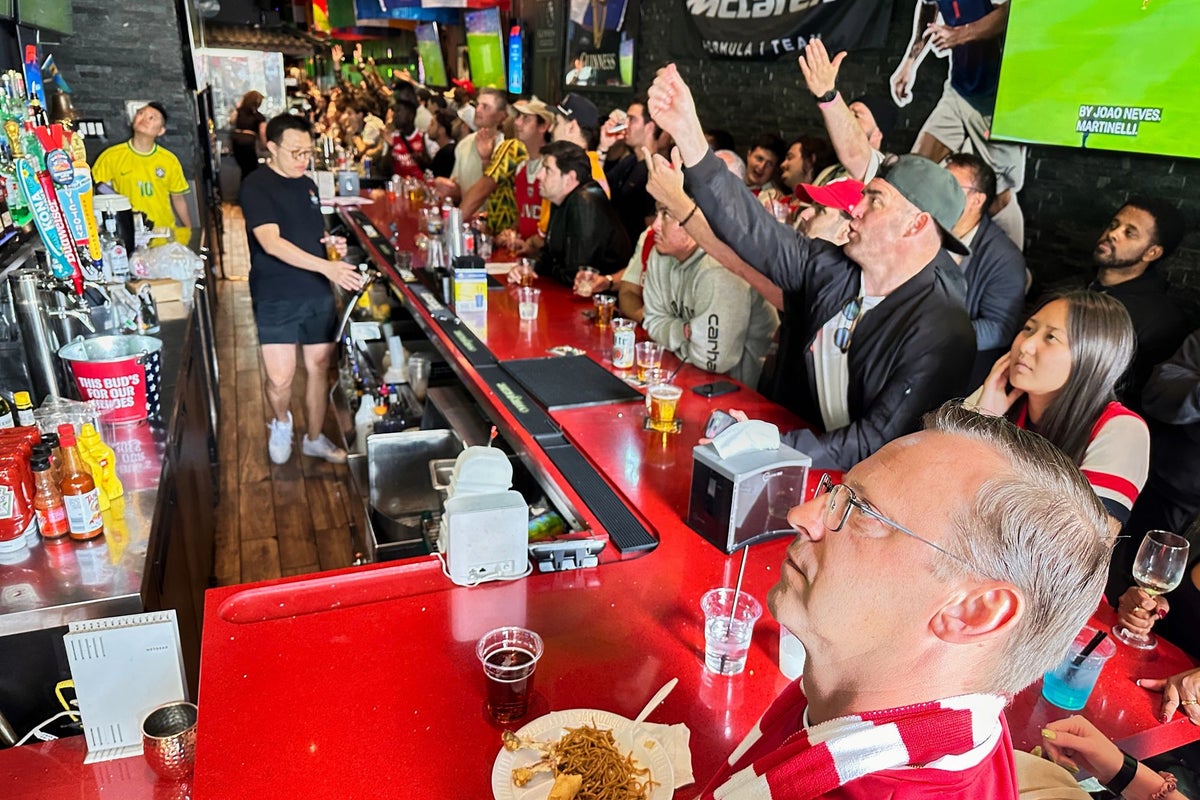
Six US states have approved extended bar and restaurant hours for the duration of the 2026 FIFA World Cup, with closing times in Philadelphia pushed back to 4 am and select Kansas City venues permitted to operate until 5 am under new provisions.
Kansas, Missouri, New Jersey, Pennsylvania, Rhode Island, and Washington — all either hosting matches or situated close to tournament activity — have each sanctioned measures to extend alcohol sales. New York and Massachusetts are currently considering similar proposals.
In Pennsylvania, venues will be permitted to shift their closing time from 2 am to 4 am between June 11 and July 20. Governor Josh Shapiro signed the legislation and accompanied the announcement with a social media post that ended with a pointed reminder: “Celebrate responsibly, Philly.”
The hospitality industry, dealing with declining sales and inflationary pressure, has broadly welcomed the changes. Mark Prinzinger, owner of Lion Sports Bar in Philadelphia, said he has already hired additional staff, streamlined his menu, and planned late-night programming in anticipation of the extended hours. He described the atmosphere of watching football alongside international supporters as a “magical experience.”
“People want to have a beer with other soccer fans and the great thing about the World Cup is that it brings people together from all over the world into one place to watch a sport that everybody loves,” Prinzinger said.
Not everyone has embraced the changes without reservation. Kansas City Mayor Quinton Lucas initially remarked that his city “doesn’t need bars operating 23 hours” during the tournament, though his comments carried a wry tone. Public safety advocates and law enforcement representatives have also raised concerns about the potential strain that extended hours could place on policing resources.
Bar owners have pushed back against those objections, arguing that most establishments invest heavily in staff training to prevent over-serving. Prinzinger said that fans gathering to watch a football match are not necessarily drinking to excess, describing the suggestion as contrary to his experience running a soccer bar.
While the extended hours represent an opportunity, the actual economic benefit remains uncertain. Businesses and local governments alike are treating the measures as a chance to capture demand rather than a guaranteed windfall, with no venue required to extend its operating hours under the new rules.
Read also
-
 Football ·
Olise sent off for throwing ball at opponent's face, ruling him out of Arsenal clash
-
 Football ·
Martinez blasts United directors after 2-0 Champions League loss to Atletico Madrid
-
 Football ·
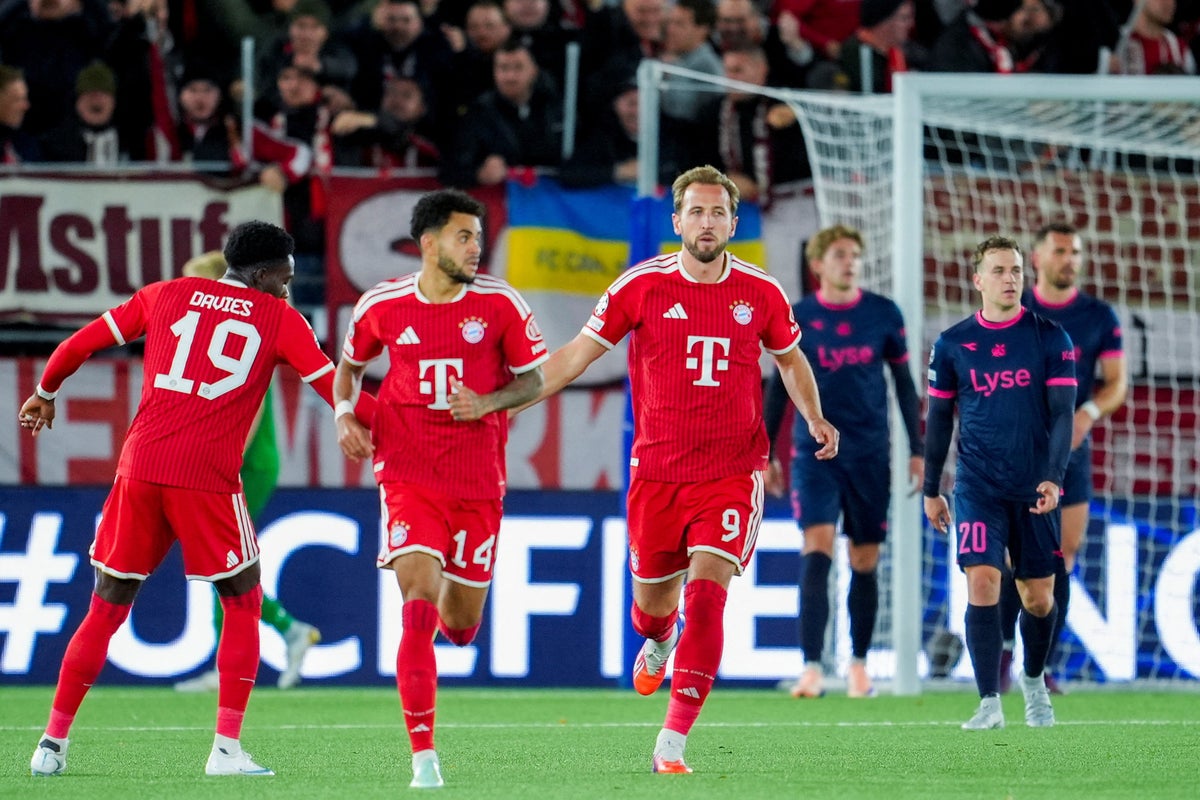
10-man Bayern Munich held to 3-3 draw by Norwegian side Viking despite Kane's double
-
 Football ·
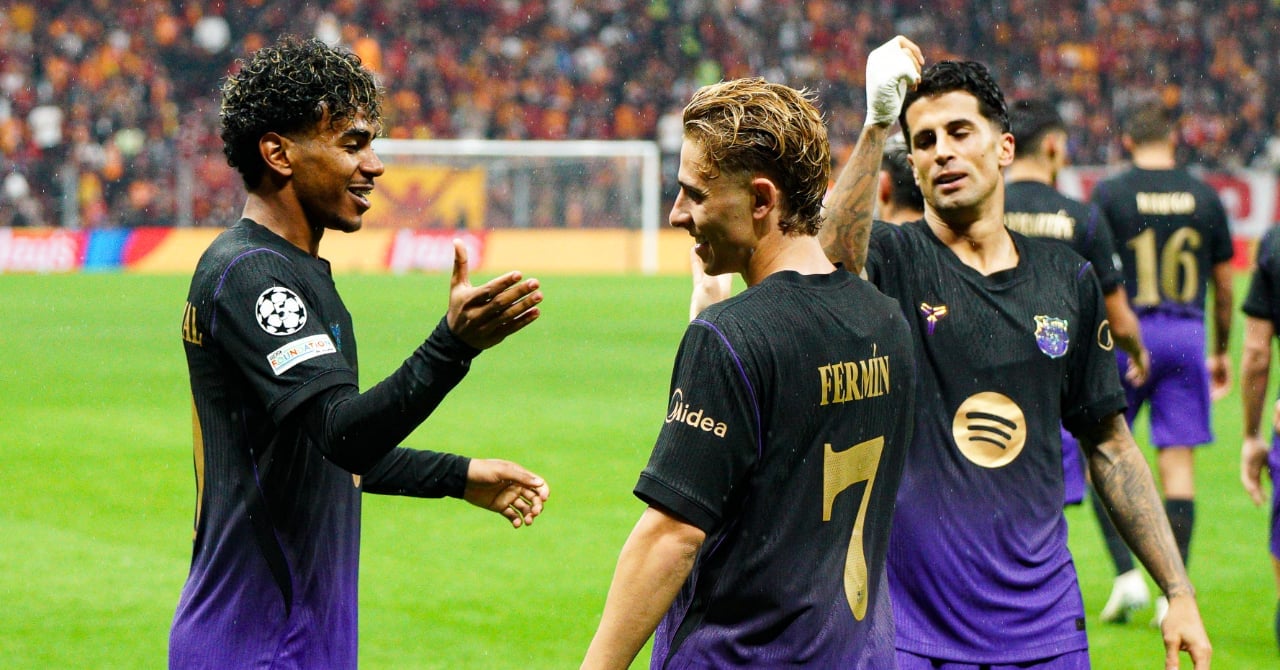
Inter stunned at home by Bruges, Bayern held by Viking, Barcelona soars to top
-
 Football ·
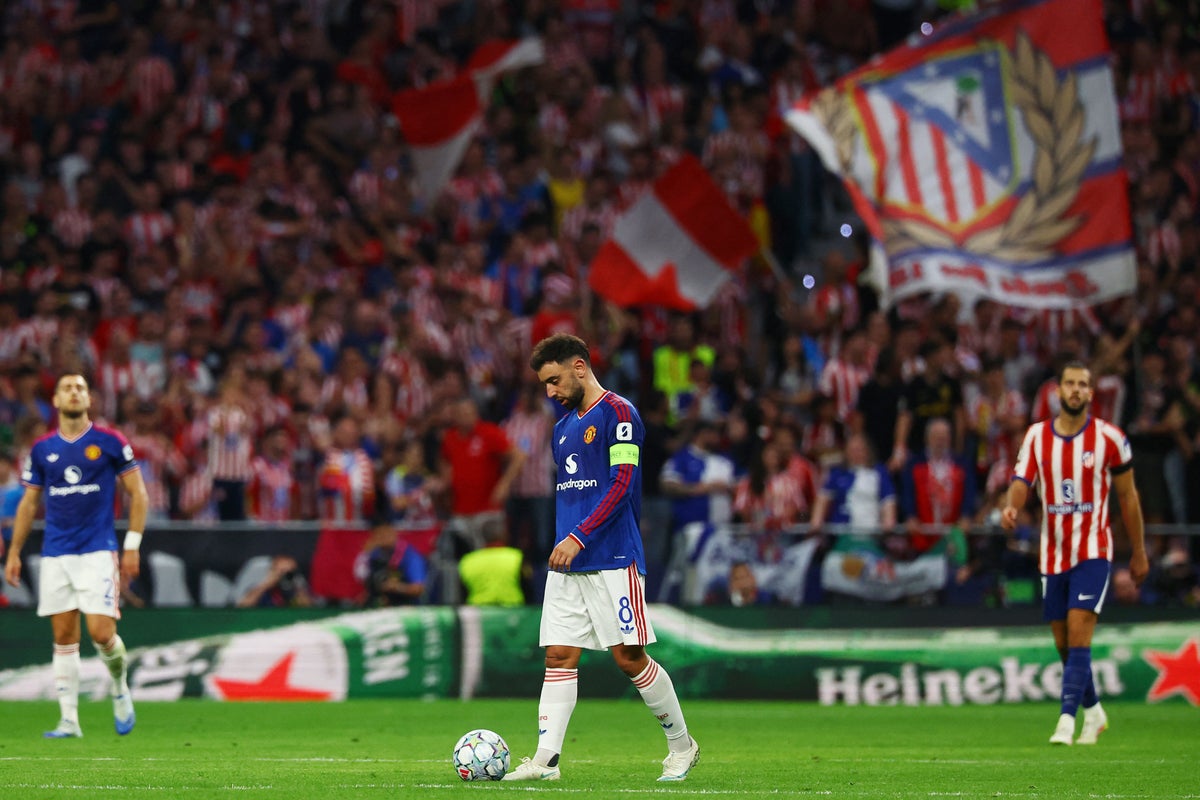
Yoro red card and 47-second goal condemn 10-man United to defeat at Atletico
-
 Football ·
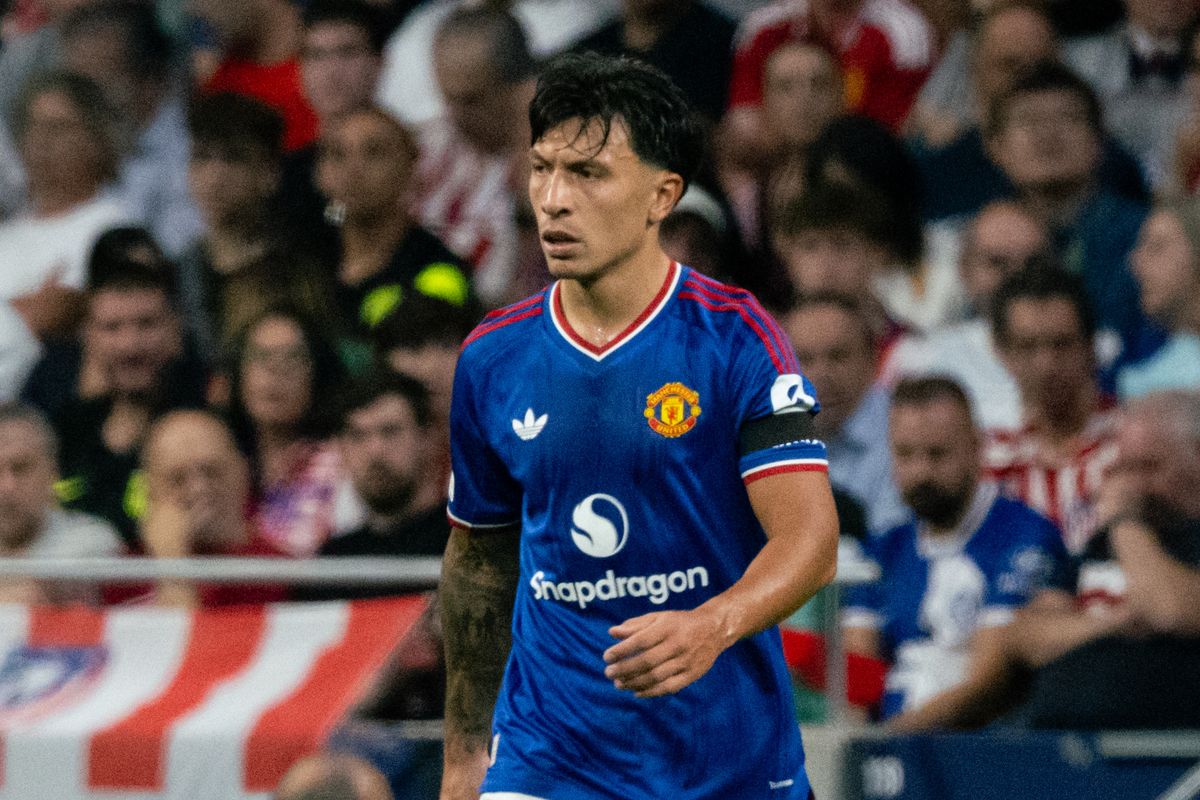
Martinez publicly blames United technical director after Champions League exit to Atletico