UN climate chief warns World Cup 2026 players face heat stroke risk at 26 hazardous matches
UN Climate Change warns that extreme heat conditions have doubled since the 1994 US World Cup, with 26 of 104 matches expected to be played in hazardous heat and five potentially at postponement-level temperatures across host cities including Miami, Kansas City and Philadelphia.
2 min read
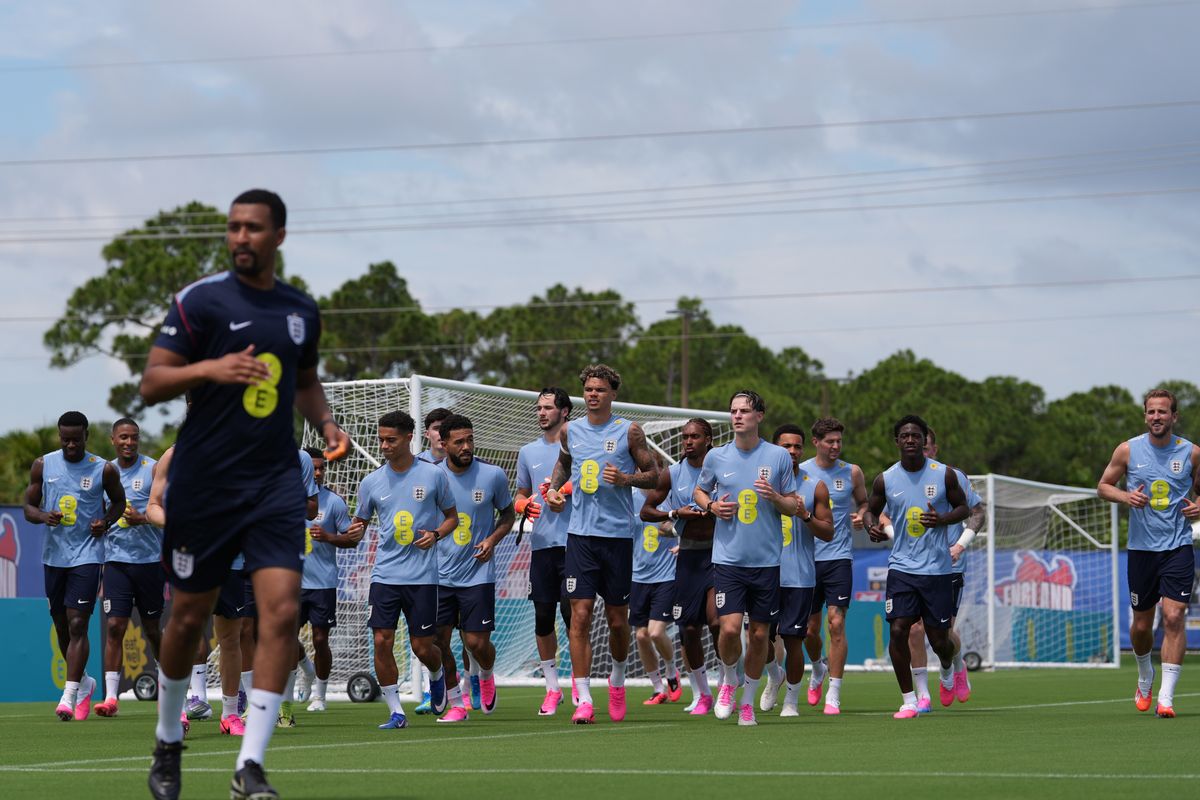
UN Climate Change has issued a stark warning that players and fans at the 2026 FIFA World Cup face serious health risks from extreme heat, with experts projecting that 26 of the tournament’s 104 matches will be played in hazardous conditions and five could reach temperatures severe enough to warrant postponement.
The warning, backed by Simon Stiell, Executive Secretary of UN Climate Change, points to a doubling of extreme heat conditions in the United States since the country last hosted the World Cup in 1994. Miami, Kansas City and Philadelphia are identified as the cities most exposed to dangerous temperatures and humidity, though Stiell also flagged that semi-finals and the final — scheduled for MetLife Stadium in New Jersey — are not immune.
“We’re all watching the game, but it’s stopped — because it’s too hot,” Stiell said. “Hot for players, for fans, for everyone. It’s hot and getting hotter. That’s not random. That’s climate change.”
The practical consequences for the tournament itself could be significant. Experts warn that matches will be played at a slower pace as extreme heat limits player performance, and that teams will need to rotate substitutes more frequently to manage exhaustion. England’s squad is among those specifically cautioned about the dangers posed by the combination of high temperatures and humidity across the three host nations — the United States, Canada and Mexico.
Stiell framed the issue as one that extends well beyond sport. “It’s not just the things we love, like football and the many other sports under serious pressure from global heating. It’s also the things we need — like food, as global heating hits harvests and pushes up prices for everyone,” he said, calling on football’s global fanbase to speak out on climate action.
USA midfielder Malik Tillman echoed the concern from a player’s perspective. “I know wildfires become more frequent and this is because of climate change,” he said. “We as human beings have to adapt certain things to make sure that future generations get to enjoy those memories as well.”
The warnings arrive as FIFA and host nation organisers continue planning for a tournament that kicks off in the summer of 2026, when temperatures across several US venues are historically at their peak. Whether scheduling adjustments — such as moving kick-off times to cooler parts of the day — will be sufficient to mitigate the risks outlined by UN Climate Change remains an open question.
Read also
-
 Football ·
Gerrard backs Jacquet to succeed Van Dijk as Salah hits 10 goal contributions in seven Trabzonspor games
-
 Football ·
Deschamps linked with Turkey job, but Nagelsmann also in the running
-
 Football ·
Zidane reunites with Jacquet at Stade de France after thrashing Belgium
-
 Football ·
Bayern Munich leave 16-year-old JJ Gabriel in transfer limbo as United refuse to release him
-
 Football ·
Maresca hails 3-0 Anfield win as City show unity amid Premier League charges
-
 Football ·
Arsenal bid for Liverpool target Mora as Rice, Odegaard and Timber near contract extensions

 Andorra W