Tunisia sack Lamouchi after 5-1 Sweden humiliation in World Cup opener
Tunisia have dismissed head coach Sabri Lamouchi after just one game of the 2026 World Cup, following a 5-1 Group F defeat to Sweden. Lamouchi becomes the first manager to be sacked while the tournament is still in progress.
1 min read
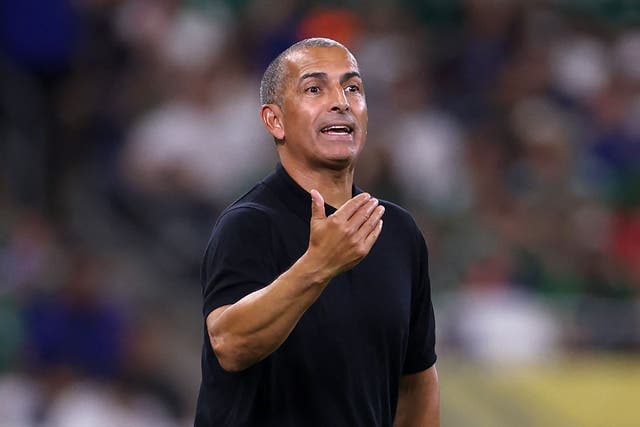
Tunisia fired head coach Sabri Lamouchi on Monday after a 5-1 Group F defeat to Sweden in their 2026 World Cup opener, making him the first manager to be officially dismissed while the tournament is still underway. The result, one of the most lopsided in Tunisia’s World Cup history, prompted the Tunisian football federation to act immediately rather than wait out the group stage.
The Carthage Eagles were overrun from the first whistle in Sunday’s fixture, with the Swedish attack repeatedly cutting through a disorganised defence. Yasin Ayari, whose father is Tunisian, was among the scorers, adding a painful narrative dimension to an already damaging afternoon for the North African side.
Beyond the scoreline, reports indicate that significant dressing room tension had been building behind the scenes during Lamouchi’s brief tenure. The French manager took charge for just five matches in total, and the combination of a fractured relationship between coaching staff and players and the pressure of the world stage made his position untenable.
With Tunisia needing to regroup quickly, former national team manager Mondher Kebaier is the frontrunner to take over on an interim basis ahead of the side’s second group fixture against Japan on 20 June. Former Sunderland forward and Tunisia international Wahbi Khazri has also been reported as a candidate for the role.
Tunisia’s situation is precarious. Even a positive result against Japan would likely leave them needing something from their final group game against the Netherlands to advance. The federation’s decision to change coaches mid-tournament reflects the depth of their concern that the current trajectory offered no viable path forward.
Read also
-
 Football ·
United offer JJ Gabriel scholarship to block cut-price exit as Carrick addresses City verdict
-
 Football ·
Tchouameni admits playing injured at World Cup, Deschamps faces serious accusations
-
 Football ·
Rejected by Chelsea at 14, Michael Olise Returns to Sign with the Blues
-
 Football ·
CAF considers returning Africa Cup of Nations to biennial format, reversing earlier decision
-
 Football ·
United eye Branthwaite and Van de Ven as Conte signals interest in Old Trafford role
-
 Football ·
Carragher warns Iraola faces title pressure if City are relegated over financial breaches