SE Dons and Tadley Calleva reach FA Cup fourth qualifying round for first time after stunning upsets
Ninth-tier sides SE Dons and Tadley Calleva have both reached the FA Cup fourth qualifying round for the first time in their histories. SE Dons thrashed Weymouth 5-1, while Tadley came from behind to beat Dartford 2-1 in the third qualifying round.
1 min read
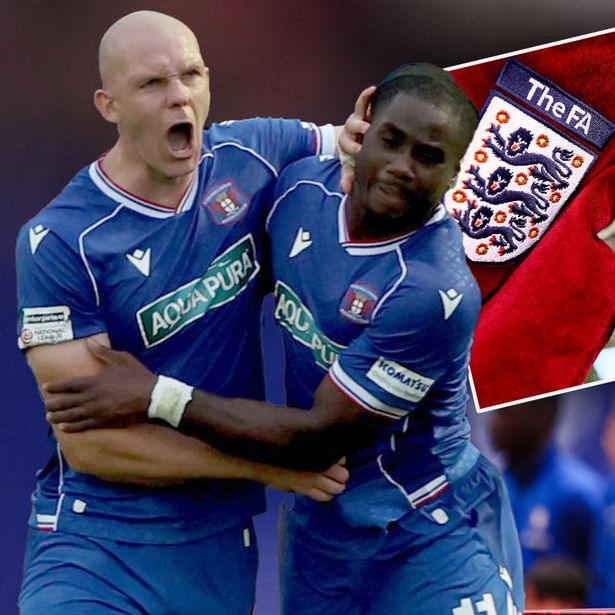
SE Dons and Tadley Calleva have made history by reaching the FA Cup fourth qualifying round for the first time, joining established non-League names such as Carlisle United, Scunthorpe United, Yeovil Town, Southend United and Hartlepool United in the draw.
SE Dons, who are making their debut in the competition this season, produced the more emphatic result, thrashing Weymouth 5-1 in the third qualifying round. Tadley Calleva’s path was harder — they came from behind to edge out Dartford 2-1 and book their own piece of club history.
The fourth qualifying round represents the final hurdle before EFL clubs enter the competition, meaning every side still standing is just one win away from the FA Cup first round proper. The ties are scheduled to be played on Saturday, 17 October.
The draw is regionalised, with National League sides entering at this stage and the prospect of lucrative ties against Football League opposition waiting for whoever advances.
For context, the full FA Cup calendar from this point runs as follows: the First Round Proper on 7 November, the Second Round Proper on 5 December, the Third Round Proper on 9 January 2027, the Fourth Round Proper on 13 February, the Fifth Round Proper on 6 March, the quarter-finals on 3 April, the semi-finals on 24 April, and the final on 22 May 2027.
Read also
-
 Football ·
Arsenal sweat over four injury doubts ahead of Leeds clash after Konsa setback
-
 Football ·
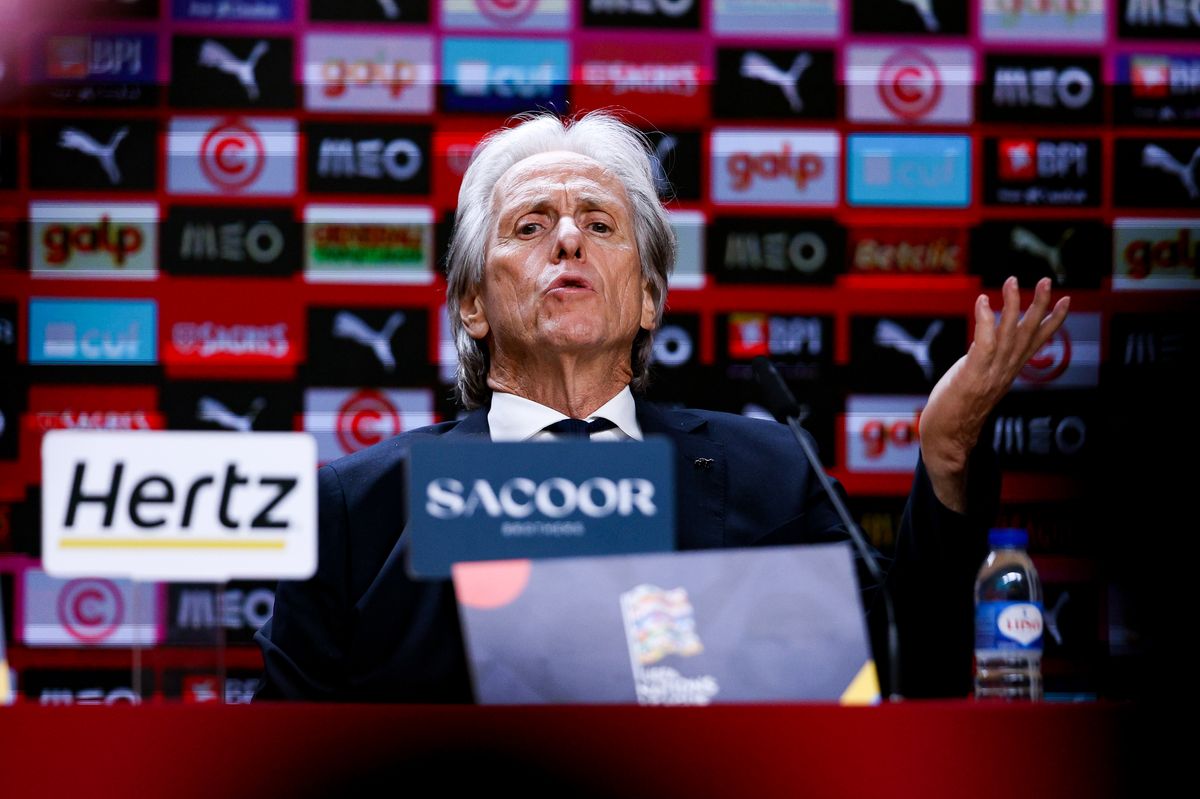
Jesus refuses to apologise as Ronaldo handed conditional Portugal recall offer
-
 Football ·
Ronaldo walks out on Portugal at 41 with his international future unresolved
-
 Football ·
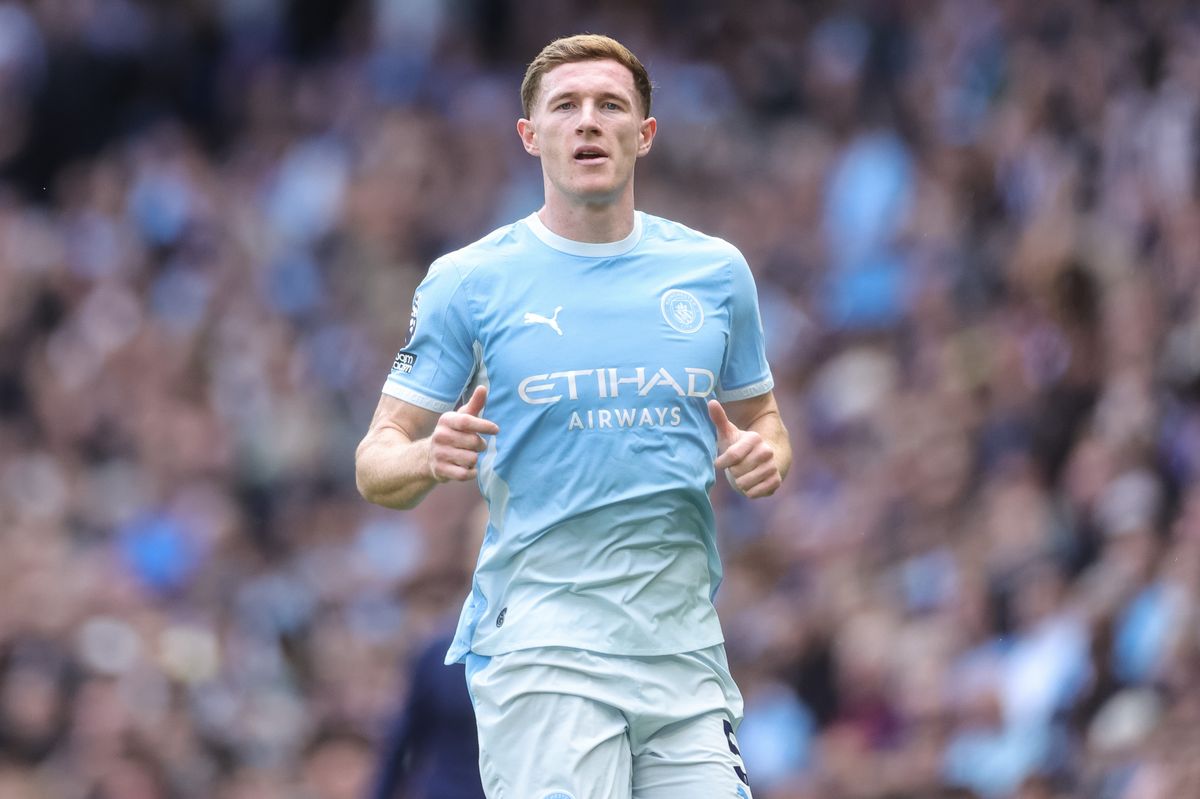
Sheringham urges Man United to swoop for Elliot Anderson if Man City face relegation
-
 Football ·
Israeli government compares Ireland to Nazi Germany after Nations League spitting row
-
 Football ·
Tchouaméni moves his talk show The Bridge to Disney+ after rights sale
 Uganda