Robertson targets World Cup success as Scotland end 28-year absence from the tournament
Andy Robertson has spoken about Scotland's ambitions at the 2026 World Cup in North America, their first appearance at the tournament since France 98. The Liverpool captain says the squad's recent experience at two European Championships will help them compete rather than simply make up the numbers.
2 min read
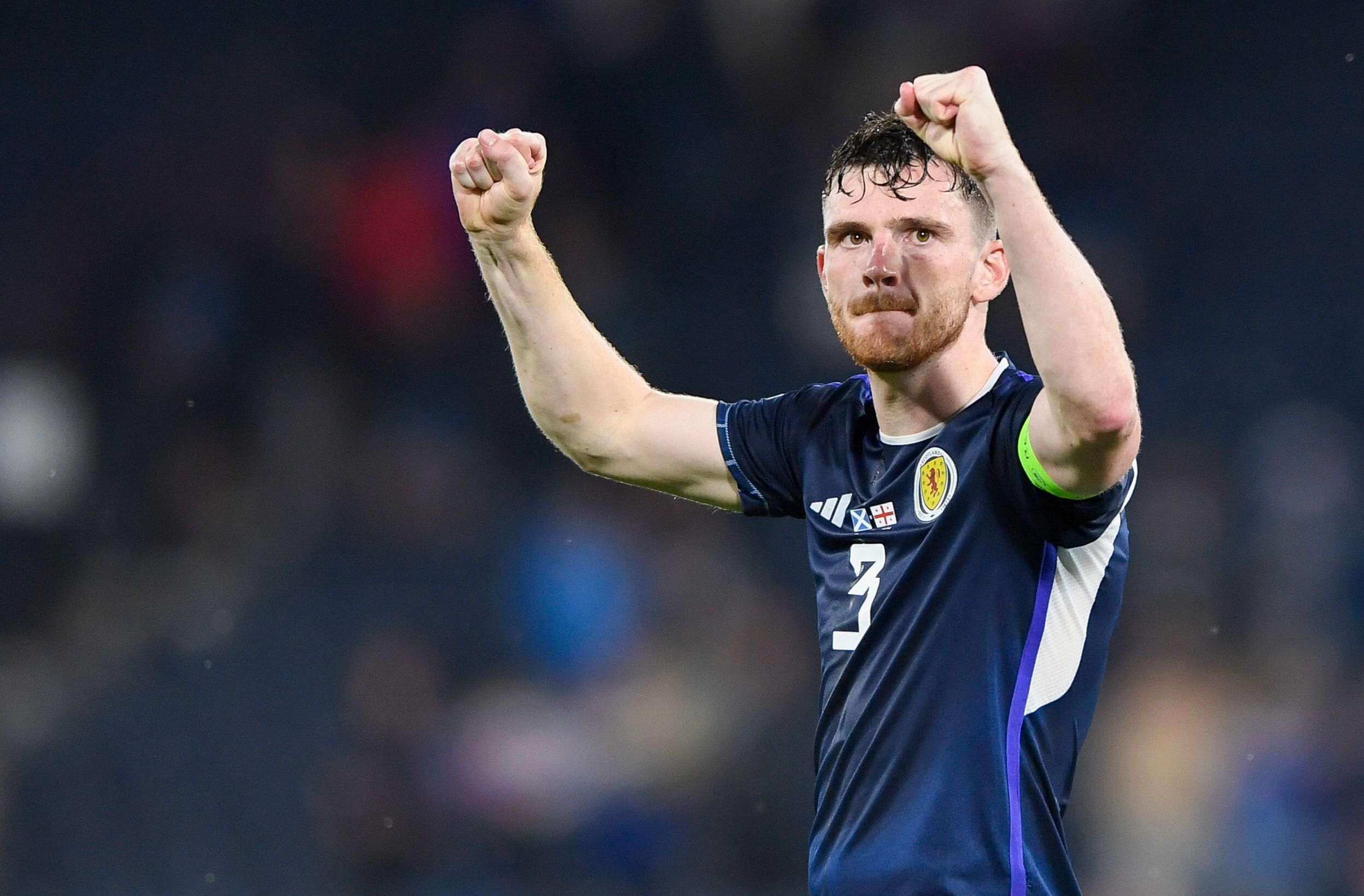
Andy Robertson has set his sights firmly on success at the 2026 World Cup, insisting Scotland’s goal in North America this summer is not merely to participate but to make a genuine impact at the tournament for the first time since France 98.
Scotland’s qualification — sealed by a dramatic victory over Denmark — ends a 28-year absence from the World Cup, a gap long enough to span an entire generation of players and supporters. Robertson, who has won league titles and European trophies with Liverpool, describes reaching the tournament as the defining ambition of his international career.
“That was always the aim,” Robertson told FourFourTwo. “Qualifying for tournaments was one thing, but to help take your country to a World Cup was always the biggest driving factor. It’s the biggest stage — it’s the pinnacle — and the tournament that everyone in the world wants to be involved in.”
The Scotland captain acknowledged that time was working against him given the four-year cycle of the competition. “I’m not as young as I once was, time was probably a little bit against me,” he said. “So I knew this could potentially be my last chance and I didn’t want to give that up. It’s a relief of course, but something I’m very proud of. We all are.”
Scotland’s return to major tournament football began at Euro 2020, their first such appearance since France 98, and they followed that with a place at Euro 2024, albeit with a disappointing group-stage exit. Robertson believes those experiences, however mixed, have prepared the squad for the demands of tournament football in a way that cannot be replicated at club level.
“Tournament football is unique,” he said. “It’s completely different to anything else you’ll play within the game. The more you experience that, the more you’re going to learn from it. With the two Euros, there were certain games we were happy with and certain games that we weren’t.”
He also pointed to the mental resilience the group has developed, arguing that how a team responds to setbacks is as important as the performances themselves. “After the Euros there was disappointment, but we then came back and qualified for a World Cup. It shows a good part of your team journey is disappointment and how you react to it.”
On the broader question of legacy, Robertson was careful to keep the focus on results rather than symbolism. “It’s not about creating history,” he said. “It’s about wanting to be successful in this tournament — we’ll create a bit of history along the way if we can make that happen.”
Read also
-
 Football ·
Larsonneur knee injury sidelines ASSE's goalkeeper for several months
-
 Football ·
Ronaldo's Return to Portugal 'More No Than Yes', Says Sister Elma Aveiro
-
 Football ·
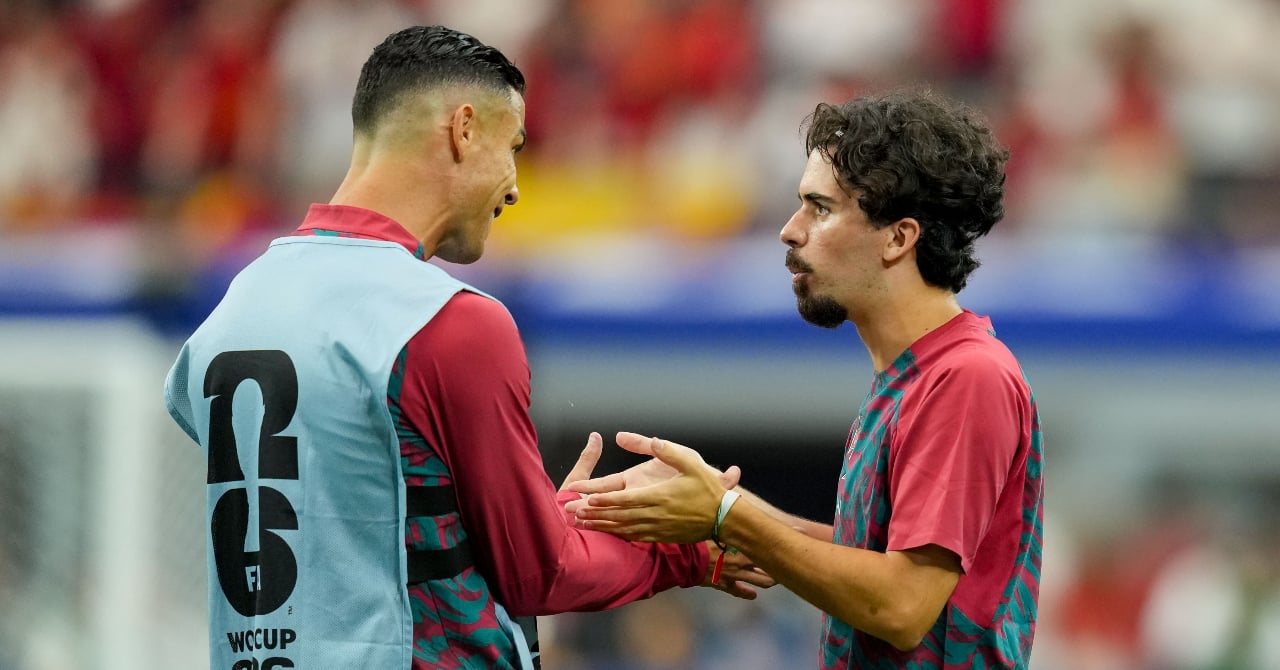
Vitinha hopes for Ronaldo's return to Portugal after dramatic exit
-
 Football ·
Eze loses FIFA bet to IShowSpeed and must now perform Ronaldo-inspired celebration
-
 Football ·
Alex Scott quits Disney+ after criticising Women's Champions League coverage decisions
-
 Football ·
Herrera urges critics to respect Fernandes for carrying Man Utd through years of struggle