Referee Unkel says Konsa's late challenge on Ghana was a clear penalty that England escaped
Experienced referee Christina Unkel has stated that Ezri Konsa's challenge on Prince Kwabena Adu in England's 0-0 draw with Ghana should have been a penalty, attributing the non-call to a World Cup 2026 officiating directive that raises the threshold for VAR intervention.
1 min read
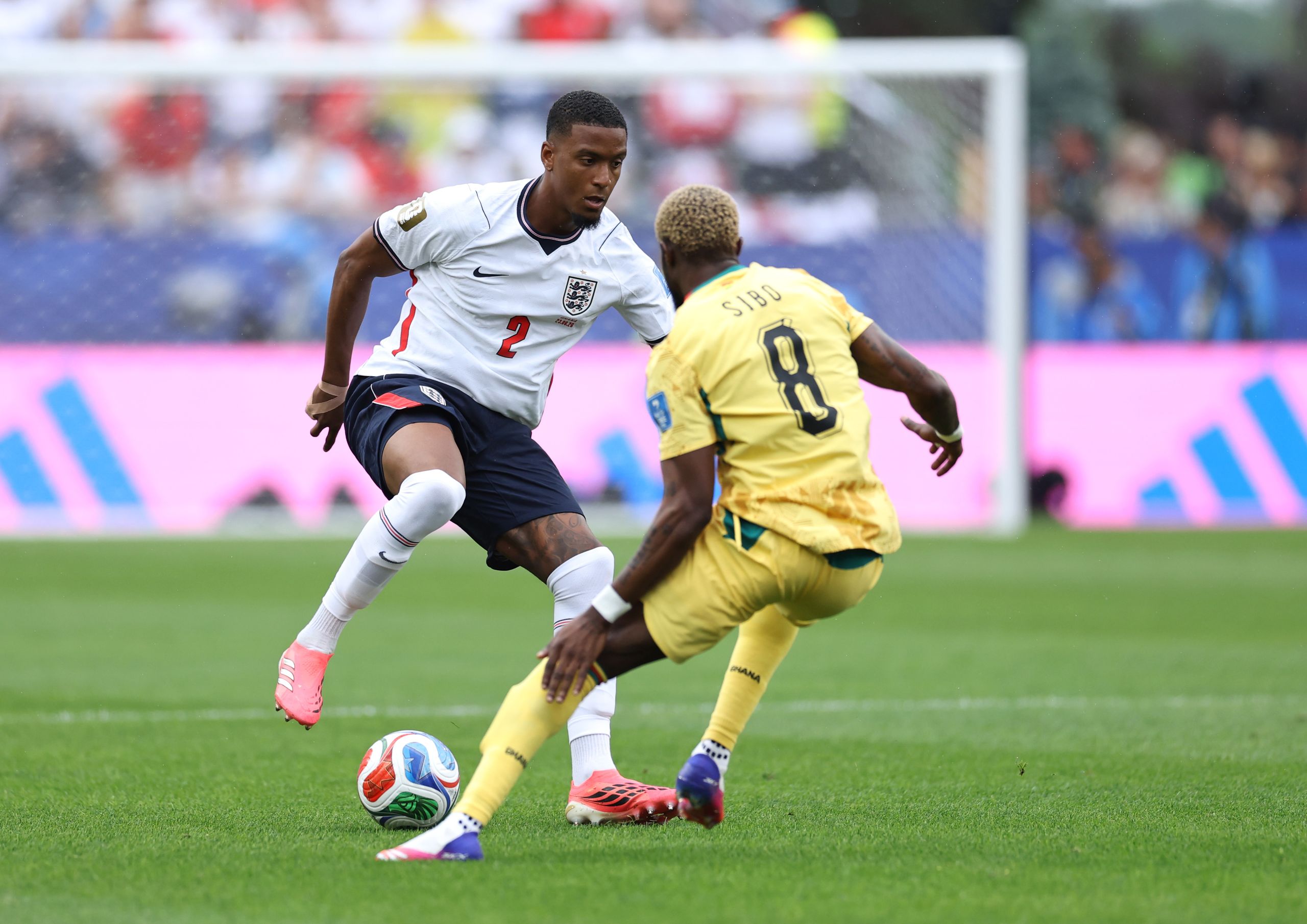
England escaped what referee Christina Unkel called a clear penalty during their 0-0 draw with Ghana on 23 June, after Ezri Konsa’s late challenge on Prince Kwabena Adu went unpunished — a decision Unkel linked to a broader officiating directive shaping the 2026 World Cup.
Speaking on CBS Sports Golazo, Unkel explained that referees have been given guidance to avoid awarding penalties unless there is virtually no room for doubt. “The threshold for VAR is: ‘Do not give them unless it is so significant, and so clear, that everyone would think you’re crazy,’” she said. “It feels like the direction is, it’s got to be 110% before you send it down here.”
Unkel was direct about her own reading of the Konsa incident. “I would have rather seen a penalty here,” she said, adding that the challenge fit a pattern of consistent contact not being called across the tournament. She acknowledged, however, why VAR did not intervene given the current directive.
The sequence itself was chaotic. As Adu drove toward goal in the closing stages, Konsa’s challenge sent him to ground. The ball broke to a teammate, only for Antoine Semenyo to block the follow-up shot on England’s goal-line — sparing England what would have been a dramatic late defeat.
Unkel also referenced a separate incident involving France and Senegal as another example of the same pattern, suggesting the leniency is not isolated to England’s matches. “There’s a bunch of consistent contacts not being given,” she said.
The comments add credibility to growing scrutiny over officiating standards at the tournament, with Unkel’s analysis suggesting the directive — however well-intentioned in reducing controversy — may be allowing genuine fouls to go uncalled at critical moments.
Read also
-
 Football ·
Declan Rice set to match Saka's £350k-a-week wages in Arsenal contract breakthrough
-
 Football ·
Guardiola returns to Etihad to watch PSG clash as City's £900m verdict fallout deepens
-
 Football ·
Ronaldo pays tribute to Messi after final Argentina match: "All my respect"
-
 Football ·
Staveley urges Premier League and Man City to find resolution after guilty verdict
-
 Football ·
Guardiola returns to Etihad to show solidarity after Man City's 115 guilty verdicts
-
 Football ·
Jorge Jesus responds to Cristiano Ronaldo with a single sentence that strikes home in Portugal