North American transit operators face defining test as 2026 World Cup approaches
With 104 matches across 16 cities in the US, Mexico and Canada, rail and bus operators are scrambling to meet unprecedented demand — and prove that North American public transit can handle soccer's biggest stage.
2 min read
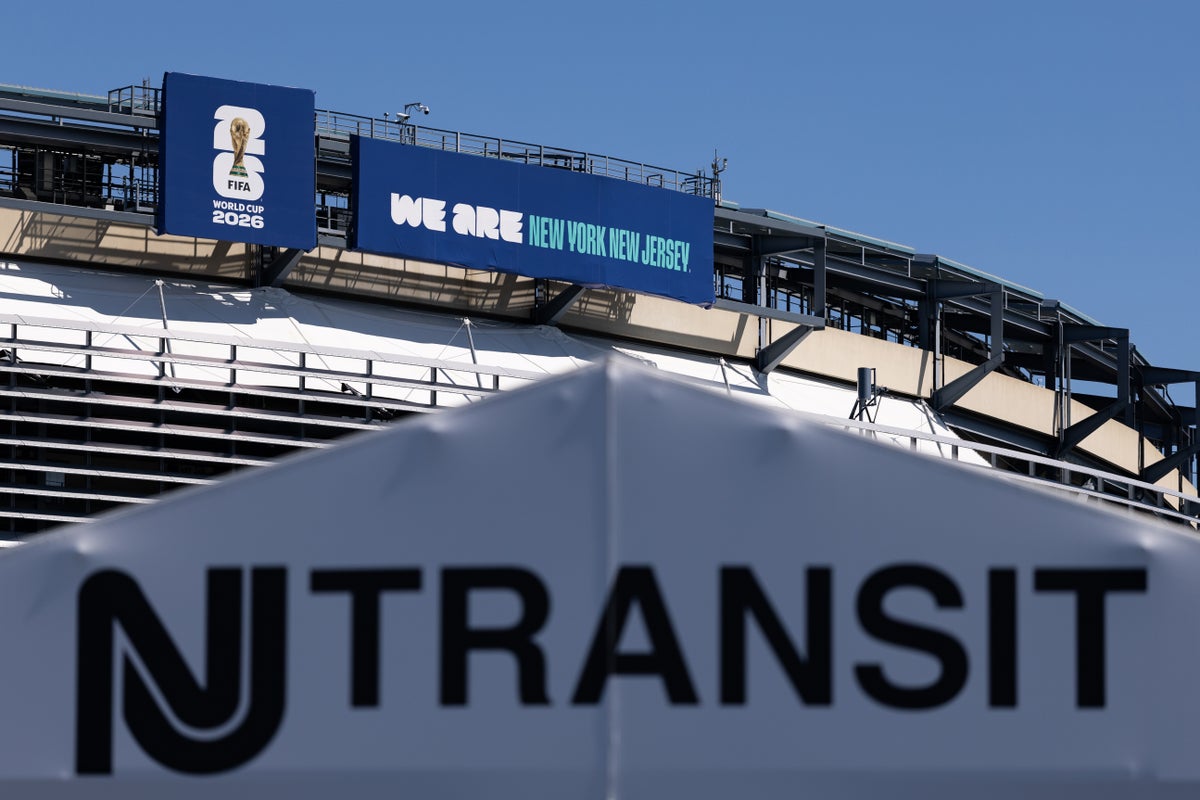
Rail and bus operators across North America are bracing for the logistical challenge of the 2026 FIFA World Cup, now less than two weeks away, as 104 matches spread across 16 cities in the United States, Mexico and Canada put ground transportation networks under intense scrutiny.
For many transit authorities, the tournament represents a rare audition in front of a global audience. Rising airfares, soaring gasoline prices and lengthy airport security queues are expected to push more fans toward public transport — a mode of travel that many North Americans rarely use in daily life.
“We want you to be able to use our system seamlessly from the minute you decide to come to the World Cup, all the way into the games, and after that to get home,” said Conan Cheung, chief operations officer for LA Metro, the public transportation authority serving the Los Angeles region. The city will host eight matches, including the United States’ opening game, and Cheung said the event also offers a chance to persuade local residents to make greater use of the expanding network.
Yonah Freemark, a principal research associate at the Washington-based Urban Institute, framed the stakes plainly. “Transit providers have an opportunity to provide service to a group of people who do not typically use transit on a day-to-day basis,” he said. “Many of the World Cup fans coming from the US or Canada do not necessarily use transit services regularly.”
Freemark stressed that the quality and cost of that experience will matter beyond the tournament itself. “They should be making sure that the services they provide are high quality and not too expensive, because the people who are riding them are going to form an impression of those transit agencies — and there’s a chance to really prove that they can provide a good service.”
Operators are navigating a difficult balancing act, however. Limited capacity on existing networks means some fans may struggle to find space on match days, while rising fuel costs could force companies to pass higher prices on to passengers. There is also the risk of disrupting the everyday commuters who depend on these services long after the tournament ends.
FlixBus, which operates alongside its sister brand Greyhound across one of North America’s largest bus networks, reports strong early demand for travel between host cities, with some departures already sold out and others filling quickly.
The 2026 World Cup will be the largest in the tournament’s history by number of matches and host cities, making the ground transportation challenge unprecedented in scale for the continent.
Read also
-
 Football ·
Luis Enrique Begins Fourth Season at PSG and Declares His Love for the Club
-
 Football ·
Arsenal mourn life president Ken Friar, who served the club for 70 years, at 92
-
 Football ·
Rooney warns Bruno Fernandes is close to 'explosion' amid Man United's poor run
-
 Football ·
City enlist UK's highest-paid barrister as Premier League urged to impose two sanctions
-
 Football ·
Netflix secures exclusive rights to 2030 World Cup in Spain
-
 Football ·
Bothroyd savages Man Utd's decline: 'They sign Chelsea bench players now'

 Germany W