Manchester derby moved to Sunday 13 September as United's opening fixtures reshaped
Manchester United will host Manchester City on Sunday, 13 September at 4.30pm after the first Manchester derby of the 2026/27 season was shifted from its provisional Saturday slot. All four of United's matchweeks 2–5 fixtures have also been rescheduled.
1 min read
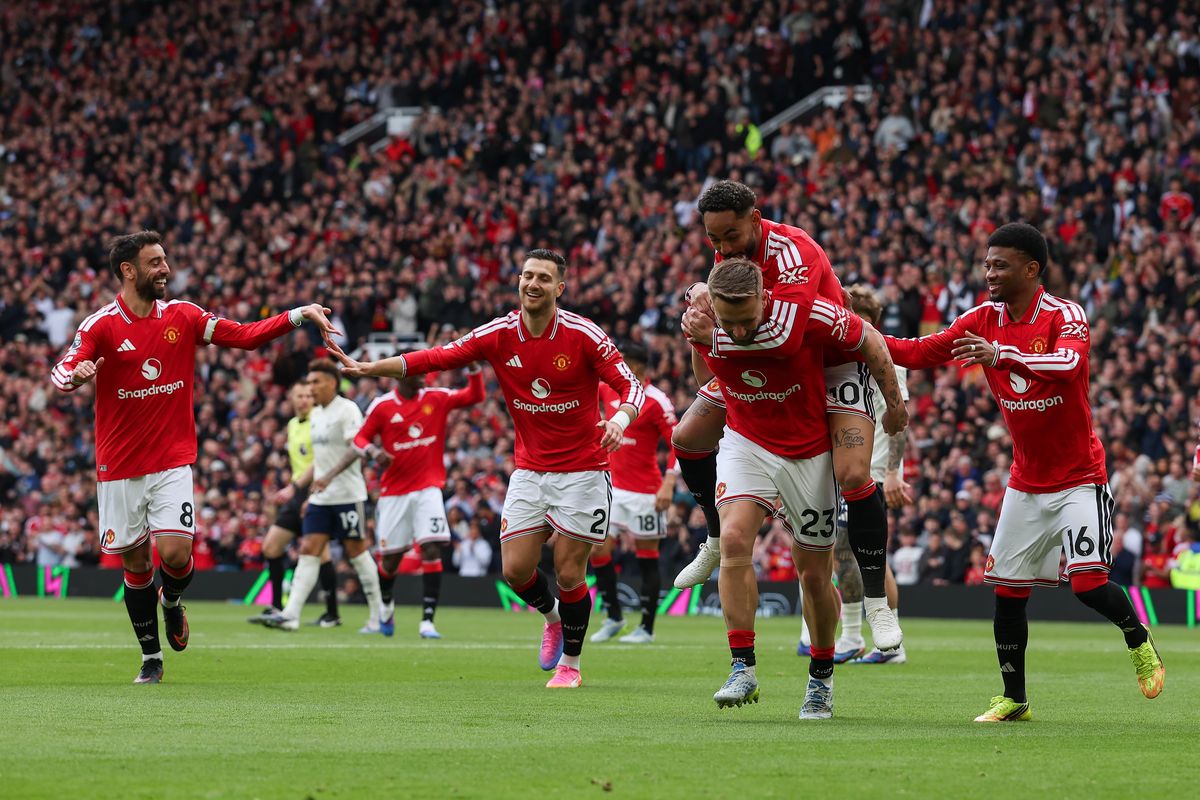
Manchester United’s opening run of Premier League fixtures for the 2026/27 season has been reshaped following the broadcaster selections for matchweeks 2–5, with the first Manchester derby now confirmed for Sunday, 13 September at 4.30pm at Old Trafford.
The clash with City had been provisionally pencilled in for Saturday, 12 September at 3pm when the full fixture list was released roughly three weeks ago. The one-day shift and later kick-off time is a routine consequence of the game being selected for live television coverage.
Every United fixture across matchweeks two to five has been moved as part of the same round of picks. The Ipswich Town home game, originally set for matchweek two, will now be played on Sunday, 30 August at 4.30pm, while the trip to Everton’s Hill Dickinson Stadium has been brought forward to Sunday, 6 September at 2pm. United’s matchweek five visit to Fulham will round off that opening stretch on Sunday, 20 September at 4.30pm.
The only fixture in United’s first five that remains unchanged is the season opener — a trip to newly-promoted Hull City on Saturday, 22 August, with a 12.30pm kick-off.
United’s first five fixtures (2026/27)
Hull City (away) — Saturday, 22 August, 12.30pm
Ipswich Town (home) — Sunday, 30 August, 4.30pm
Everton (away) — Sunday, 6 September, 2pm
Manchester City (home) — Sunday, 13 September, 4.30pm
Fulham (away) — Sunday, 20 September, 4.30pm
Read also
-
 Football ·
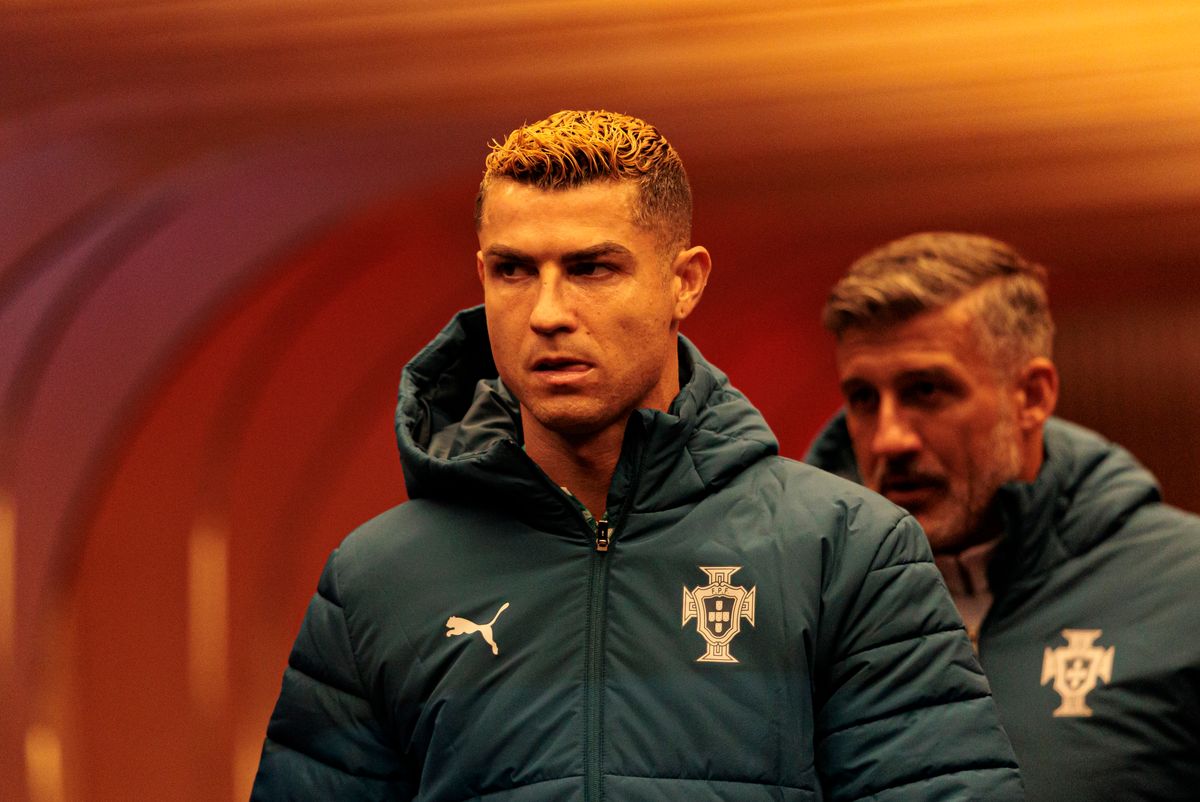
Ronaldo's sister declares Portugal 'don't deserve' him as his international future hangs in doubt
-
 Football ·
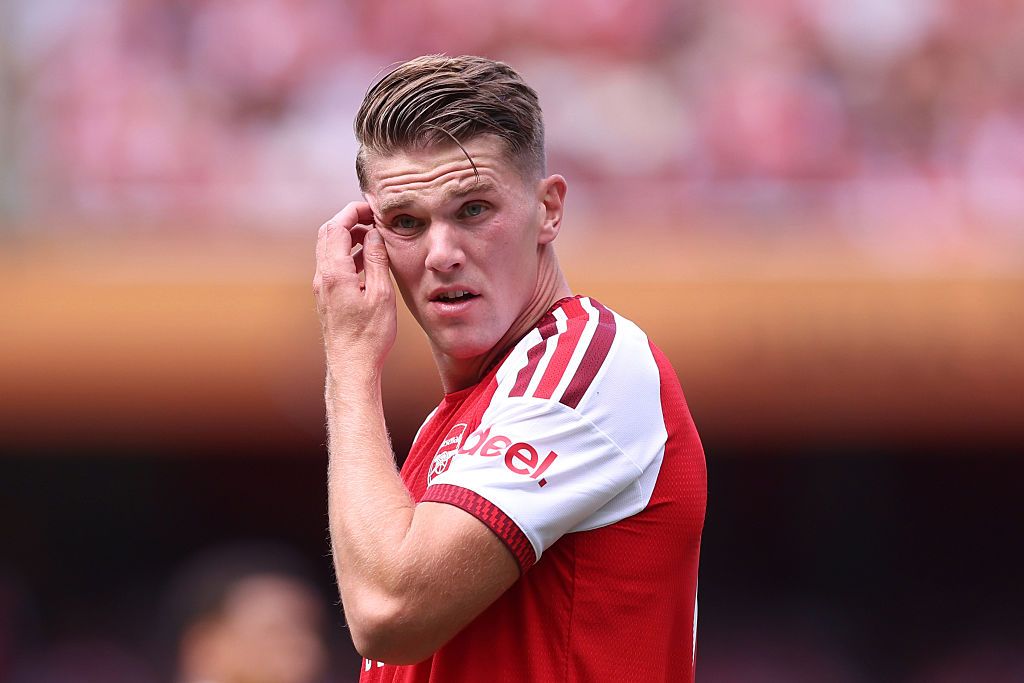
Gyokeres refuses to rule out Arsenal exit as Arteta benches him in Premier League
-
 Football ·
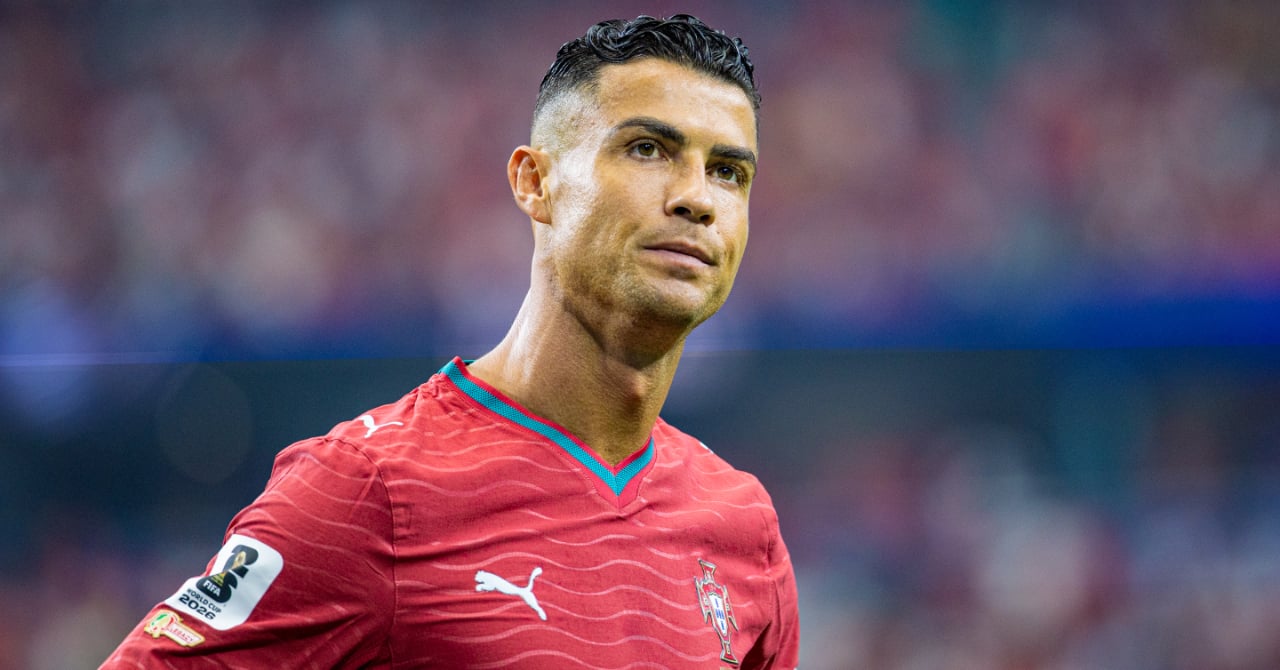
Ronaldo's sister blasts Portuguese federation after his dramatic exit from national team
-
 Football ·
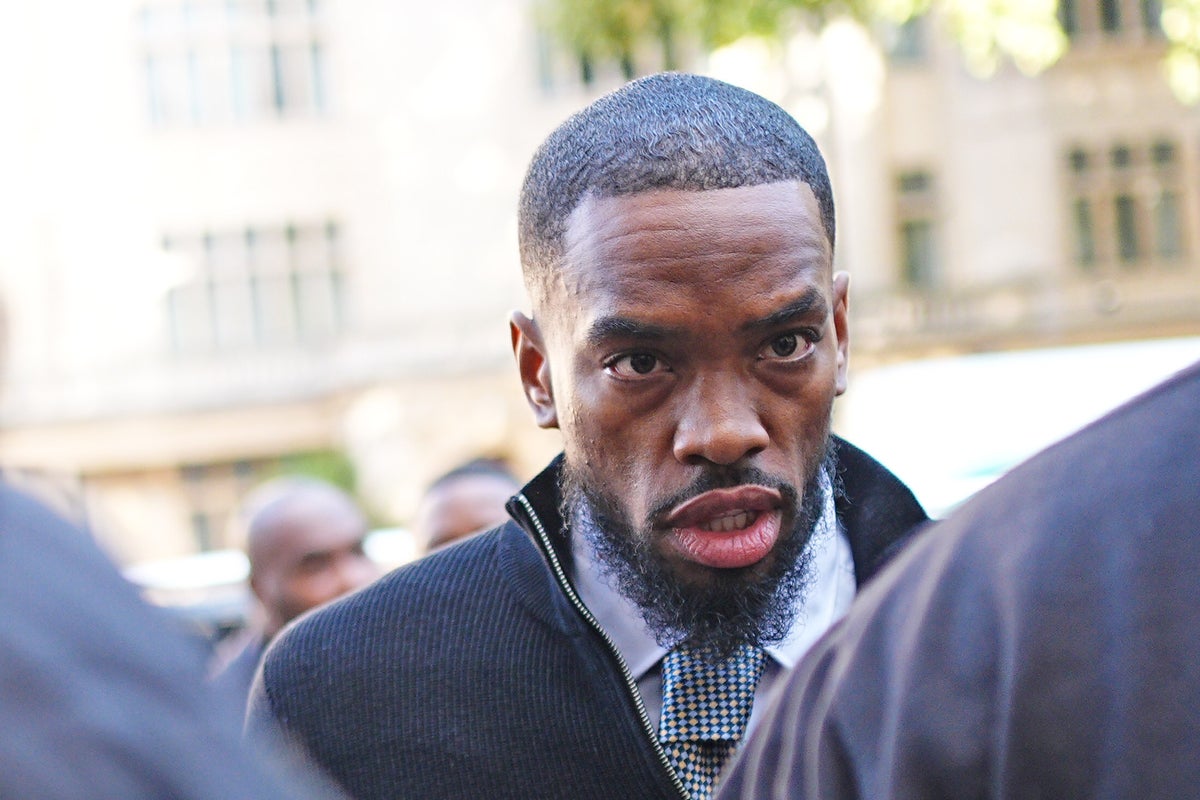
Ivan Toney appears at Westminster court over alleged Soho nightclub assault
-
 Football ·
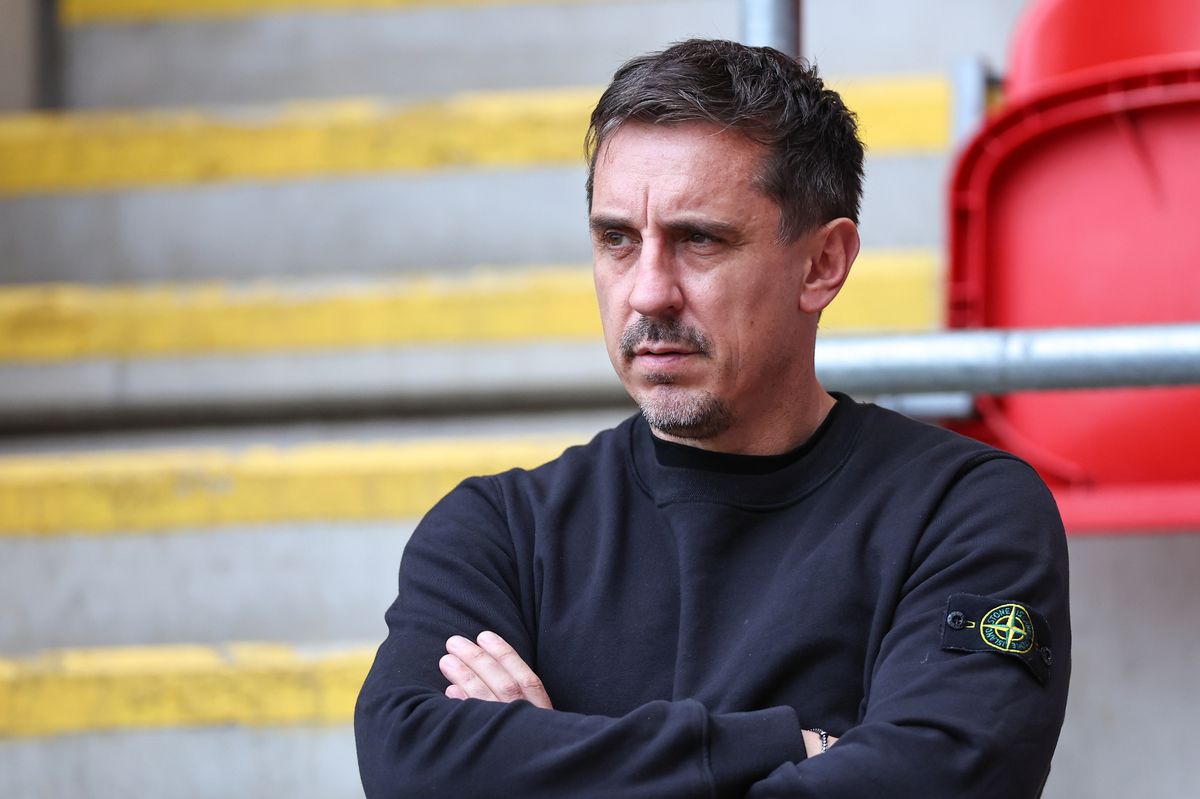
Neville calls for Man City owners to be removed after guilty verdict on financial charges
-
 Football ·
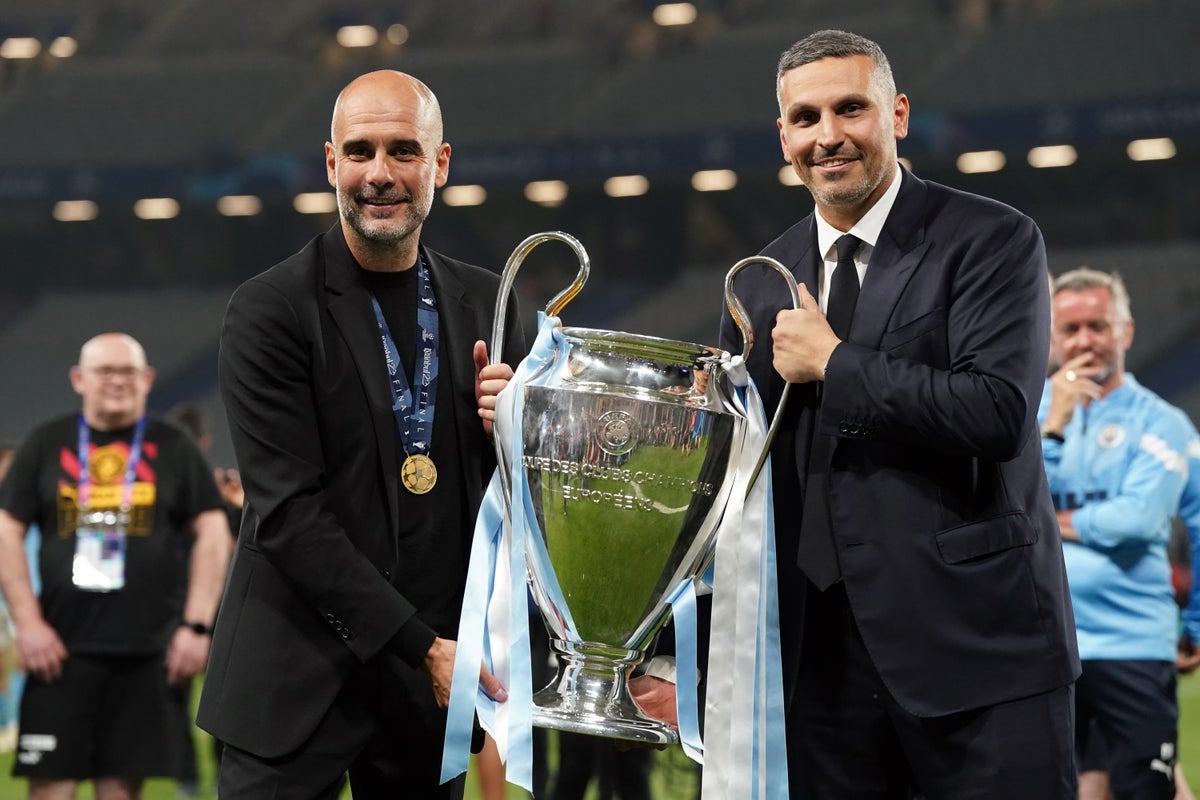
Man City chairman Khaldoon Al Mubarak holds diplomatic immunity amid Premier League verdict fallout
 Poland U19