Konate opens up on depression after losing Jota and his father within months
Ibrahima Konate has spoken candidly about battling depression following the deaths of Liverpool teammate Diogo Jota and his father Hamady, describing a year of profound grief that visibly affected his form and left him unsure whether to continue playing.
2 min read
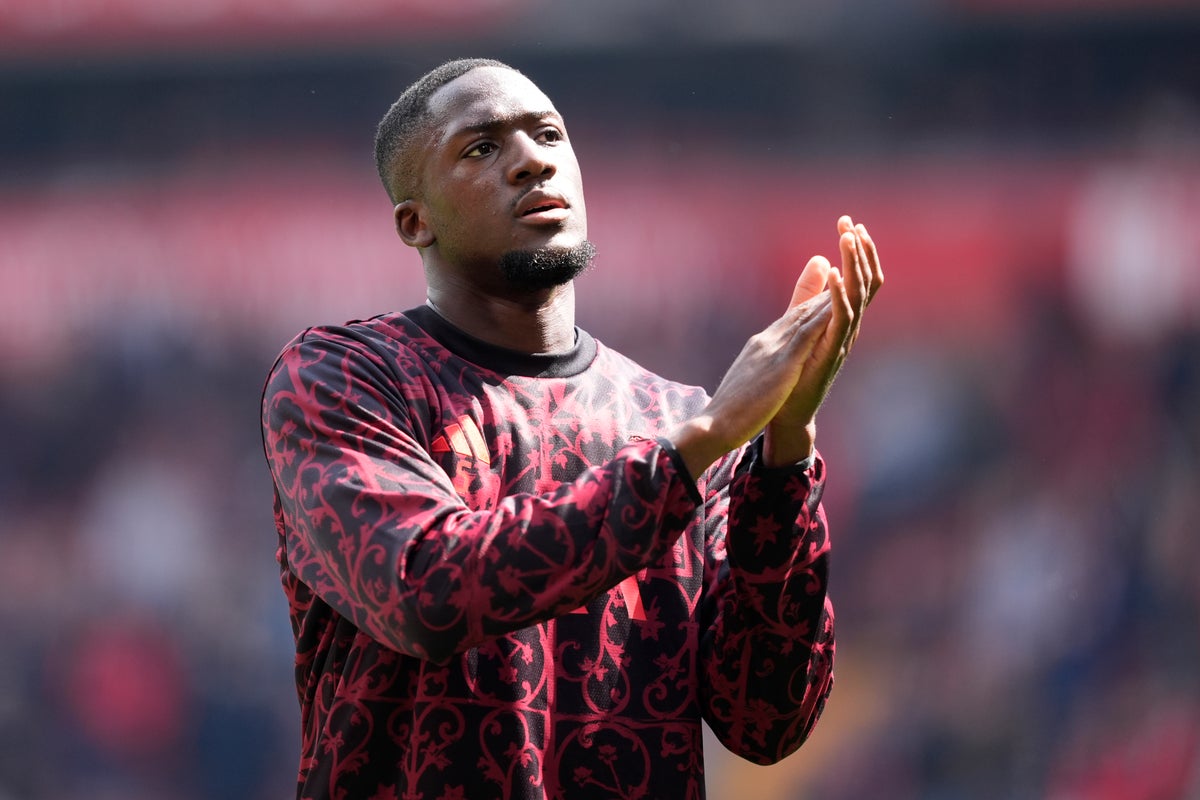
Ibrahima Konate has revealed he suffered from depression in the months following the deaths of Liverpool teammate Diogo Jota and his father Hamady, describing the dual losses as the most devastating period of his life.
The France international, whose Liverpool contract expires at the end of this month, spoke with striking candour about the mental health toll of a year that saw him lose Jota — his teammate and neighbour — in a car crash alongside Jota’s brother André Silva, just before pre-season training began. Months later, his father died after a prolonged illness.
“There are low points, there’s depression,” Konate said. “You can suffer from depression in football too; there’s no need to be ashamed to say so.”
He pushed back directly against the notion that a footballer’s salary insulates them from mental suffering. “It’s true that I’ve often heard players say they were suffering from depression and that fans or people on the outside didn’t understand because they were earning a lot of money. But no, that’s rubbish and you shouldn’t say that.”
Konate described depression in visceral terms, explaining how it consumed him physically as well as emotionally. “Depression is personal; it’s deep inside you. When you’re depressed, it starts in the heart, goes up to the brain and takes over your whole body. For me, that’s what’s hard, and we need to talk about it.”
The crash that killed Jota hit him immediately and completely. “It devastated me. I didn’t have any interest in anything else at that point,” he admitted. Yet professional obligations meant a rapid return to action. “You go back to football because you have no choice. We’re employees at a club that pays us every month, so we have duties. We had no choice but to go back on the field and play for him and his family — as well as ourselves. There’s no way of getting over it, but you learn to live with it.”
While publicly grieving Jota alongside his teammates, Konate was simultaneously dealing with his father’s deteriorating health in private. His form suffered visibly, though the full weight of what he was carrying only became apparent in January when Hamady Konate passed away. “I didn’t know what to do. I didn’t know whether I should go home and stop playing, because the team needed me too,” he said.
He admitted to isolating himself emotionally throughout the ordeal — a choice he now regrets and wants others to learn from. “I didn’t know who to talk to about it, so I kept it all to myself. And this is the advice I’d give to everyone: when you’re feeling down or something’s going on, you need to talk to those around you. It can help you and do you good. I didn’t talk about it and kept it to myself.”
The account is a rare instance of a high-profile footballer speaking in explicit terms about depression during an active career, and Konate framed it as a deliberate attempt to reduce the stigma that still surrounds mental health in professional sport.
Read also
-
 Football ·
Luis Enrique Begins Fourth Season at PSG and Declares His Love for the Club
-
 Football ·
Arsenal mourn life president Ken Friar, who served the club for 70 years, at 92
-
 Football ·
Rooney warns Bruno Fernandes is close to 'explosion' amid Man United's poor run
-
 Football ·
City enlist UK's highest-paid barrister as Premier League urged to impose two sanctions
-
 Football ·
Netflix secures exclusive rights to 2030 World Cup in Spain
-
 Football ·
Bothroyd savages Man Utd's decline: 'They sign Chelsea bench players now'
 Germany W