John Barnes reveals prostate cancer diagnosis and surgery in call for greater awareness
Former Liverpool and England winger John Barnes, 62, has disclosed that he was diagnosed with prostate cancer and had his prostate removed, telling Times Radio he is now 'fine' and urging men — particularly Black men — to overcome the stigma around seeking treatment.
1 min read
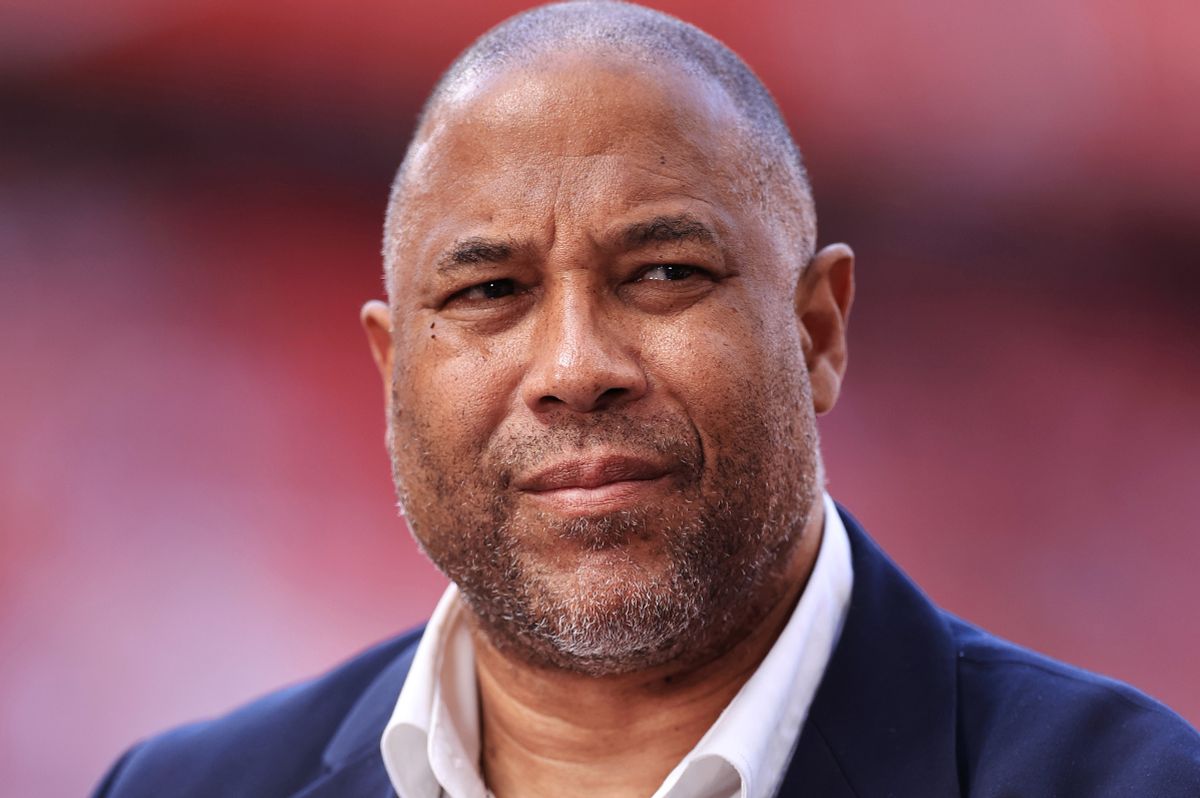
John Barnes has revealed that he was diagnosed with prostate cancer and underwent surgery to have his prostate removed, disclosing the news publicly for the first time during an appearance on Times Radio.
The former Liverpool and England winger, 62, said the diagnosis had been largely private until now. “I’ve had prostate cancer, I’ve had my prostate out, not many people know and it’s a bit of a taboo subject,” Barnes said. He added that he is now “fine” following the procedure.
Barnes used the disclosure to draw a contrast between public attitudes toward breast cancer and prostate cancer, arguing that men face a cultural barrier that discourages them from coming forward. “We support women with breast cancer and it’s not even an issue,” he said. “Whereas with men, the government say, ‘yeah, prostate cancer, we need more awareness, we need people to come forward and in black men it’s more prevalent’. Men have to then bite the bullet and swallow their pride and admit if they have problems and say it.”
He also addressed the stigma specifically tied to treatment, which he said prevents some men from seeking help. “A lot of men don’t want to admit it or want to have it done because it makes them feel less than a man. But you’re not, you’re exactly the same, you’re the same person and you’re around and that’s the main thing.”
Barnes spent a decade at Liverpool, where he became one of the most celebrated wingers of his generation, and earned 79 caps for England during his international career. Prostate cancer is the most common cancer among men in the UK, and research indicates that Black men are statistically at higher risk of developing the disease than the general population.
Read also
-
 Football ·
Barcola Silent After Six Matches, Iraola Predicts Imminent Upturn
-
 Football ·
Luis Enrique backs Man City to keep titles despite Premier League financial rules guilty verdict
-
 Football ·
Bournemouth open to £100m Alex Scott sale as Liverpool and Chelsea circle in January
-
 Football ·
Nigel Reo-Coker predicts Rayan Cherki will win the Ballon d'Or in coming years
-
 Football ·
Atletico Madrid honour Koke's mother with black armbands and silence before Man Utd clash
-
 Football ·
Manchester United hit back at Nicky Butt over leaked Carrick management doubts chat
 Jamaica W