How Manchester United's hunt for young talent is shaping their 'next Mbappe' strategy
Manchester United have made a deliberate shift toward signing elite youth talent rather than chasing marquee names, with Sir Jim Ratcliffe's philosophy of finding 'the next Mbappe' now driving the club's recruitment approach under Ineos.
2 min read
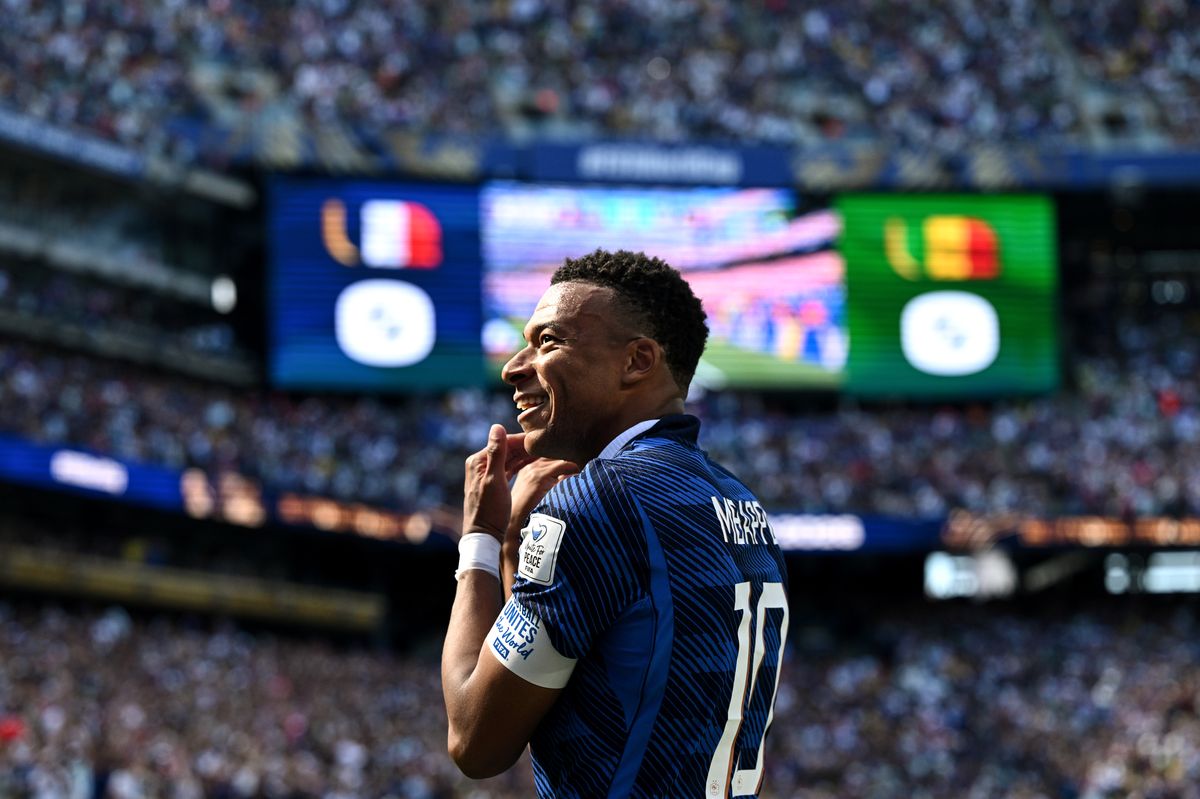
Manchester United’s transfer strategy under Ineos has taken a clear shape: identify and sign the best young talent in the country before rivals can act, rather than spending heavily on established stars.
The philosophy was articulated publicly by Sir Jim Ratcliffe as far back as March 2024, when the Ineos billionaire was asked in an interview with cyclist Geraint Thomas whether United would pursue Kylian Mbappe. “I’d rather find the next Mbappe than spend a fortune trying to buy success,” Ratcliffe said. “It’s not that clever, is it, buying Mbappe, in a way? Anyone could figure that one out. Much more challenging is to find the next Mbappe or Jude Bellingham or the next Roy Keane.”
The financial logic is straightforward. Even if Real Madrid were open to selling Mbappe, a fee north of £150 million would leave United’s squad imbalanced and their transfer budget exhausted — precisely the kind of spending Ratcliffe has long criticised. “They have been the dumb money,” he said of United in 2019, citing signings such as Fred as examples of poor value. Ineos, he insisted, “never wants to be the dumb money in town.”
Since taking a stake in the club in February 2024, Ratcliffe — working alongside sporting director Jason Wilcox, chief executive Omar Berrada and academy director Stephen Torpey — has begun putting that principle into practice. United have moved quickly to recruit high-potential academy players from rival clubs, signing Chido Obi and Ayden Heaven from Arsenal and luring Jack and Tyler Fletcher away from Manchester City.
All four have already been handed first-team opportunities, lending credibility to United’s pitch to prospective young signings. Homegrown talent JJ Gabriel, who has remained at Carrington rather than leaving, is expected to follow a similar path into the senior squad when he becomes eligible next season.
The approach carries a dual purpose: develop players who can contribute to the first team, or sell them at a significant profit if they do not. It is a model that mirrors the academies of clubs like Ajax and RB Leipzig — building sustainable value rather than chasing short-term results through the transfer market.
The strategy also appears to have influenced United’s managerial thinking. Michael Carrick was reportedly a preferred candidate to succeed Ruben Amorim in part because of his track record of developing and trusting young players — a quality that aligns directly with the direction Ineos wants to take the club.
Read also
-
 Football ·
Endrick's reported AC Milan preference leaves Zirkzee's United future in further doubt
-
 Football ·
David Silva ends retirement at 40 to play one match for Hong Kong's Supreme Sha Tin
-
 Football ·
Ceferin seeks fourth Uefa term as pressure mounts on Infantino to quit Fifa
-
 Football ·
Benatia in AC Milan's sights to succeed Tare as sporting director
-
 Football ·
Gordon praises Pedri's vision at Barcelona in remarks that cast shadow over Newcastle midfielders
-
 Football ·
Three Guinness World Records for Max Dowman, Arsenal's 16-year-old gem

 Andorra W