How City's £180m academy goldmine keeps fuelling their financial engine
Manchester City have averaged £60m per season in pure profit from academy player sales over the past three years, a revenue stream that has eased their compliance with Premier League financial rules — and will remain vital under the incoming Squad Cost Ratio system.
2 min read

Manchester City have generated approximately £180m in pure profit from academy player sales over the past three seasons, averaging £60m per year — a financial cushion that has repeatedly softened the club’s exposure to the Premier League’s Profit and Sustainability Rules (PSR).
The latest example arrived last week when City sold 20-year-old defender Jahmai Simpson-Pusey to FC Köln for an initial €5.5m, with add-ons that could take the total to €7.5m. Simpson-Pusey made just six senior appearances for City and spent last season on loan in Germany, yet the sale still registers as near-total profit on the club’s books.
The reason, as football finance expert and UCFB senior lecturer Chris Winn explained, lies in how academy graduates are treated under accounting rules. “Players that have come through the academy are different in that the costs of developing in-house talent can’t be attributed to a single player — they never carry a transfer value,” Winn said. “Their accounting value is effectively zero, which means if you sell a player for £100m and they’re worth nothing on your sheet, it’s 100 per cent profit.”
That contrasts sharply with purchased players, whose transfer fees are amortised across the length of their contracts. Under that model, a player bought for £50m on a five-year deal carries £30m of residual book value after two years; selling him for £100m yields £70m in profit rather than the full fee. Academy graduates carry no such starting value, meaning every pound of their sale price flows directly to the bottom line.
For a club that has faced sustained scrutiny over its finances — City are currently contesting 115 charges brought by the Premier League relating to alleged financial rule breaches — the ability to book large, clean profits from homegrown sales has provided meaningful headroom when submitting accounts.
That headroom will be tested under a new framework from next season. PSR is being replaced by the Squad Cost Ratio (SCR), which caps the proportion of revenue a club can spend on player wages, transfer amortisation, and agent fees. The Premier League’s SCR ceiling is set at 85 per cent of revenue, though City are already operating under a tighter 70 per cent cap imposed by UEFA as part of their settlement over separate European financial rule breaches.
Winn noted that City’s familiarity with UEFA’s version of the ratio-based system gives them a structural advantage in adapting to the Premier League’s equivalent. The club’s consistent pipeline of sellable academy talent — Simpson-Pusey follows a long line of graduates moved on for profit — means that revenue stream is unlikely to dry up, whatever the regulatory framework surrounding it.
Read also
-
 Football ·
Harry Redknapp makes film debut in movie about the fan he pulled from the stands in 1994
-
 Football ·
CAS to Arbitrate Morocco-Senegal Africa Cup of Nations Final, Senegalese Camp Claims 200% Victory
-
 Football ·
Man City block questions on 114 charges during rare Haaland interview with Nordic broadcaster
-
 Football ·
Mourinho dismisses Mbappe bust-up claims and vows star will start next Real Madrid match
-
 Football ·
Man United's 16-year-old Gabriel eyes £8.5m Spain move after meetings with Real Madrid, Barcelona, Bayern and PSG
-
 Football ·
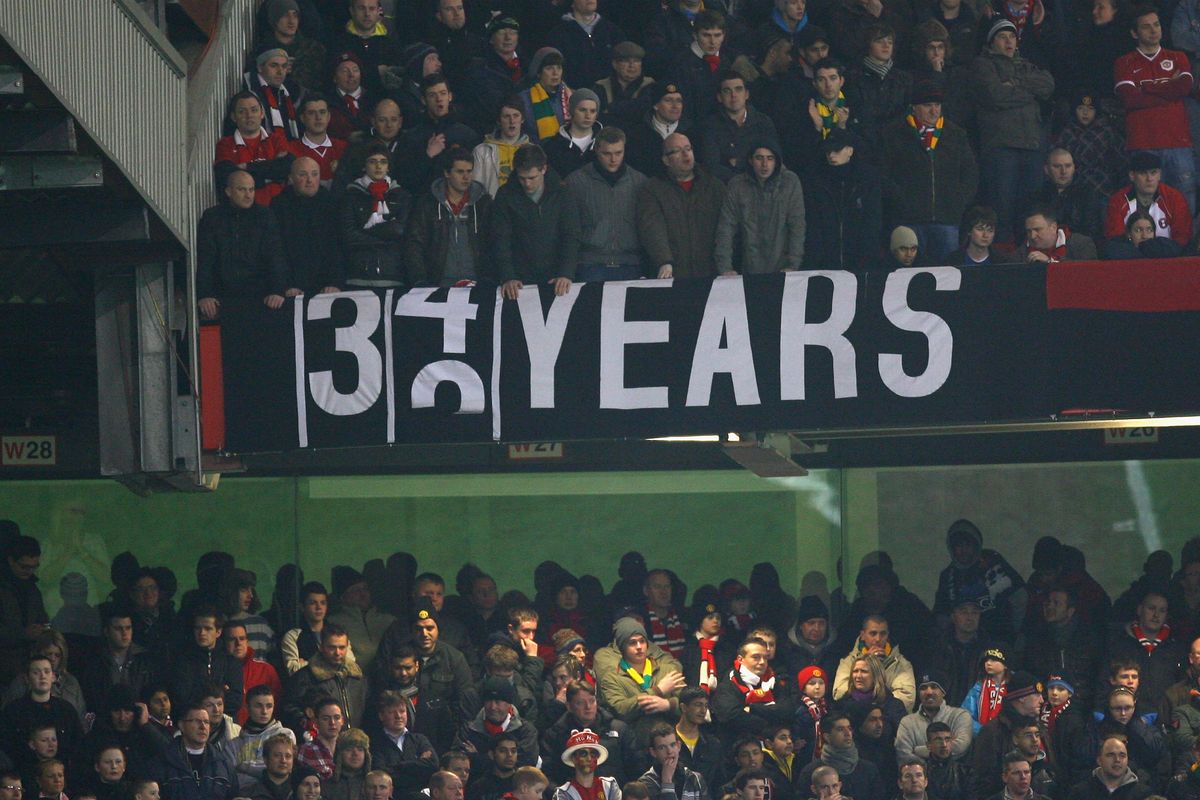
United fans revive '51 Years' trophy drought banner after City found guilty of 114 charges

 Romania W