How Christian Eriksen's implanted heart device saved him during his second collapse
Christian Eriksen walked off the pitch after collapsing during a recent friendly, protected by the implantable cardioverter defibrillator fitted after his cardiac arrest at Euro 2020 in 2021. The Danish midfielder confirmed the device "did exactly what it was designed to do."
2 min read

Christian Eriksen walked off the pitch under his own power after collapsing during a recent friendly match — an outcome made possible by the implantable cardioverter defibrillator (ICD) surgeons fitted following his cardiac arrest at Euro 2020 in 2021. The Danish midfielder confirmed on social media that his ICD “did exactly what it was designed to do: protect me when I needed it.”
The incident immediately recalled the harrowing scenes from Copenhagen three years ago, when Eriksen required emergency resuscitation on the pitch before a worldwide television audience. His recovery then was remarkable; his survival now is, in large part, a product of the technology implanted in his chest.
What is an ICD and how does it work?
An ICD is a small, pacemaker-like device designed to protect people at risk of dangerous heart rhythm disturbances. Abnormal rhythms can prevent the heart from pumping sufficient blood around the body and, if untreated, may trigger cardiac arrest.
The device is implanted under the skin below the collarbone and connected to the heart by one or more thin leads. It continuously monitors the heartbeat and can respond within seconds if a dangerous rhythm is detected. Depending on the situation, it may deliver a series of small electrical impulses or, if necessary, a stronger shock to restore a normal rhythm. A useful analogy is the airbag in a car: it does not prevent a crash, but it provides critical protection when one occurs.
Who needs an ICD?
ICDs are recommended for people who have survived a cardiac arrest or who are known to be at high risk of life-threatening heart rhythms. That includes individuals with inherited heart conditions, diseases affecting the heart muscle, previous heart attacks, or disorders of the heart’s electrical system.
Can someone with an ICD still lose consciousness?
Although ICDs act quickly, they are not instantaneous. If a dangerous rhythm develops suddenly, blood flow to the brain can fall before treatment is delivered, meaning some patients may feel dizzy, lightheaded, or briefly lose consciousness before the device intervenes.
Patients may also experience palpitations, breathlessness, or chest discomfort in the moments before treatment is delivered. When a shock is required, it is often described as a sudden jolt or thump to the chest — unpleasant, but designed to halt a potentially fatal rhythm disturbance.
Modern ICDs also record detailed data about each event and can transmit that information directly to a hospital, giving cardiologists a precise picture of what occurred and when.
Details of Eriksen’s latest incident are still emerging, and medical experts caution that an ICD does not make a patient immune to symptoms, blackouts, or future cardiac problems. What it does do — as Eriksen’s own words confirm — is buy the time that can make the difference between life and death.
Read also
-
 Football ·
Carragher and Neville united in condemning Gravenberch red card as City dismantle 10-man Liverpool
-
 Football ·
Gravenberch red card hands 10-man Liverpool a 3-0 humbling against City at Anfield
-
 Football ·
Paixao ready to take pay cut to help OM through financial crisis
-
 Football ·
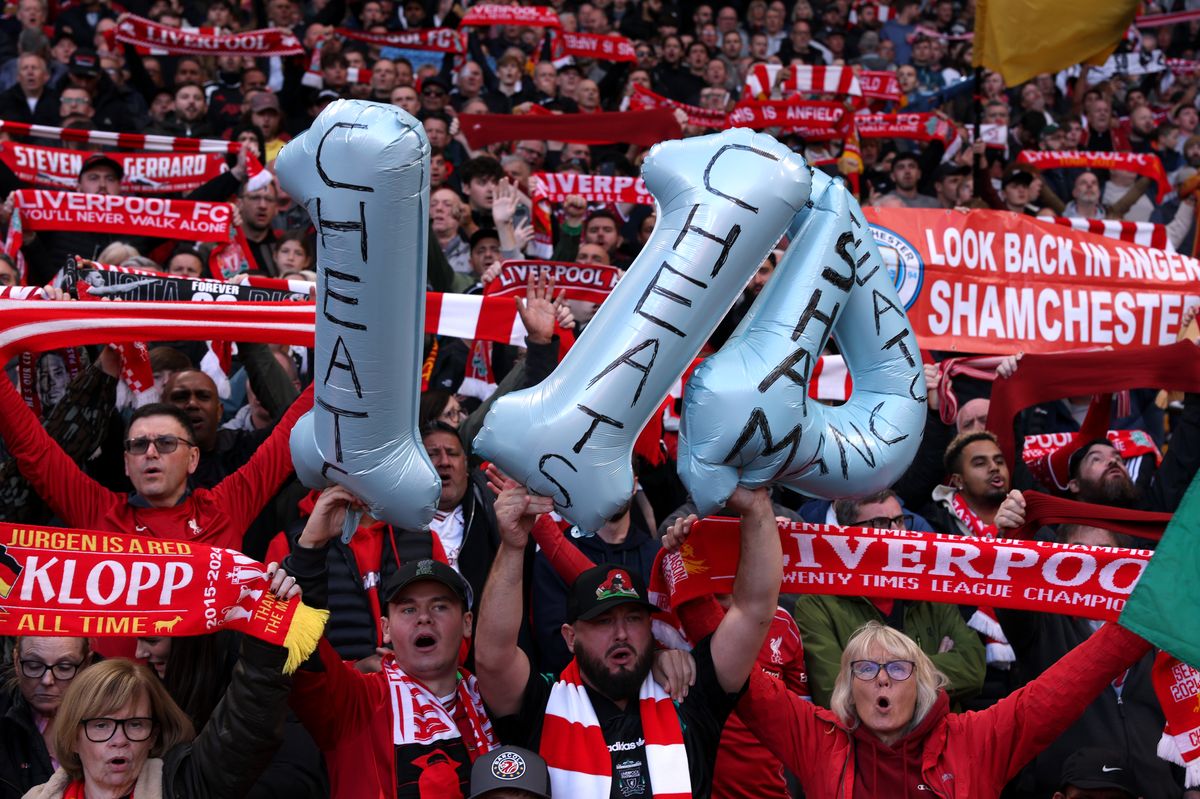
Liverpool fans greet Man City with 'cheats' chants in first match since 114-charge verdict
-
 Football ·
Cheat chants and prison-uniform flags greet Man City at a seething Anfield
-
 Football ·
Crystal Palace come from behind to hand Glasner a 3-1 defeat on his Selhurst Park return
 Andorra W