From Kakuma refugee camp to World Cup stage: Awer Mabil's remarkable journey with Australia
Born in Kenya to South Sudanese parents who fled civil war, Awer Mabil arrived in Australia aged 10 as a refugee. Now 30, he is a key figure for the Socceroos as they prepare to face the United States at the 2026 World Cup in Seattle.
2 min read
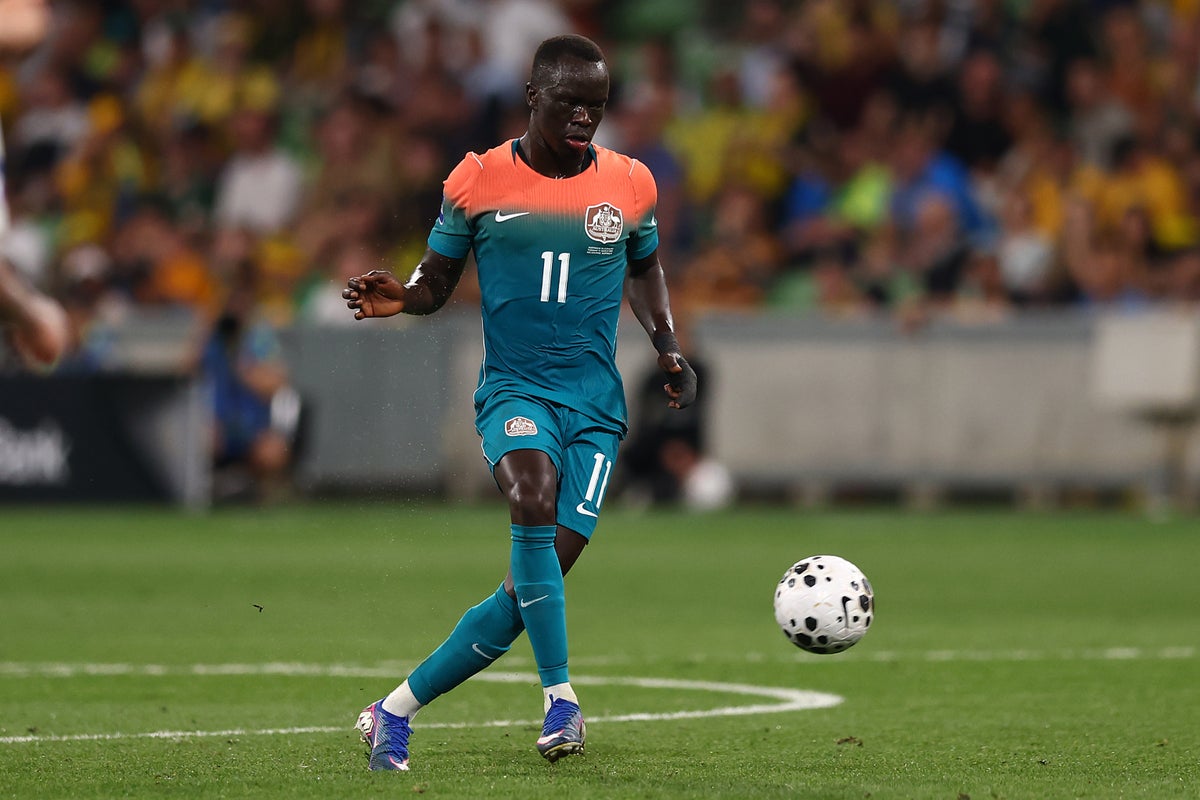
Awer Mabil broke down in visible emotion at a Socceroos media session on Tuesday, not because of a result on the pitch, but because of how far he has travelled to reach one — days before Australia face the United States in a World Cup group match in Seattle this Friday.
The 30-year-old winger was born in Kakuma, Kenya, to South Sudanese parents who had fled civil war. He arrived in Australia two decades ago at the age of 10 through the country’s humanitarian resettlement programme, settling in Adelaide where he first played organised football. The moment that undid him at training came when veteran SBS commentator David Basheer addressed him from the audience.
“I grew up watching you,” Mabil told Basheer, so caught off guard that he asked him to repeat himself.
The timing carries particular weight. Australia’s World Cup campaign is running through Refugee Week, with World Refugee Day falling on Saturday. Mabil has leaned into that coincidence with characteristic openness.
“It’s a Refugee Week and it’s a week that I would like to say to anybody that is misplaced all over the world that we are with you,” he said. “We are on a world stage right now, in a big tournament — and just to tell you everything is possible, so keep going.”
Mabil is not alone in carrying that story into this tournament. He considers himself a “big brother” to teammates Mo Touré and Nestory Irankunda, fellow refugees from Africa now representing Australia. The 20-year-old Irankunda underlined the squad’s depth of talent when he became the youngest Socceroo to score a World Cup goal, netting in a 2-0 win over Turkey in Vancouver on Saturday.
Ahead of the tournament, Mabil also featured in a video message on diversity that spread widely online. Its message was direct: “No matter where you come from, football is for everyone.”
“It’s coincidence again that it’s Refugee Week and the World Cup at the same time, and you have many refugees in the team,” Mabil said. “When I reflect back, I’m like — we all belong to this world together. And now we’re representing Australia.”
For a player whose early life offered no guarantees of safety, let alone a professional football career, the Seattle fixture against the United States represents something beyond sport. Mabil’s presence at this World Cup is, in its own way, the point.
Read also
-
 Football ·
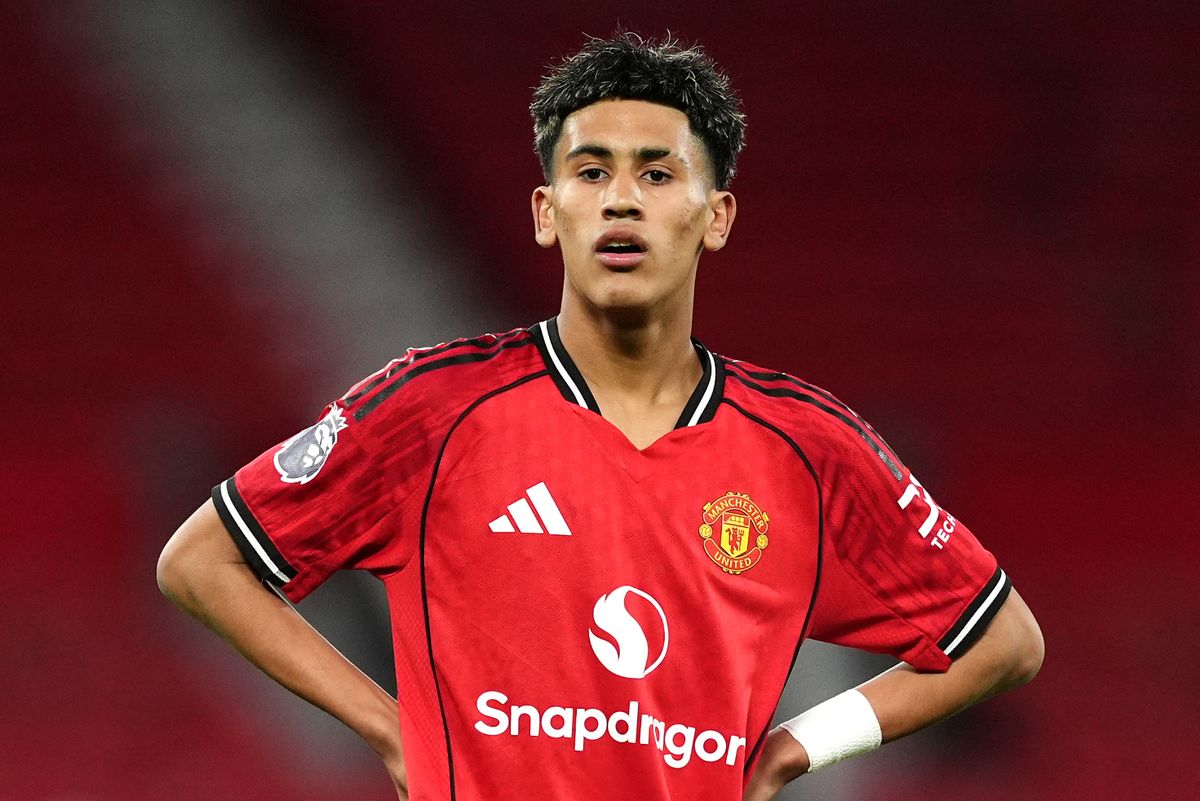
Man United offer JJ Gabriel scholarship contract as £350k exit to Europe looms
-
 Football ·
Rescued and Re-registered, Girondins de Bordeaux Start Over in Régional 1
-
 Football ·
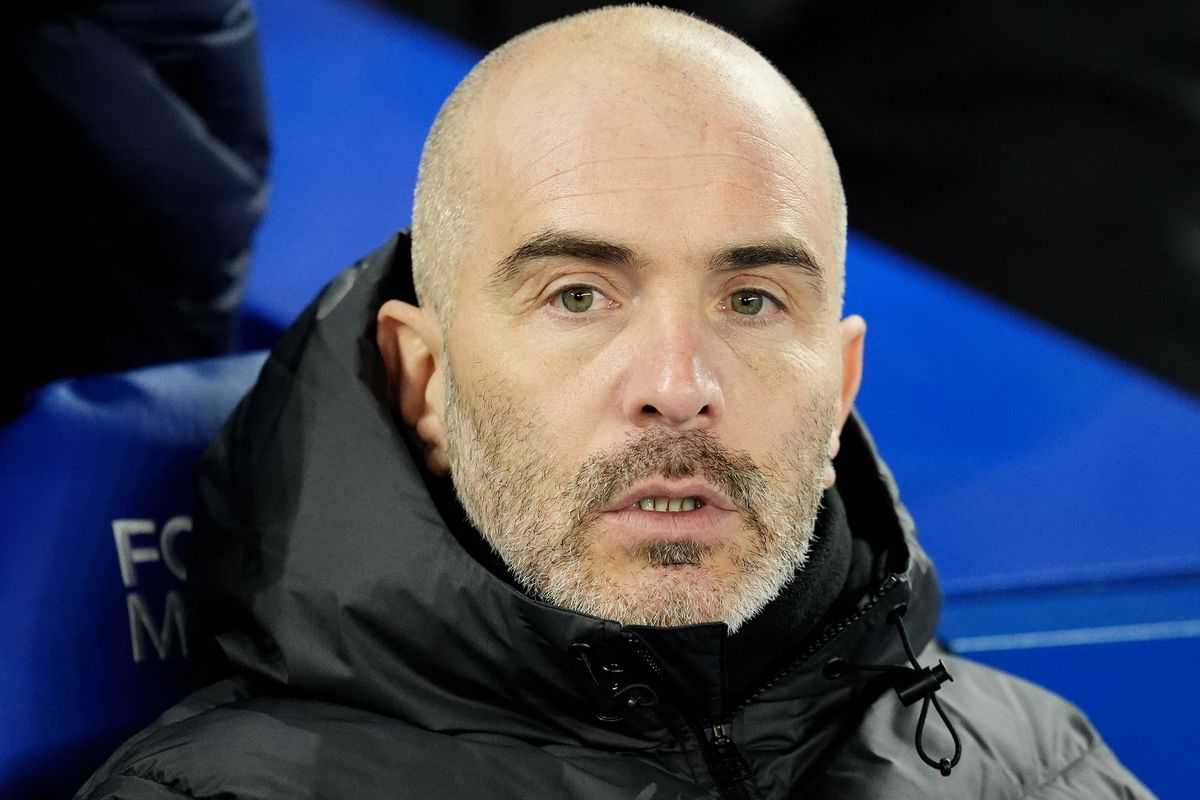
Maresca backs Man City hierarchy with 'complete trust' despite guilty verdict ahead of Anfield trip
-
 Football ·
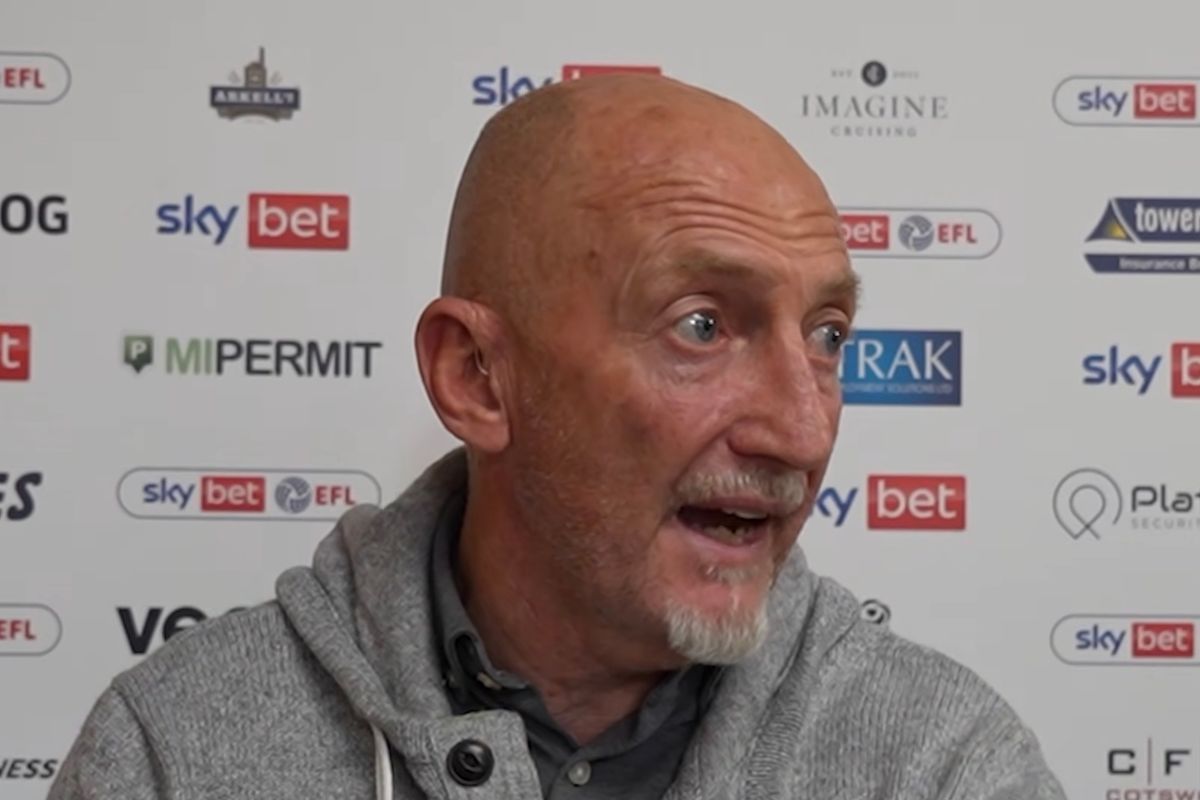
Holloway demands City expelled from football entirely after 114-charge guilty verdict
-
 Football ·
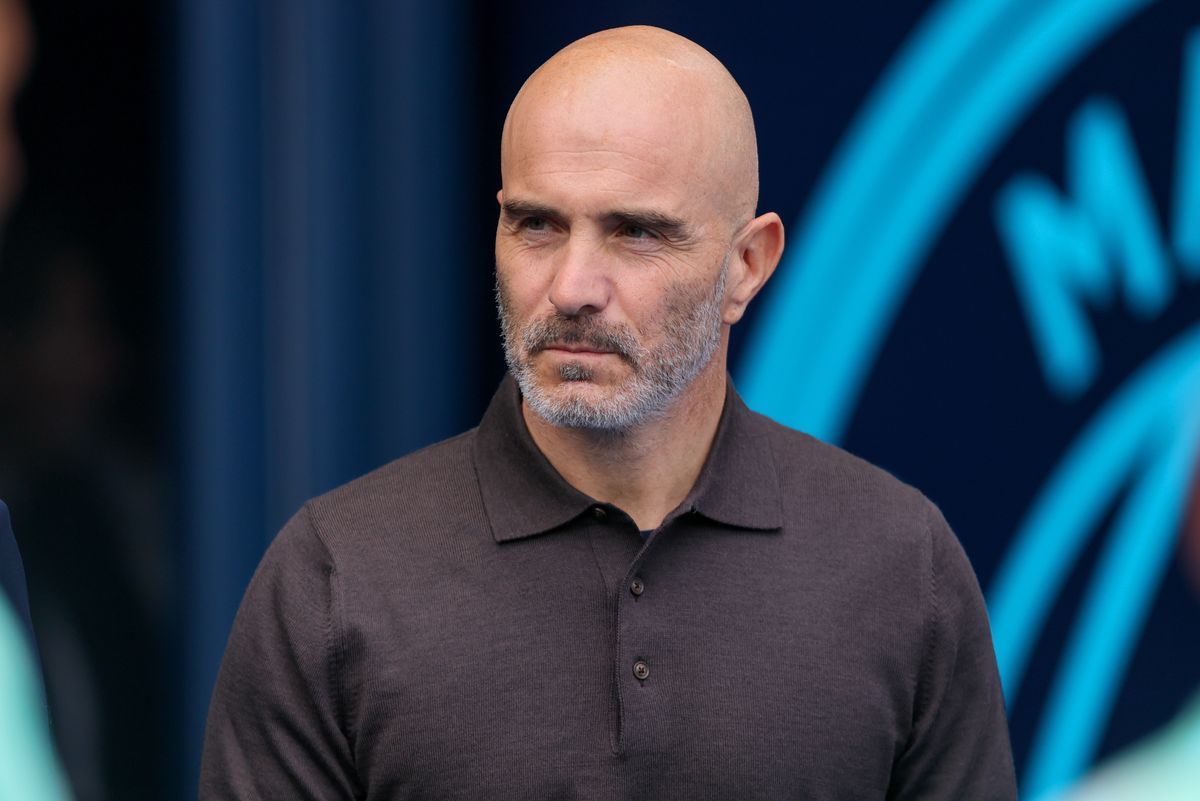
Maresca says City players are 'not worried at all' as guilty verdict looms over Anfield trip
-
 Football ·
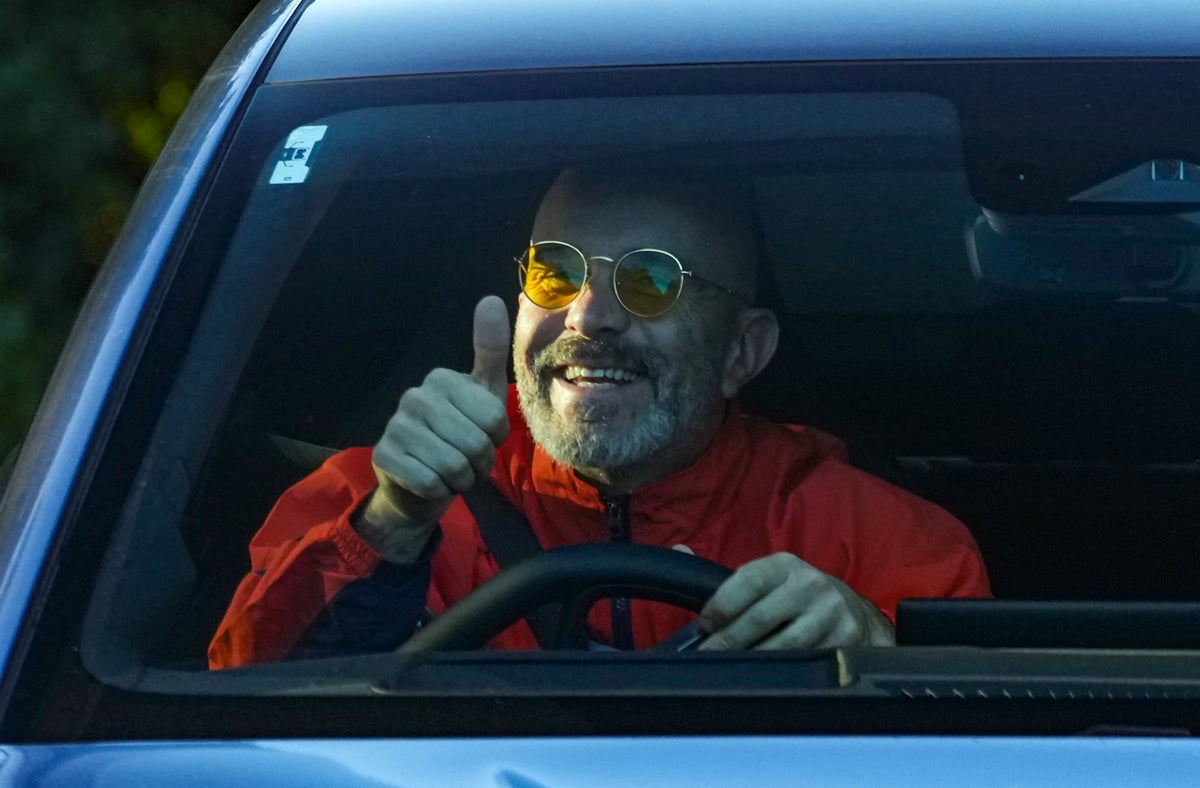
Maresca backs Man City hierarchy 'completely' despite £900m guilty verdict ahead of Anfield trip
 Andorra W