Four sets of brothers will represent rival nations at the 2026 World Cup
The 2026 World Cup will feature four pairs of brothers competing for different countries, from the Williams siblings split between Spain and Ghana to the Doué brothers divided by France and Ivory Coast — a trend shaped by decades of migration to Europe.
2 min read
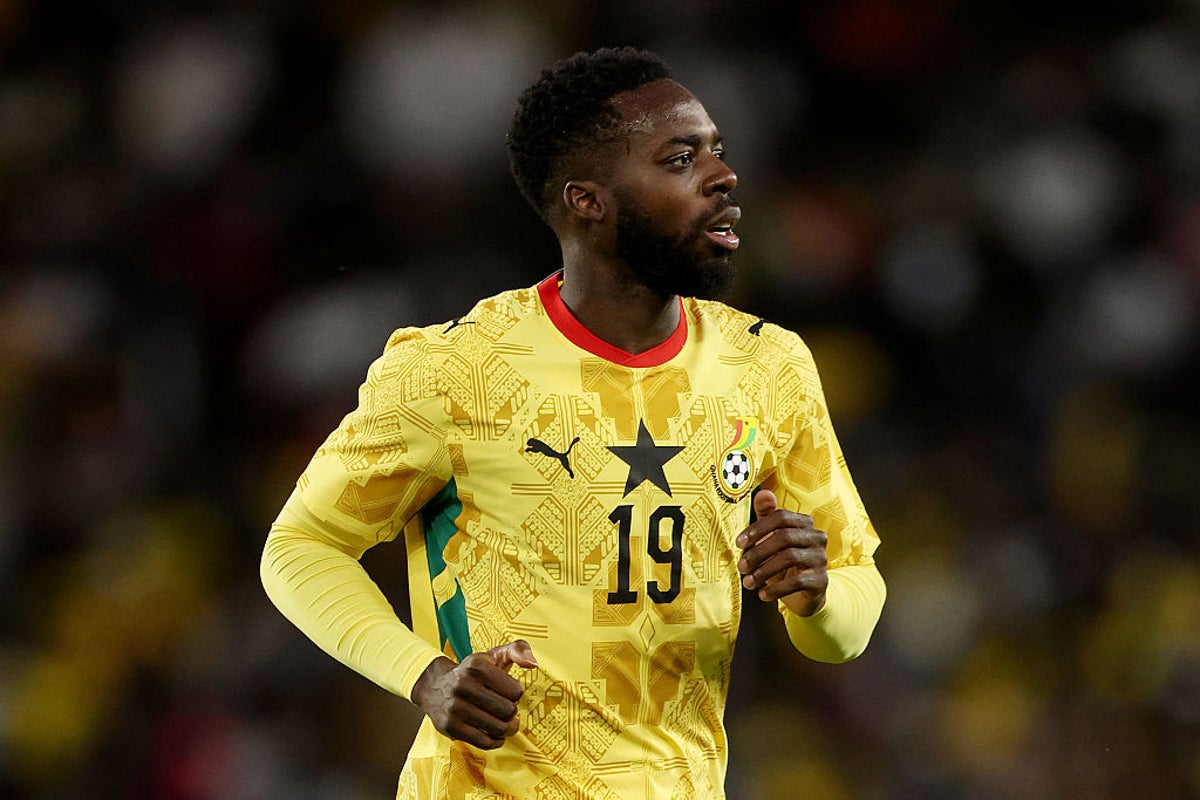
Four pairs of brothers will represent rival nations at the 2026 World Cup in the United States, Canada, and Mexico, highlighting how migration has reshaped the global talent pool and, in some cases, split families across international allegiances.
The most high-profile pairing involves Iñaki and Nico Williams, both born in the Basque Country. Nico, 23, was player of the match when Spain beat England in the Euro 2024 final, while older brother Iñaki, who turns 32 next week, made a single appearance for Spain in a friendly before switching to Ghana — the country of his parents. The two will not meet in the group stage, but the prospect of a sibling clash later in the tournament remains.
The Doué brothers present a similar story. Désiré, a Paris Saint-Germain starlet who has won back-to-back Champions League honours, plays for France, the country where both brothers were born in Angers. Guela, three years his senior and an overlapping fullback, chose Ivory Coast, their father’s homeland. The split was thrown into sharp relief last week when Guela scored the opener in Ivory Coast’s 2-1 friendly win over France, with Désiré watching from the opposing camp. “Sure, we teased each other a bit before the match,” Guela told reporters. “In the end, we’re family and we’re very happy for each other.”
Ghana’s squad also includes Dutch-born defender Derrick Luckassen, 30, who joins the tournament as an injury replacement alongside half-brother Brian Brobbey, 24 — except the two are on opposite sides. Brobbey, who shares the same mother as Luckassen but has a different father, is a back-up striker for the Netherlands, arriving at the tournament on the back of a strong second half of the Premier League season with Sunderland.
The fourth pairing involves the Souttar brothers. Australia selected Scottish-born centre-back Harry Souttar, 27, who switched allegiance to his mother’s country seven years ago after earning junior caps for Scotland. His older brother John remains in the Scotland squad.
The phenomenon of siblings competing for different nations at a World Cup is not entirely new. Jerome Boateng and his older half-brother Kevin-Prince faced each other in back-to-back tournaments — Germany beat Ghana 1-0 in Johannesburg in 2010, and the pair met again in Fortaleza four years later in a 2-2 draw. “In 2010, it was truly something new, something extraordinary,” Jerome Boateng recalled.
The broader trend reflects the depth of European-born talent now available to African nations. World Cup participants including Algeria, Cape Verde, Morocco, Senegal, and Tunisia each carry more European-born players in their 26-man squads than those born on home soil.
Read also
-
 Football ·
Van Dijk vows to speak on Man City's guilty verdict once appeal is settled
-
 Football ·
Keane accuses Liverpool of self-pity after Gravenberch red card opens door for City
-
 Football ·
Neville warns 'cheats' chant will spread across Premier League as City cloud deepens
-
 Football ·
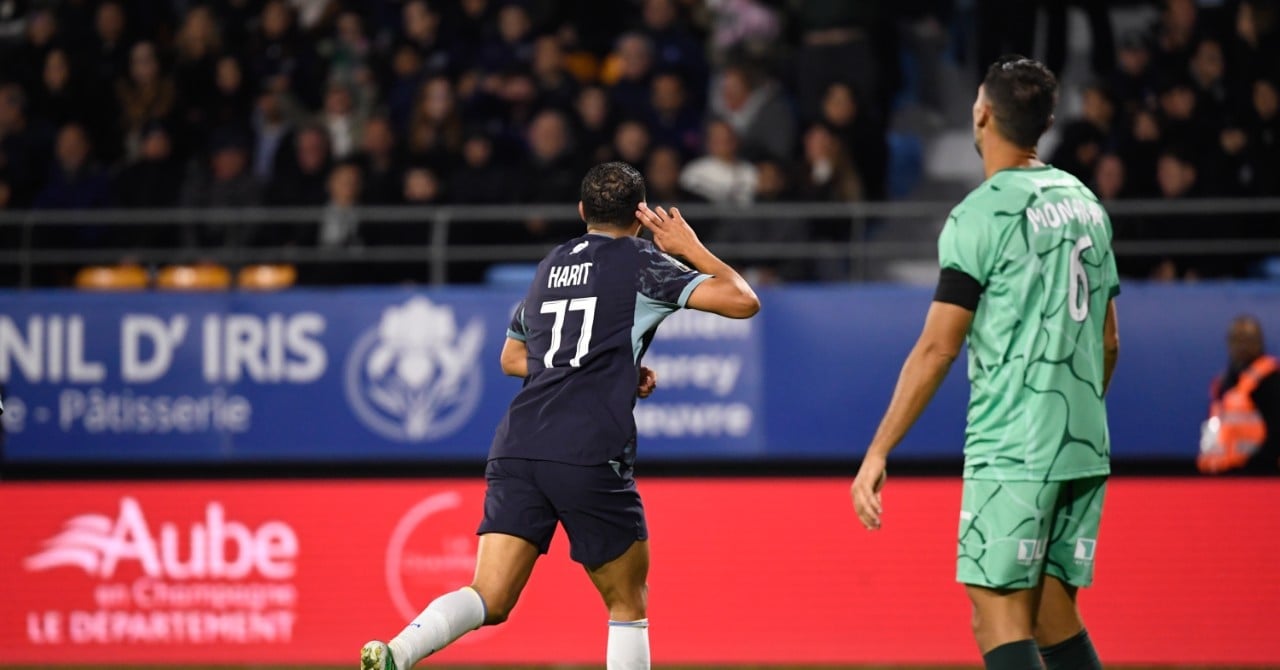
Marseille Scrapes Past Troyes to Escape Relegation Zone
-
 Football ·
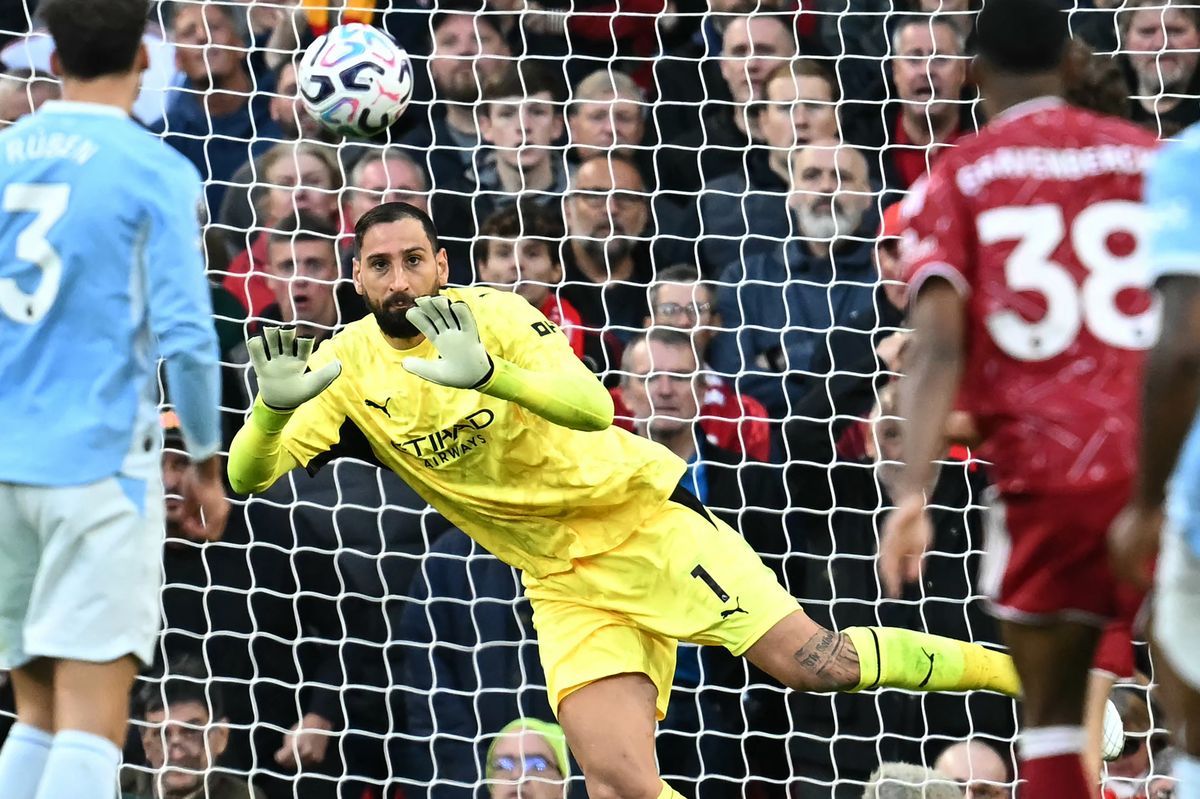
Neville asks to be removed from City commentary until financial verdict is settled
-
 Football ·
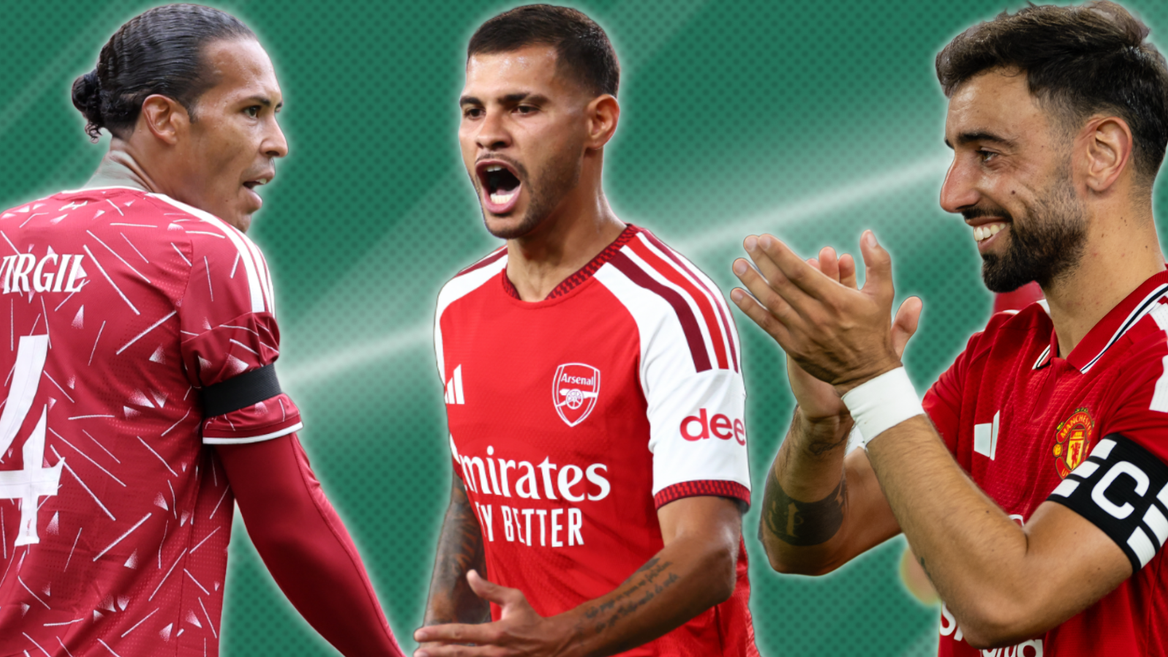
Burnham vows to publish all Manchester City dealings after guilty verdict prompts Badenoch challenge
 Andorra W