Fifa's mandatory World Cup water breaks open a lucrative new advertising window for broadcasters
Fifa has mandated three-minute hydration breaks in each half of all 104 World Cup 2026 matches, citing player welfare — but analysts say the structured stoppages could command Super Bowl-level advertising rates and reshape the tournament's commercial model.
2 min read
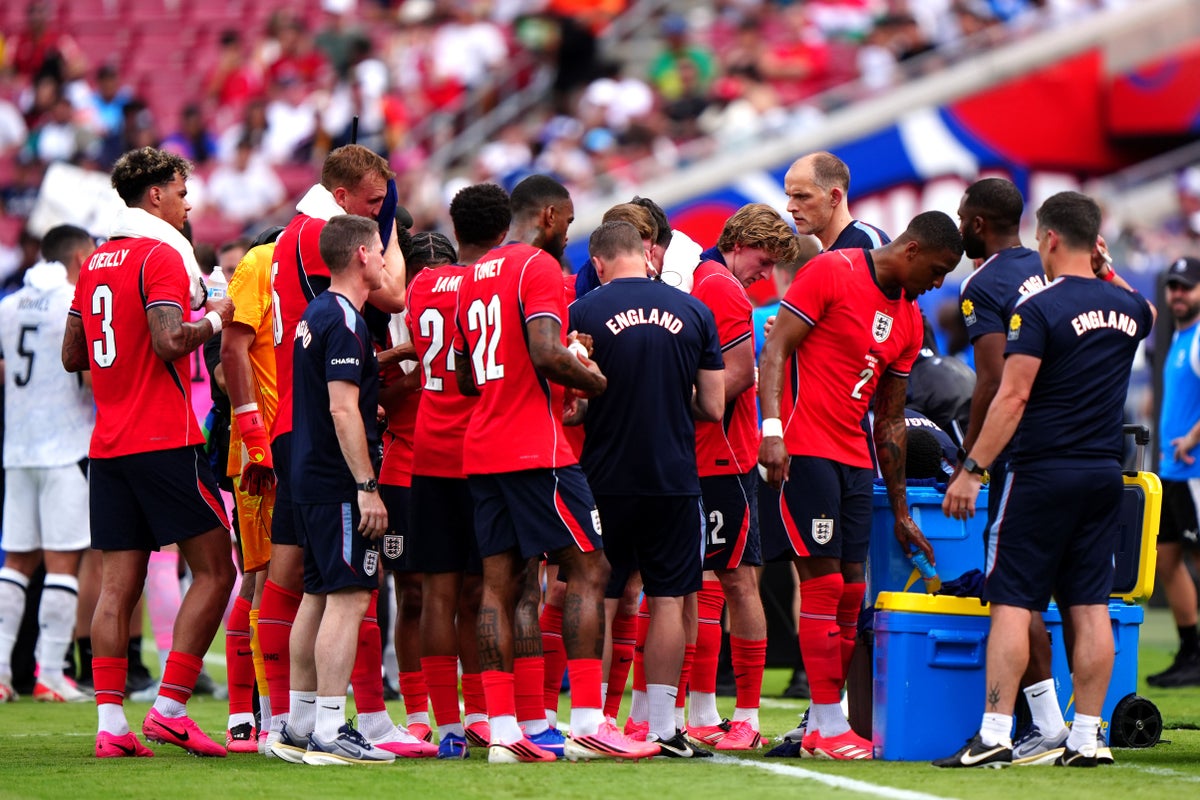
Fifa has for the first time made hydration breaks compulsory at a World Cup, ordering a three-minute pause in each half of all 104 matches across the United States, Mexico, and Canada this summer. The governing body cited player welfare and the threat of extreme heat — reinforced by sweltering conditions at the 2025 Club World Cup — as the driving rationale behind the decision.
Yet the breaks carry a significant commercial dimension. Analysts say the guaranteed stoppages hand broadcasters a reliable block of prime-time inventory that did not previously exist in football, and the sums being discussed are considerable. Michael Johnson, a research analyst covering the US sports industry for S&P Global, told Reuters the additional airtime could be “extremely valuable” and “could potentially command those Super Bowl level prices within that seven to probably nine-million-dollar range.”
The scale of the World Cup’s audience makes that valuation plausible. The Argentina v France final in Qatar in 2022 drew a cumulative global audience of 1.42 billion viewers, giving advertisers a reach that few other events can match. Johnson argued that the format now mirrors what American sports fans already expect. “US viewers are used to the NFL style model, NBA style model four quarters. They’re used to in-game breaks. This World Cup is essentially a mirror to those style models,” he said.
The commercial logic extends beyond free-to-air networks. Francois Godard, an independent analyst covering sports industries, suggested that subscription broadcasters would also welcome the extra inventory. “I think even subscription broadcasters like Sky in the UK would be very happy to have a little bit more advertising inventory,” he said.
Hydration breaks are not entirely new to the World Cup. They were first used during the Netherlands v Mexico match at Brazil 2014 when temperatures exceeded 32 degrees Celsius, but were applied on a match-by-match basis rather than as a blanket rule. The 2026 tournament marks the first time they have been mandated across every game.
The move is not without its critics. Johnson acknowledged that football’s tradition of continuous play sits uneasily with structured commercial breaks, warning that “purists are kind of worried about how this kind of Americanises the game” and that more adverts “could annoy fans, especially if they feel intrusive or excessive.” In European markets, where most domestic football is played in winter and broadcast on pay-TV with limited in-game advertising, the shift could provoke a backlash — particularly among supporters already frustrated by frequent stoppages for VAR reviews.
The 2026 World Cup final is scheduled for 19 July, with a halftime show featuring Colombian singer Shakira drawing further comparisons to the NFL’s Super Bowl model.
Read also
-
 Football ·
Crystal Palace come from behind to hand Glasner a 3-1 defeat on his Selhurst Park return
-
 Football ·
Liverpool fans greet guilty Man City with boos and 'cheats' banners at Anfield
-
 Football ·
Man City slip into Anfield via back entrance to avoid hostile Liverpool supporters
-
 Football ·
Manchester City found guilty of 115 financial charges as appeal and sanctions loom
-
 Football ·
Man City relegated to 7/4 favourites for drop after guilty verdict on 114 charges
-
 Football ·
Vinicius Junior threatens Clasico: his expulsion report aggravates the sanction