FIFA mandates hydration breaks at every World Cup match, even in climate-controlled stadiums
FIFA has made hydration breaks compulsory at the 22-minute mark of each half at the 2026 World Cup, regardless of temperature or roof conditions. The policy follows player complaints about dangerous heat at last summer's Club World Cup in the United States.
1 min read
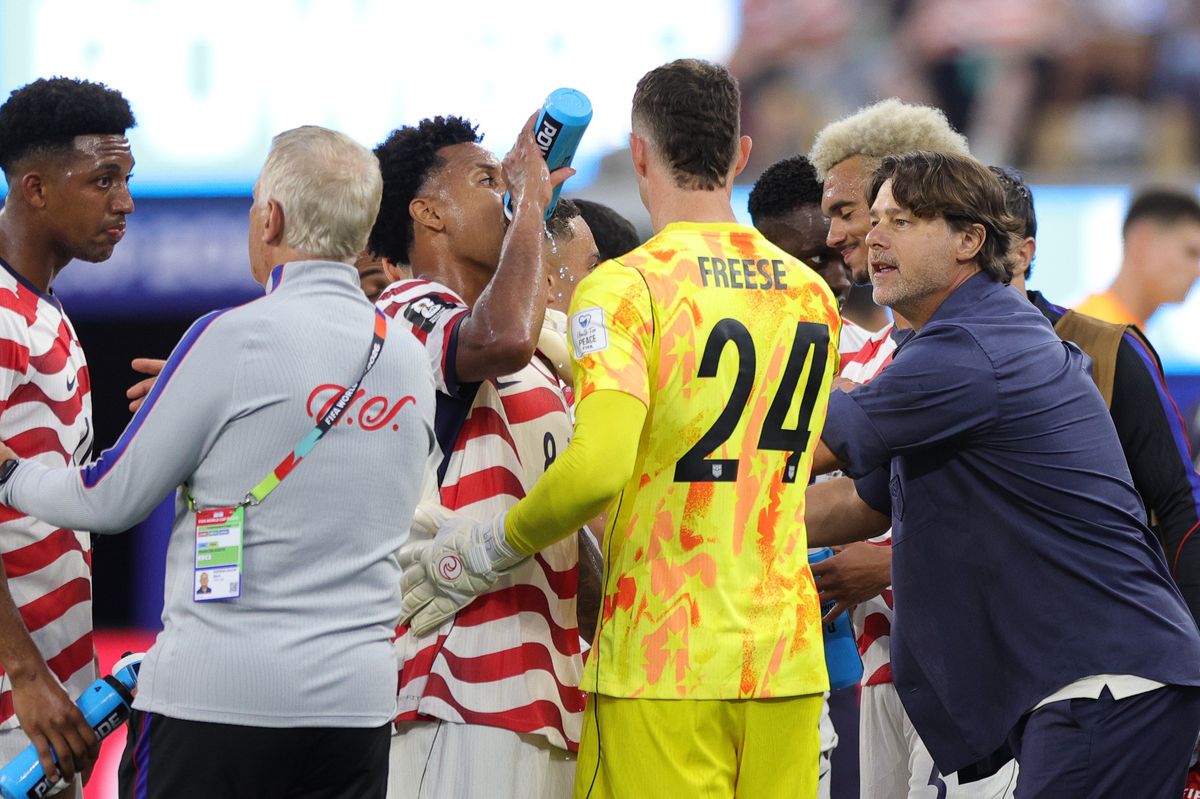
FIFA has made hydration breaks mandatory at the midpoint of every half during the 2026 World Cup — exactly 22 minutes in — irrespective of the weather, venue temperature, or whether a stadium is operating with a closed roof and climate control.
The rule applies universally across all matches in the tournament, meaning even games played in air-conditioned arenas will be paused for a three-minute break in each half. FIFA framed the policy as a player health measure designed to combat extreme heat stress.
The decision follows widespread criticism from players and coaches at last summer’s FIFA Club World Cup, held in the United States. Chelsea midfielder Enzo Fernandez said he felt “really dizzy” in what he described as “very dangerous” temperatures, while Atlético Madrid’s Marcos Llorente said he was “terribly hot” and that his “toes were sore, my nails were hurting.”
Not everyone has welcomed the change. Fans on social media have been vocal in their frustration, with some questioning the logic of enforcing the rule in cooler or climate-controlled conditions. “Three minutes and it’s not even that hot out? Absolutely disgraceful,” one supporter wrote. Another suggested a commercial motive: “Did FIFA really add hydration breaks just to run more ads? This is insane.”
A third line of criticism centred on the format itself, with some fans arguing the breaks fragment the flow of the game in a way that caters to American broadcast conventions. “These hydration breaks are just a back door way of turning football into quarters for Americans,” one wrote.
FIFA has not publicly addressed those specific complaints, but the organisation confirmed the breaks also serve a secondary purpose of providing broadcasters with a fixed scheduling window during each half — a structural benefit that critics have seized on as evidence the rule is commercially rather than medically driven.
The policy is now in effect for the duration of the tournament.
Read also
-
 Football ·
Mourinho keeps Vinícius's place open as Real Madrid seek route back to form
-
 Football ·
PSG beats Le Mans 3-1 but ultra banner inflames Parc des Princes
-
 Football ·
Carrick rejects Redknapp's confidence claim after 10-man Spurs snatch late draw at Old Trafford
-
 Football ·
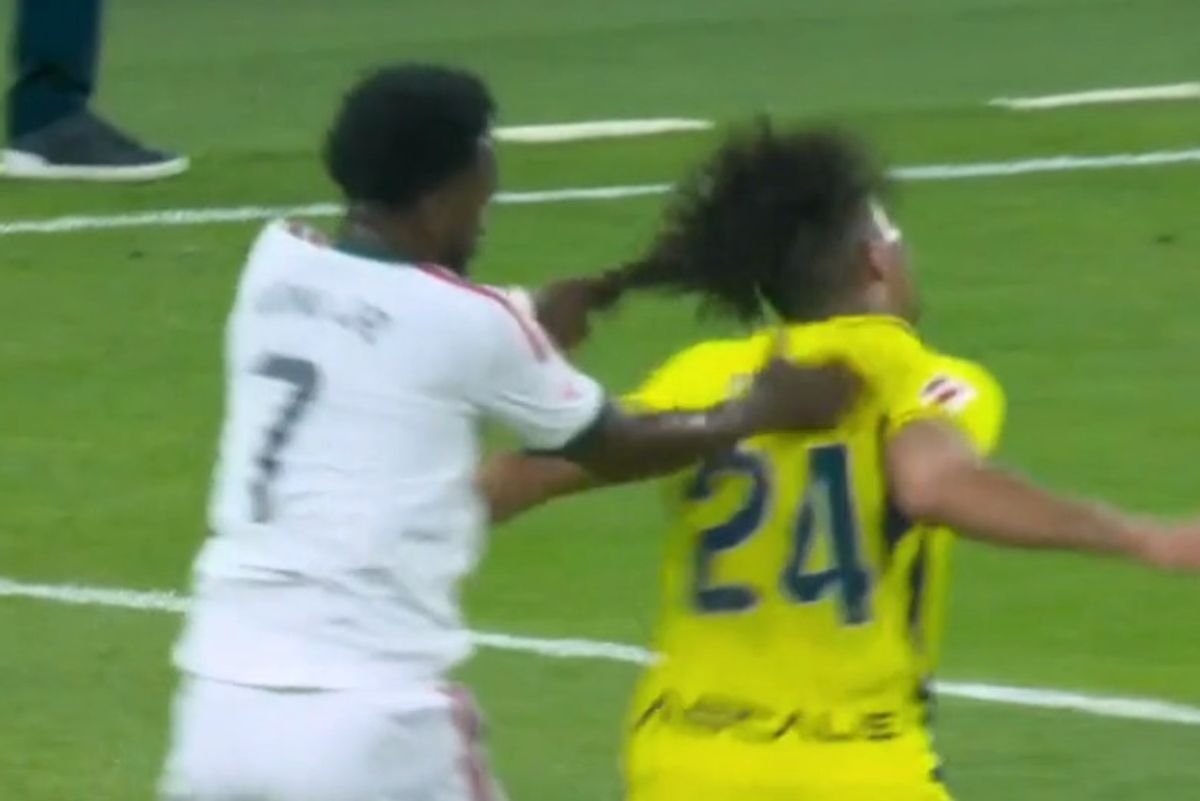
Vinicius Jr sent off for hair pull as VAR wipes out his goal in Real Madrid's win over Villarreal
-
 Football ·
Redknapp savages 'devoid' United after Solanke denies Carrick's side against 10-man Spurs
-
 Football ·
Carrick admits Old Trafford boos 'hurt a lot' after United drop points to Spurs in stoppage time