FIFA defends tightened goalkeeper-protection rules after disallowed goal ends Germany's World Cup
FIFA referees chief Pierluigi Collina has explained the stricter obstruction guidelines that led to Jonathan Tah's extra-time header being ruled out against Paraguay, a decision that ultimately sent Germany out of the World Cup on penalties.
2 min read
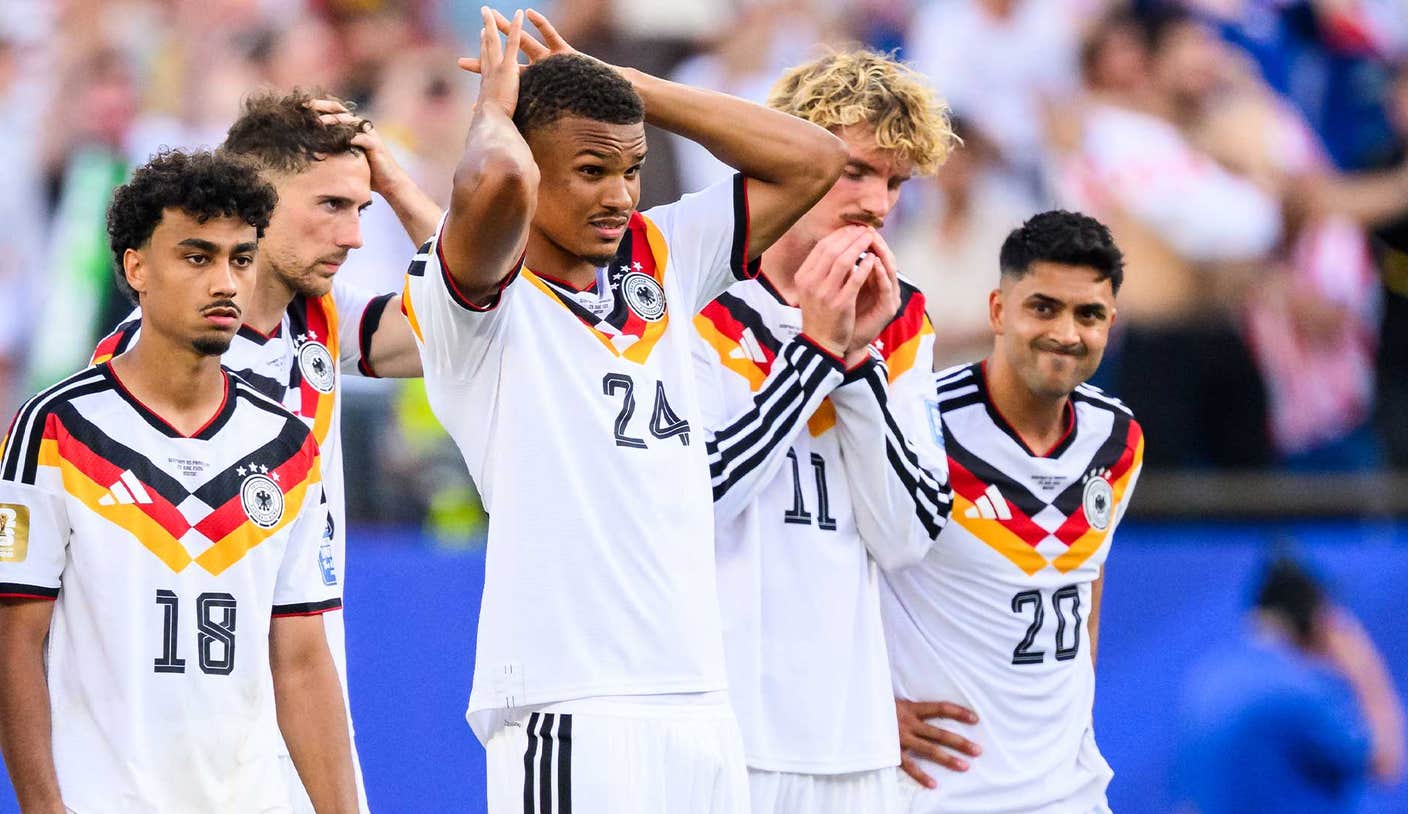
Germany’s shock exit from the World Cup on Monday came down to a single VAR call: Jonathan Tah’s headed goal in extra time against Paraguay was disallowed for a foul on goalkeeper Orlando Gill, and Germany subsequently lost the round-of-32 tie in a penalty shootout, with Tah himself blazing the decisive spot kick over the bar.
FIFA referees chief Pierluigi Collina addressed the controversy on Tuesday, explaining that officials had been specifically instructed to punish players who position themselves to obstruct opponents without making any attempt to play the ball — a directive that applies with particular force when a goalkeeper is the player being impeded.
Replays showed Germany’s Waldemar Anton pushing Gill to the ground before the header, though the contact was minimal enough to prompt widespread criticism of the decision.
“Although keeping a position is not a foul per se, when an attacking player is not interested in the ball and deliberately moves, even marginally, with the clear intention of obstructing opponents’ movement and prevents him from defending, then referees, and VAR when needed, should carefully analyze the incident and intervene,” Collina said. “This is especially the case when the tactic aims to prevent the opposing goalkeeper from being able to defend the goal.”
Collina was unequivocal that the rule had been communicated to all competing teams before the tournament began. “Coaches and players were informed so it should come as no surprise that referees will punish these fouls,” he said.
The FIFA official also used the briefing to highlight what he described as the successful implementation of anti-timewasting measures at this World Cup. Strict time limits have been imposed on goal kicks, throw-ins and substitutions, and players are now required to leave the field for one minute following an injury stoppage.
“These measures have all been very effective and unanimously considered as very positive innovations,” Collina said.
Germany’s elimination is one of the tournament’s biggest upsets to date, and the debate over the disallowed goal is likely to continue as the World Cup progresses.
Read also
-
 Football ·
Referee Paul Ramdayal dies after collapsing during Feyenoord under-13s match
-
 Football ·
Yamal's sixth-minute golazo stretches Spain's unbeaten run to 41 games
-
 Football ·
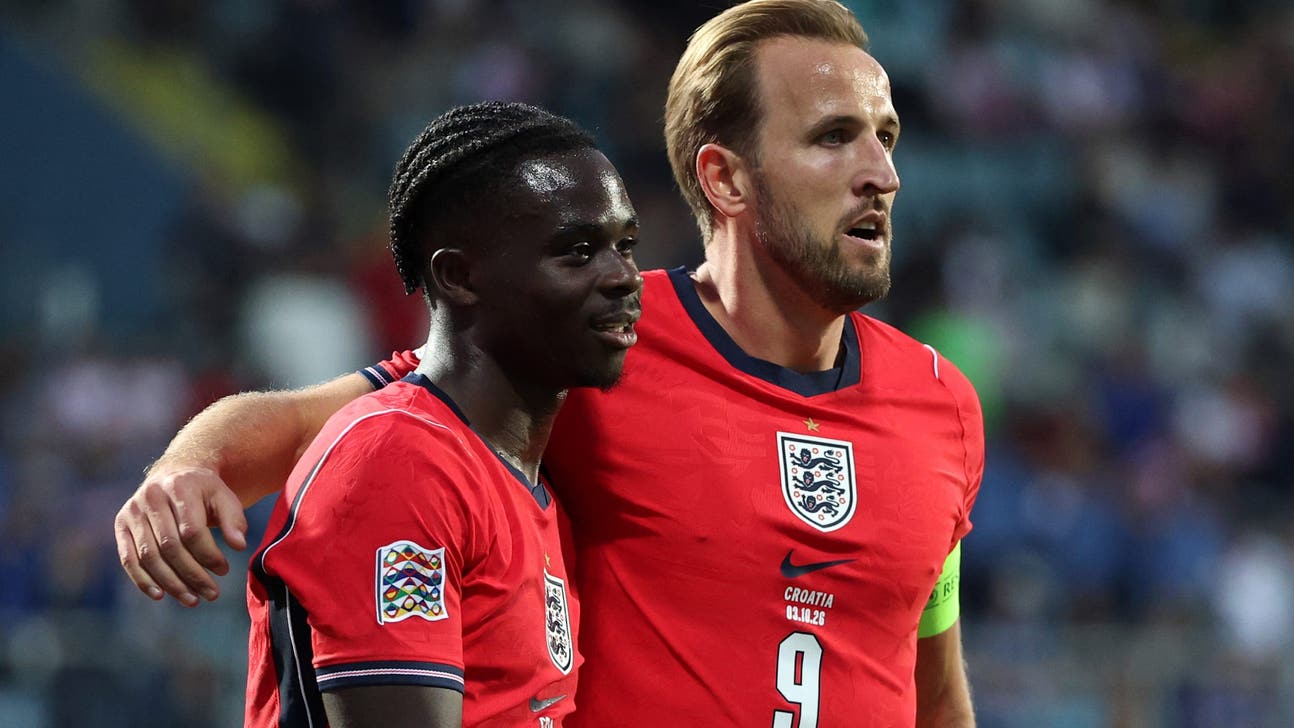
England demolish Croatia 7-0 as Kane, Saka and Bellingham run riot in Rijeka
-
 Football ·
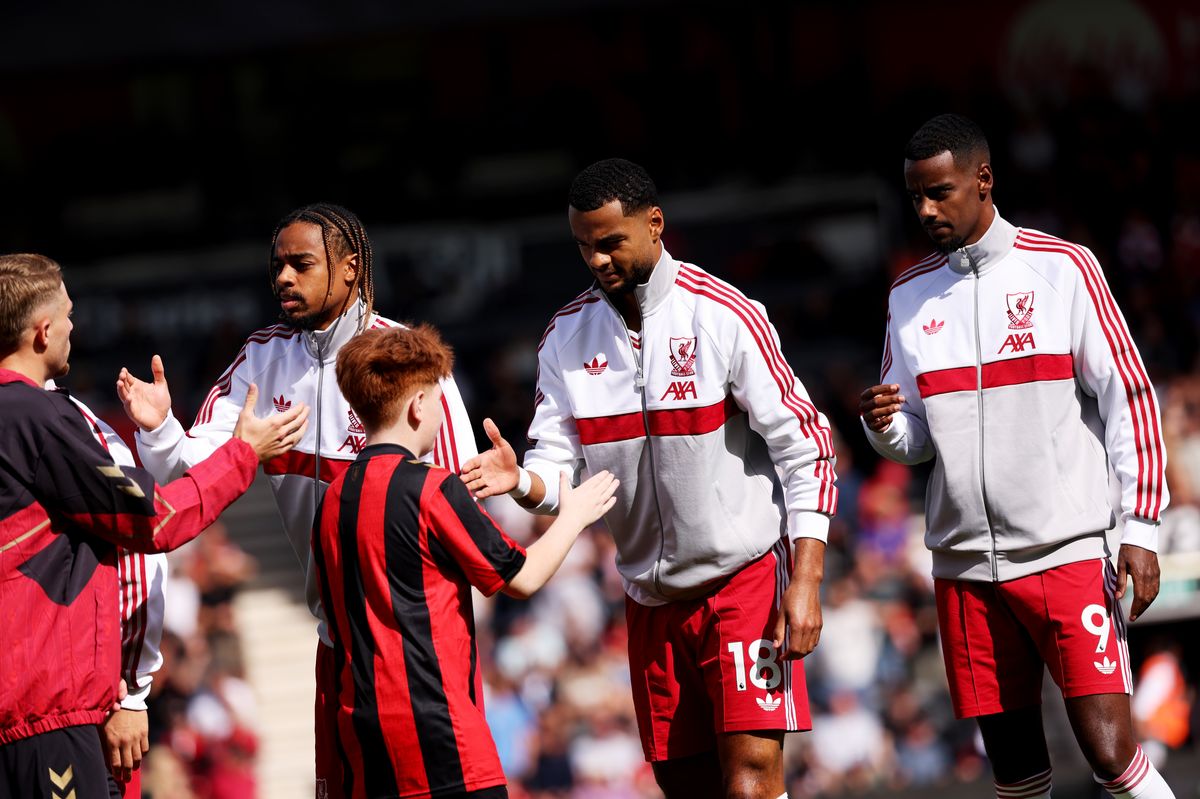
Sheringham backs Isak to beat Haaland to Golden Boot as Liverpool striker hits top form
-
 Football ·
Yamal scores third goal in three matches and powers Spain in Nations League
-
 Football ·
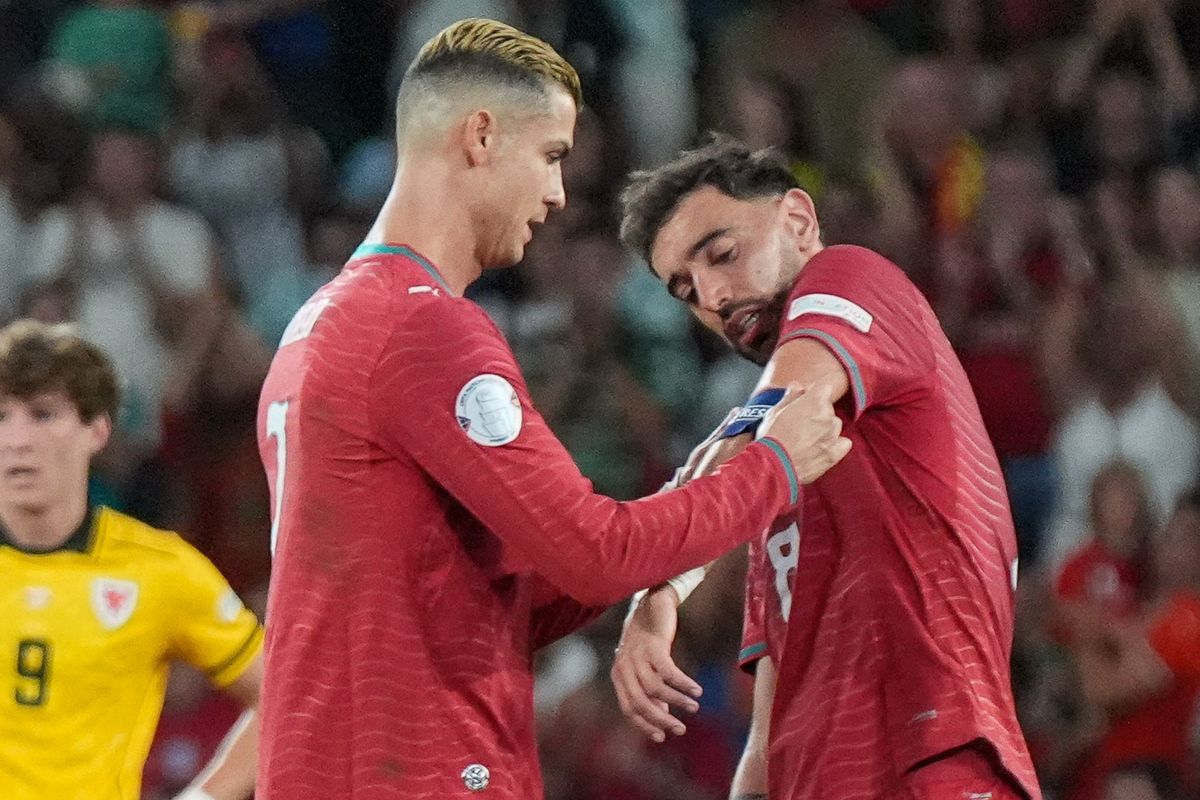
Fernandes urges Portugal unity after Ronaldo's shock international walkout
 Comoros