FIFA cleared DR Congo despite finding goalkeeper Mpasi ineligible during World Cup qualifying
Internal FIFA reviews confirmed that DR Congo fielded an ineligible goalkeeper during 2026 World Cup qualifying, yet the governing body dismissed Nigeria's appeal on a technicality and allowed the Leopards — including Newcastle striker Yoane Wissa — to compete at the tournament.
2 min read
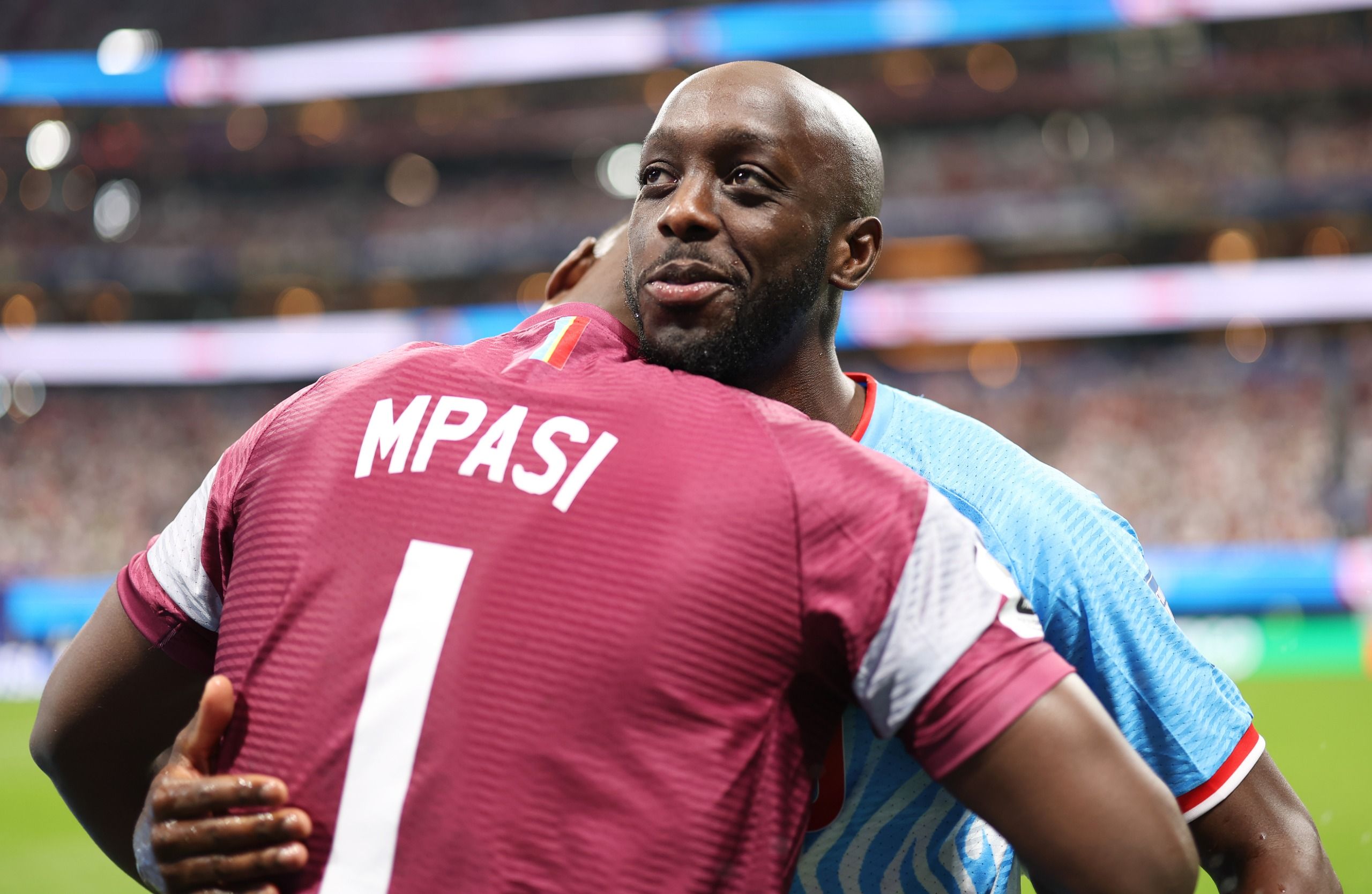
FIFA knowingly permitted the Democratic Republic of Congo to compete at the 2026 World Cup after internal reviews established that goalkeeper Lionel Mpasi was ineligible during qualifying, according to an investigation by the New York Times. The governing body dismissed a formal appeal from Nigeria on a technicality and declined to overturn any results or issue sanctions.
The dispute centres on Mpasi, a former France youth international, whose international switch of allegiance to DR Congo was never completed through the mandatory FIFA paperwork. Nigeria lodged a complaint after losing their continental play-off against DR Congo, arguing the Congolese federation had failed to fulfil the required administrative process. FIFA’s own officials verified that Mpasi lacked the necessary clearance when he played in the qualifiers — yet the appeal was rejected on procedural grounds.
That decision allowed DR Congo, whose squad featured Newcastle United striker Yoane Wissa, to advance to the intercontinental play-off, where they defeated Jamaica to secure their first World Cup appearance in 52 years. At the tournament in North America, Mpasi started every match in goal while Wissa led the attack. The Leopards progressed from Group K — alongside Portugal, Colombia, and Uzbekistan — before being eliminated by England in the Round of 32.
The revelations are likely to intensify anger in Nigeria, where officials have long maintained their team was unfairly denied a place at the tournament. Standard FIFA rules stipulate that fielding an ineligible player in an official match results in an automatic forfeit — a precedent applied to Bolivia during 2018 World Cup qualification, when the country lost points for exactly that offence.
In a statement responding to the New York Times report, FIFA defended its handling of the case. “FIFA’s committees are autonomous and decide cases on the basis of the regulations in force and the specific facts under consideration,” the governing body said, adding that FIFA President Gianni Infantino played no part in the proceedings.
Critics will argue that the outcome represents a significant inconsistency in how FIFA applies its own eligibility regulations, and the case is expected to face further scrutiny from football’s governing bodies and national federations.
Read also
-
 Football ·
Kavanagh named referee for Liverpool vs City clash after Van Dijk offside row
-
 Football ·
Haaland injury and Tuchel row cast shadow over FIFA's three-week international break experiment
-
 Football ·
Ronaldo refuses to return to Portugal squad while Jorge Jesus remains manager
-
 Football ·
Raphinha signs Barcelona contract extension keeping him at the club until June 2030
-
 Football ·
Mbappé returns to individual training but Villarreal start remains uncertain
-
 Football ·
Conte signals interest in managing a 'fallen giant' as United pressure mounts on Carrick
 Russia