Haaland injury and Tuchel row cast shadow over FIFA's three-week international break experiment
A wave of high-profile Premier League injuries and Manchester City's anger at Thomas Tuchel's handling of Erling Haaland have intensified the debate over FIFA's extended three-week international break, with clubs and player unions questioning the toll on elite footballers.
2 min read
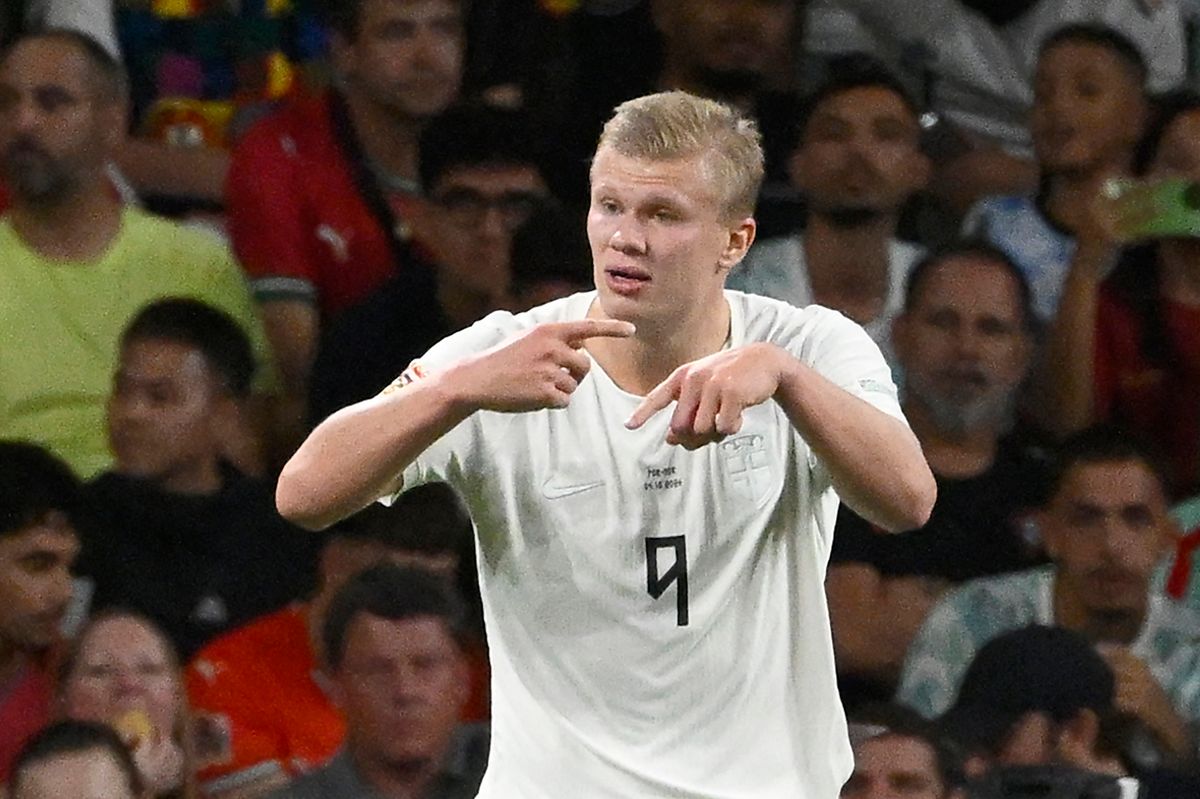
A string of serious injuries and a diplomatic flashpoint between Manchester City and England manager Thomas Tuchel have put FIFA’s new three-week international break under intense scrutiny, raising fresh questions about the sustainability of the modern football calendar.
The problems began before a ball had even been kicked in this window. Tino Livramento, Kobbie Mainoo, Cole Palmer, Marcus Rashford and Declan Rice all withdrew from the England squad, prompting a sharp response from the Professional Footballers’ Association. “When England see five players who need to withdraw when the single most proud moment a player has is to be called up for the national team, you just ask yourself, what’s wrong about the industry?” said PFA chief executive Maheta Molango at the Fifpro performance summit. “You see people like Cole Palmer, someone who would have played four consecutive summers in a row had he gone to the World Cup, and you wonder why is he missing? He’s missing because he’s a victim of the calendar.”
The injury toll mounted as the break progressed. Kai Havertz hobbled off with a hamstring problem during Jurgen Klopp’s first game as Germany manager — a 1-1 draw with the Netherlands — a result that illustrated the strain of asking players to compete four times in two weeks. Klopp had already acknowledged the difficulty by naming two 22-man squads for the window. Havertz’s Arsenal team-mate Christos Tzolis then suffered a hamstring strain in Greece’s 2-2 draw with the Netherlands, while Ezri Konsa also returned to the Gunners early with a knock.
Liverpool were not spared either. Alexander Isak and Cody Gakpo both came back from international duty with injuries, and Jeremy Jacquet was withdrawn from the France squad with a hamstring issue, leaving all three as doubts for upcoming club fixtures.
FIFA extended the standard two-week break to three weeks partly to offset the late conclusion of the World Cup and partly to reduce the volume of long-haul travel for players. The intention was to ease the burden; the reality, at least so far, has appeared to do the opposite.
The issue of player burnout is not new. Former Manchester City midfielder Rodri warned more than two years ago that players might strike if fixture congestion was not addressed. The events of the past three weeks have given that warning renewed urgency, with clubs, unions and managers united in their unease — even if a solution remains elusive.
Read also
-
 Football ·
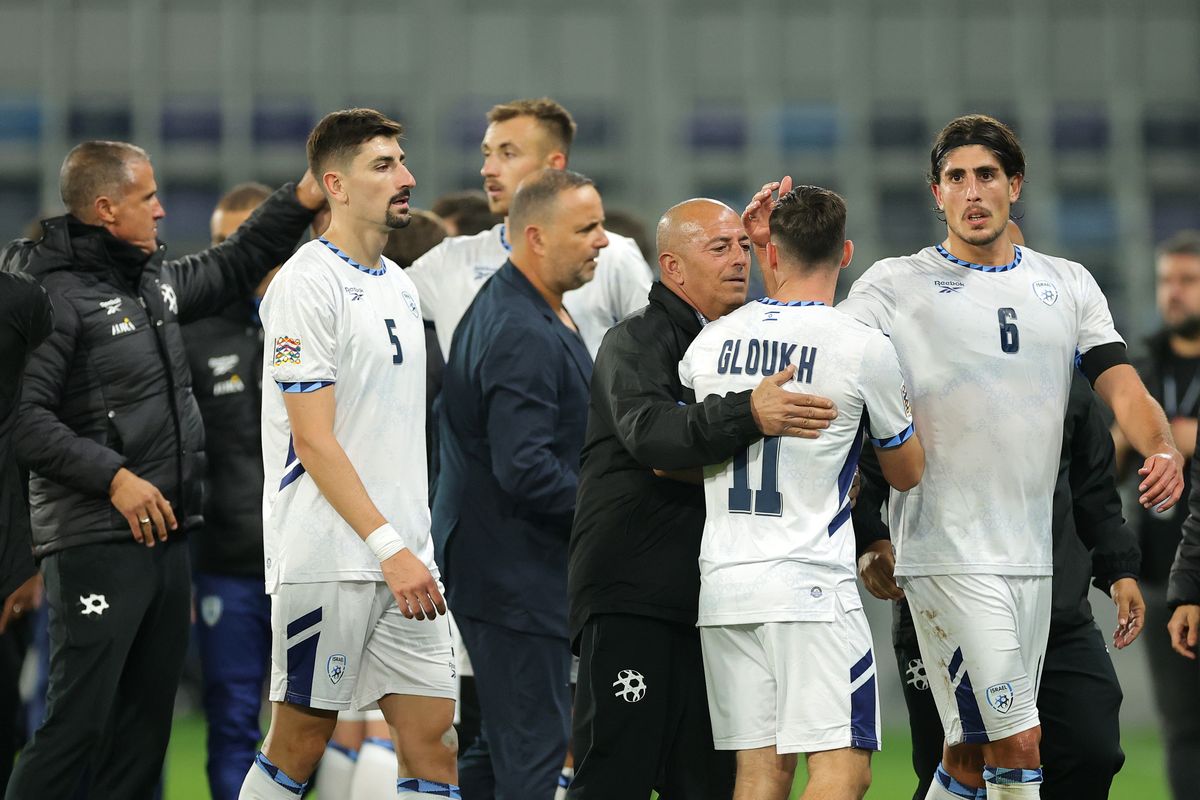
UEFA opens disciplinary investigation into spitting allegation from Ireland vs Israel Nations League clash
-
 Football ·
Gordon slams 'disrespect' over EA FC 27 defensive rating as Bellingham left speechless
-
 Football ·
Lizarazu abandons TF1 studio live to greet Zidane after France-Belgium
-
 Football ·
City's appeal defence weakened as UEFA evidence contradicts 'Abu Dhabi paid' claim
-
 Football ·
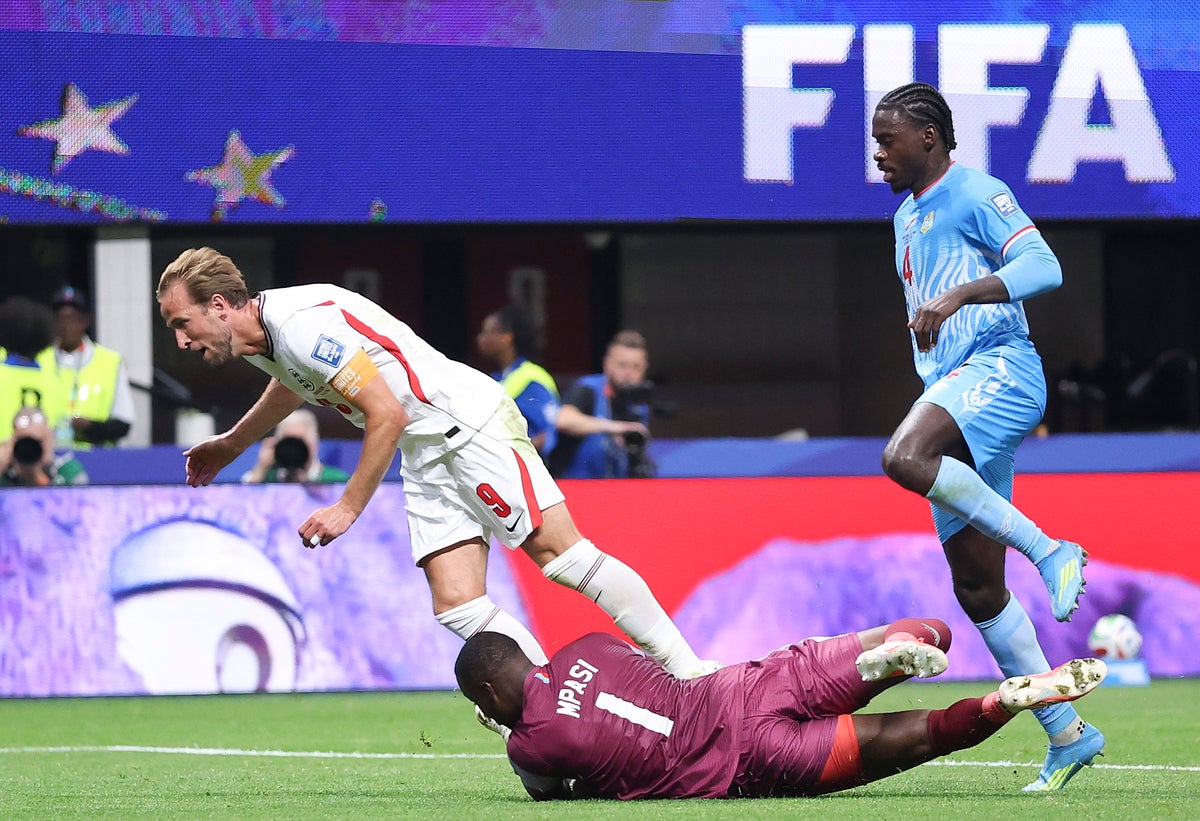
Infantino faces fresh eligibility scandal after FIFA lawyers 'knew Mpasi was ineligible' before World Cup
-
 Football ·
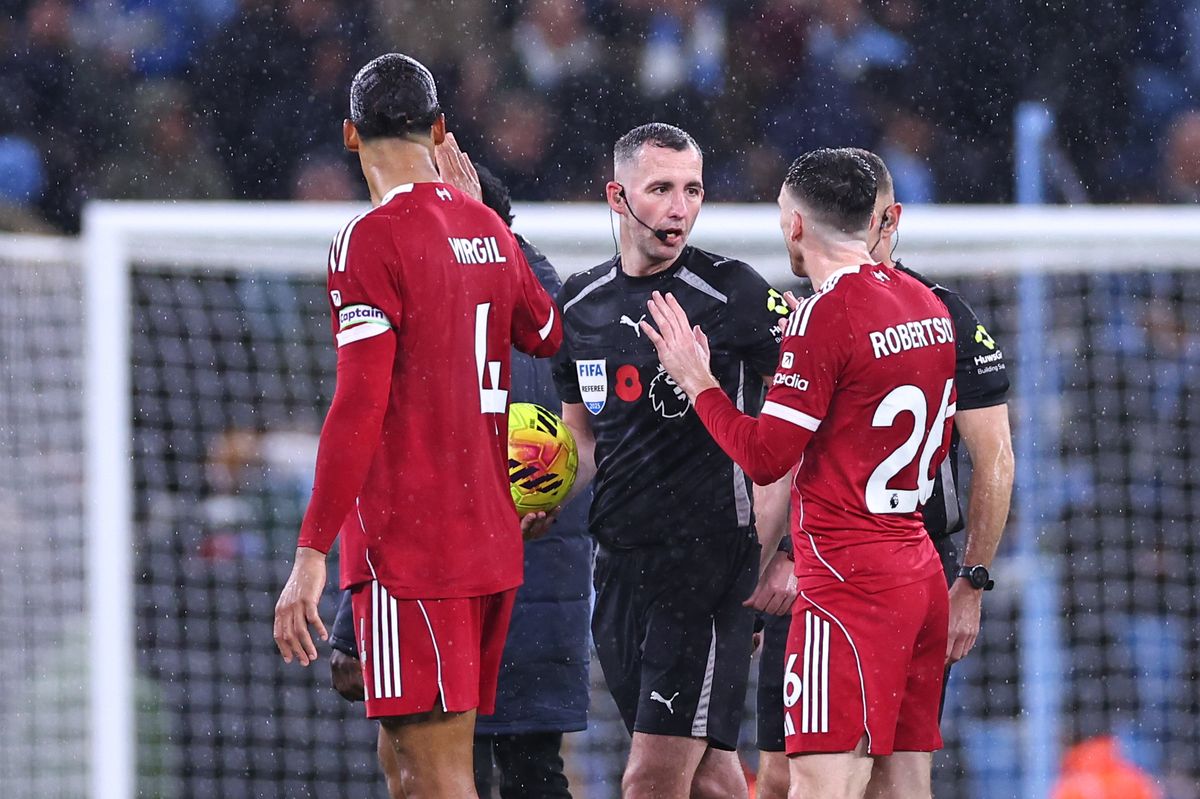
Kavanagh named referee for Liverpool vs City clash after Van Dijk offside row
 Russia