FIFA blames fans in concourses as empty seats embarrass World Cup 2026 openers
FIFA has claimed that visibly empty seats during South Korea's 2-1 win over the Czech Republic in Guadalajara were partly caused by ticketed fans standing in concourses rather than sitting down — an explanation that has done little to quell criticism of the tournament's high ticket prices.
2 min read
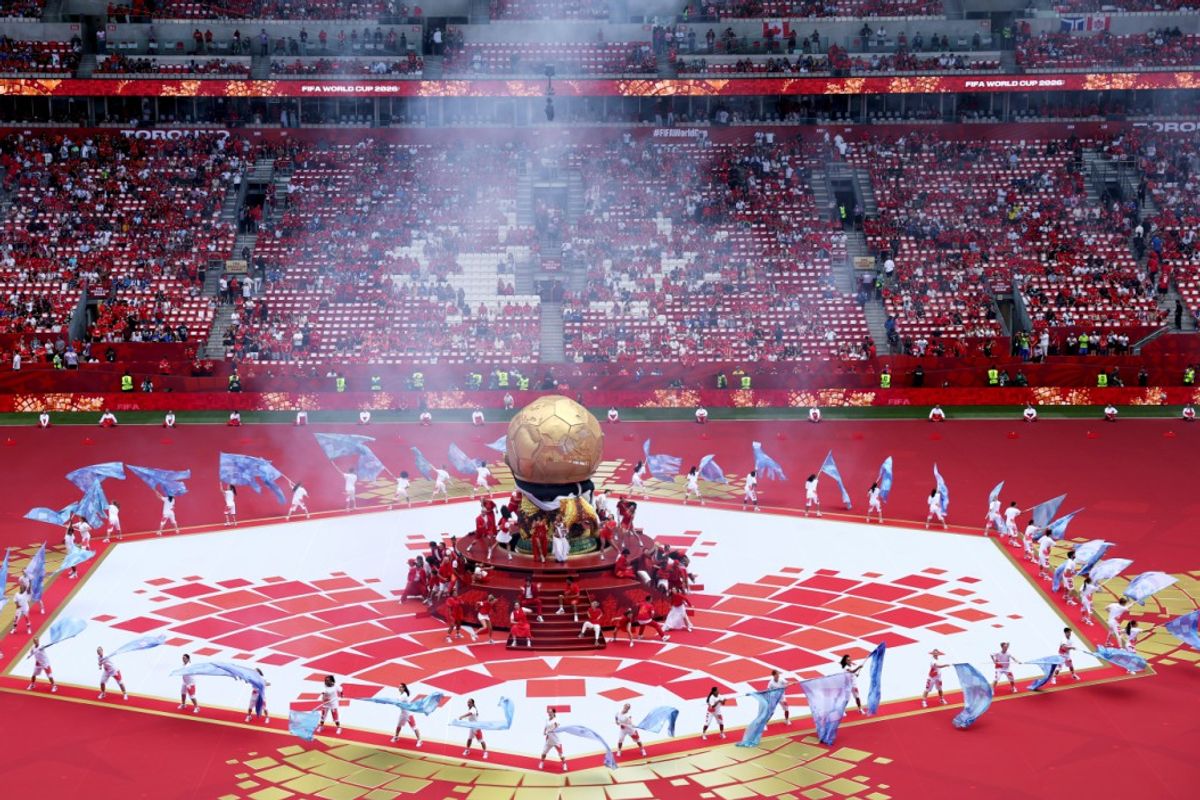
FIFA has issued a statement defending its attendance figures after widespread empty seats during the opening matches of the 2026 World Cup drew sharp criticism, with the governing body suggesting some ticketed fans were standing in concourses rather than occupying their seats.
The second match of the tournament — South Korea’s 2-1 comeback win over the Czech Republic at the Akron Stadium in Guadalajara — was officially recorded at 44,985 spectators, just below the venue’s capacity of 45,664. But the figures were immediately questioned, with large sections of empty seating visible in television coverage and photographs from inside the ground.
In a statement published on social media on Friday night, FIFA said: “Official attendance figures reflect the number of tickets scanned and spectators present within the stadium footprint, rather than visual assessments of seating occupancy at any given moment during the match. Please note that, during last night’s match in Guadalajara, several ticketed fans could be seen standing in concourses rather than staying in their assigned seats throughout the match.”
The explanation has been met with scepticism, given the scale of the empty sections visible during play. Ticket prices for the match were steep by any measure — lower-tier seats cost $500 (£372), upper-tier seats $400 (£298), and VIP packages a staggering $5,000 (£3,727) — and the pricing structure has been widely blamed for deterring ordinary supporters.
FIFA had already moved to address demand concerns before the tournament began. As recently as early June, the organisation quietly reduced prices across all 104 matches and released 70 per cent of its bulk-reserved hotel rooms in what appeared to be a last-minute effort to fill stadiums. Despite those measures, roughly 180,000 tickets remained listed on FIFA’s official resale platform at the time of writing, with around 15,000 group-stage tickets still available directly through the governing body’s own website.
FIFA president Gianni Infantino had defended the pricing strategy at a pre-tournament press conference. “If you sell it at a lower price point, in this particular market it would have gone at much, much, much higher prices — and where would the money go then? To those who organise secondary markets or black market activities, and not to football,” he said. Infantino also argued that the average ticket price across the tournament was below $500 and comparable to other major US sporting events.
The empty-seat controversy arrives at an awkward moment for FIFA, which had publicly celebrated its ticket sales in the build-up to the tournament. With hundreds of tickets still available for several upcoming fixtures, including England’s opening group match, the pressure on the governing body to address affordability concerns is unlikely to ease.
Read also
-
 Football ·
Mourinho keeps Vinícius's place open as Real Madrid seek route back to form
-
 Football ·
PSG beats Le Mans 3-1 but ultra banner inflames Parc des Princes
-
 Football ·
Carrick rejects Redknapp's confidence claim after 10-man Spurs snatch late draw at Old Trafford
-
 Football ·
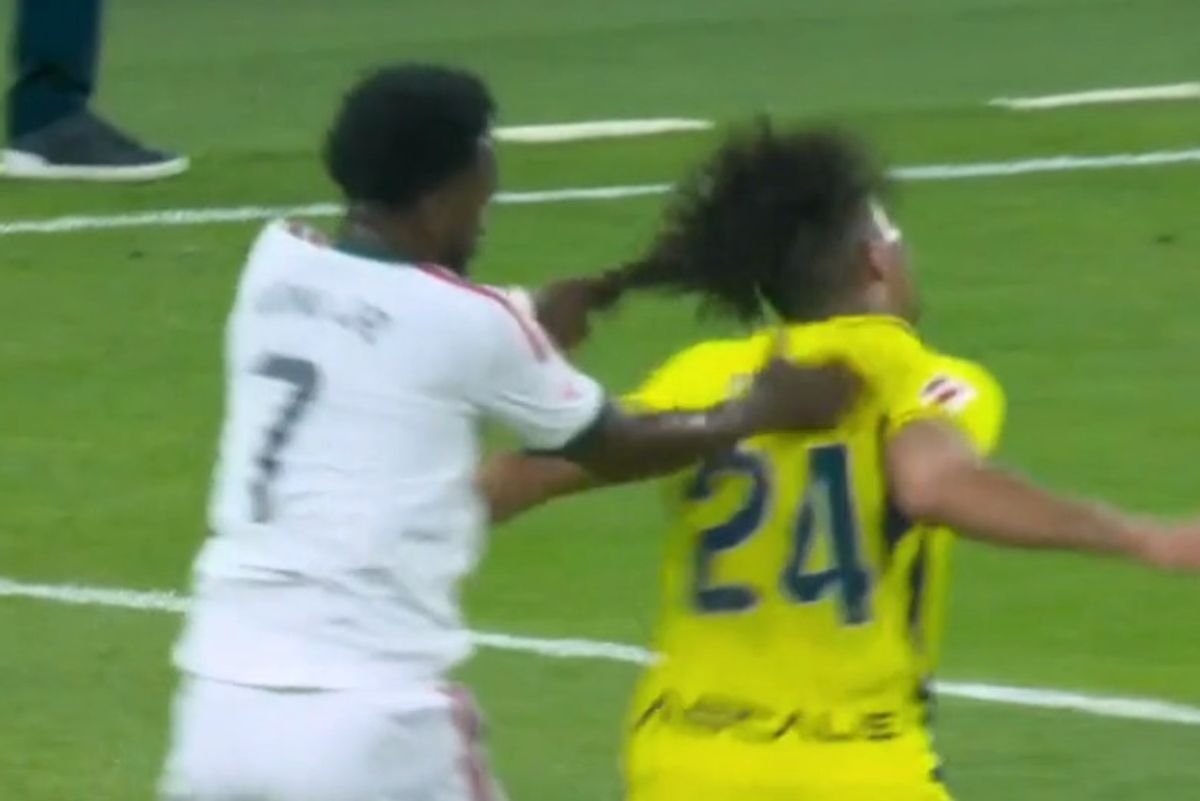
Vinicius Jr sent off for hair pull as VAR wipes out his goal in Real Madrid's win over Villarreal
-
 Football ·
Redknapp savages 'devoid' United after Solanke denies Carrick's side against 10-man Spurs
-
 Football ·
Carrick admits Old Trafford boos 'hurt a lot' after United drop points to Spurs in stoppage time