Fifa bans tactical timeouts and five other rule changes set to reshape World Cup 2026
Fifa referees' chief Pierluigi Collina has revealed six rule changes for this summer's World Cup, headlined by a ban on players rushing to the touchline for coaching instructions while goalkeepers are down injured.
2 min read
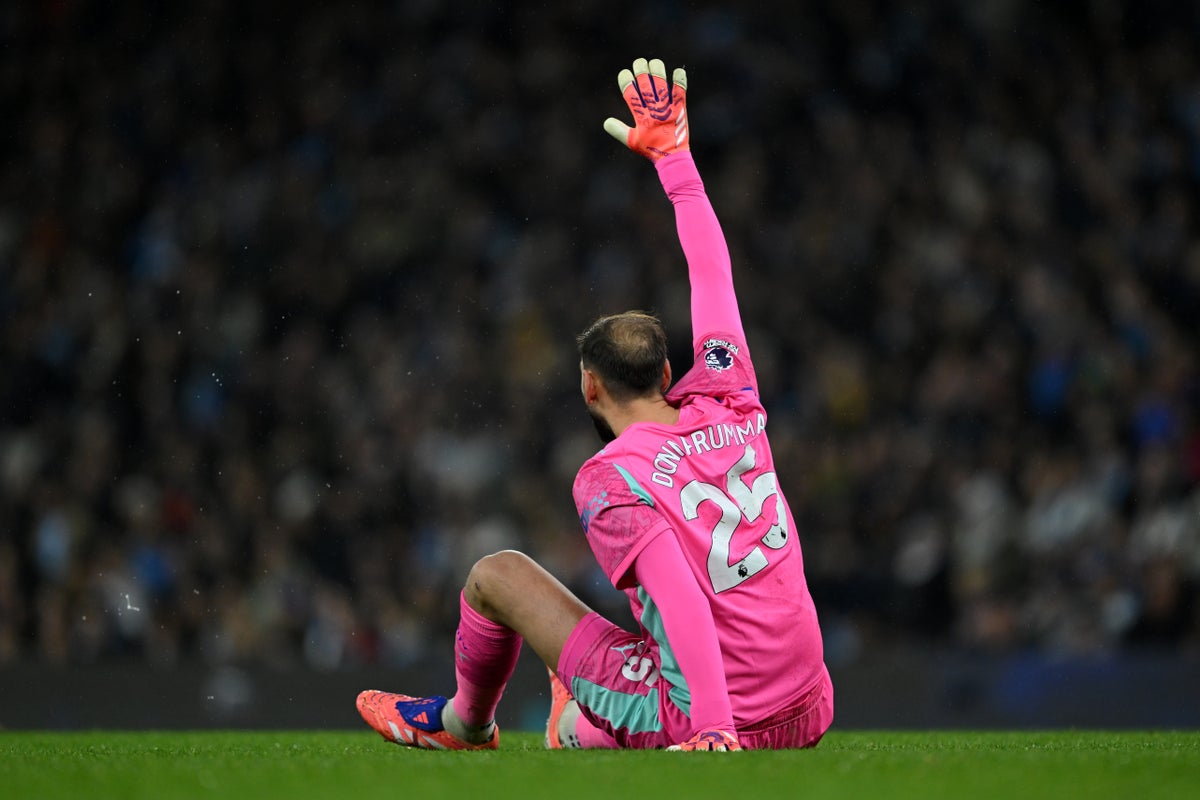
Fifa has confirmed six rule changes for the 2026 World Cup, with the most significant prohibiting players from receiving touchline coaching instructions while their goalkeeper receives treatment on the pitch — a tactic that has drawn widespread criticism across world football.
The so-called ‘tactical timeout’, in which a goalkeeper strategically goes to ground for treatment while outfield team-mates sprint to the touchline for instructions, has been outlawed by the International Football Association Board (Ifab). Under the new rule, when a goalkeeper is injured, all players from both teams must remain on the pitch or gather in the centre circle — they will not be permitted to approach the dugout.
Fifa referees’ chief Pierluigi Collina said officials will take a proactive approach to enforcement, though players who breach the rule will not face yellow cards or disciplinary action. All 48 nations were briefed on the change at a dedicated coaching workshop.
“We had a workshop with all the coaches of all the 48 teams and we told them that referees will be proactive,” Collina explained. “They will not allow the two teams to go to the benches when a goalkeeper is lying on the ground injured. The goalkeeper has the right to be injured, but the players do not have the right to leave the field of play to have a sort of timeout with their respective coaches.”
The practice has been a recurring flashpoint in the Premier League, with one prominent example coming in November when Leeds manager Daniel Farke accused Manchester City goalkeeper Gianluigi Donnarumma of feigning injury to disrupt play and “bend the rules”.
The new measure mirrors a temporary rule already introduced by the NWSL, the women’s professional league in the United States, and leagues worldwide have been invited to run trials during the 2026-27 season to develop a longer-term solution.
Collina acknowledged the rule only partially addresses the problem, since it does not prevent goalkeepers from going to ground simply to break up the opposition’s momentum. He also noted that the World Cup’s hot-weather conditions will see a three-minute hydration break in each half, providing a natural pause that reduces some of the incentive for tactical time-wasting.
“It’s quite weird that there really is only the referee, the physio and the goalkeeper on the field of play,” Collina added. “All the other players leave the pitch, and it is not good.”
The five remaining rule changes, also confirmed by Collina, are primarily aimed at speeding up play and reducing time-wasting more broadly across the tournament.
Read also
-
 Football ·
Pogba hopes Man United reclaim two Premier League titles after Man City found guilty
-
 Football ·
Rooney insists he would not accept a Premier League medal if City titles are stripped
-
 Football ·
Forest Green Rovers to experiment without a manager after Robbie Savage's exit
-
 Football ·
Rooney rejects retrospective Premier League medal even if Man City are stripped of titles
-
 Football ·
Paixao snubs Genesio on the sideline: OM's Brazilian winger's attitude sparks controversy
-
 Football ·
Premier League clubs back City expulsion if financial charges appeal fails

 Andorra W