Fifa bans goalkeeper tactical timeouts among six rule changes for 2026 World Cup
Fifa referees' chief Pierluigi Collina has confirmed that players will no longer be permitted to approach the touchline for coaching instructions when a goalkeeper is receiving treatment, as part of a package of rule changes designed to reduce time-wasting at the 2026 World Cup.
2 min read
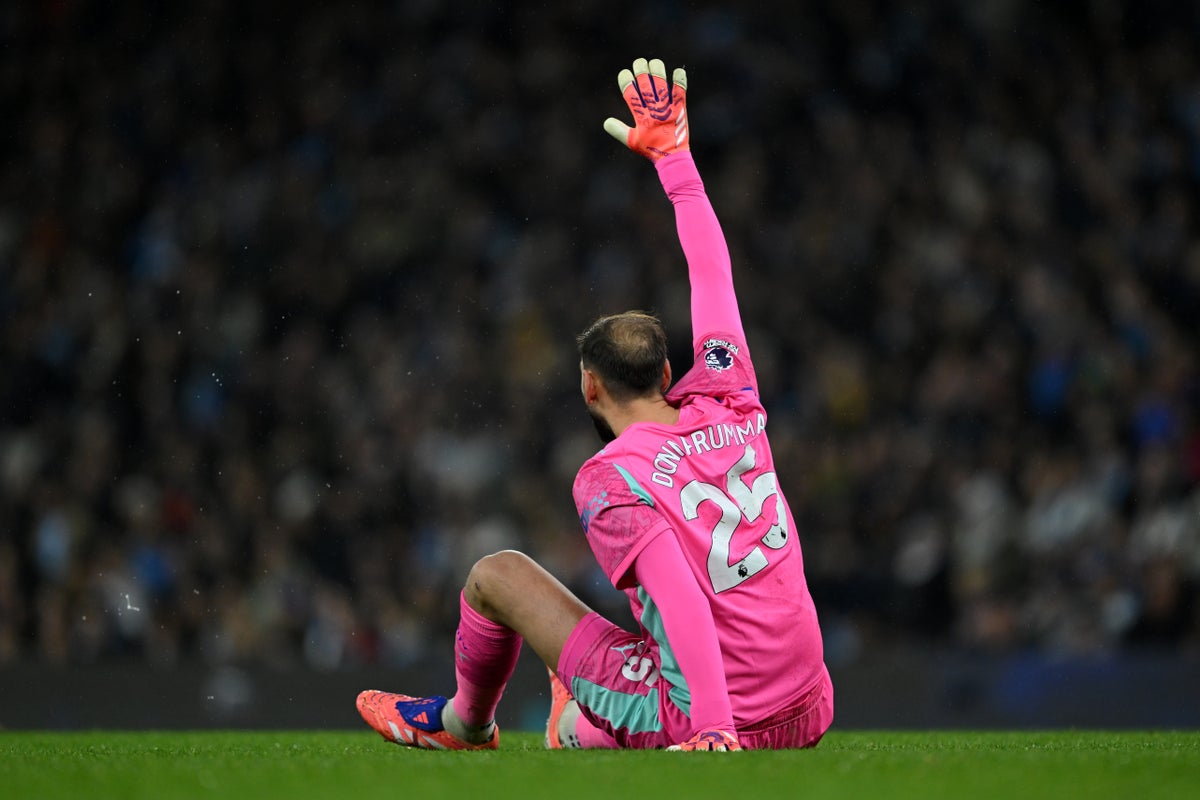
Players will be prohibited from receiving touchline coaching instructions during goalkeeper injury stoppages at the 2026 World Cup, Fifa referees’ chief Pierluigi Collina has confirmed, as part of six rule changes announced ahead of the tournament.
The so-called ‘tactical timeout’ — where a goalkeeper strategically goes to ground for treatment while outfield team-mates sprint to the touchline for instructions from coaching staff — has been formally banned by the International Football Association Board (Ifab). Under the new measure, first trialled by the NWSL in the United States, players from both teams must remain where they are or gather in the centre circle when a goalkeeper is injured, and are not permitted to approach either bench.
The rule gained particular attention in the Premier League last November when Leeds manager Daniel Farke accused Manchester City goalkeeper Gianluigi Donnarumma of feigning injury to “bend the rules” and disrupt play. The incident highlighted how widespread the practice had become across world football.
Collina said referees will take a proactive approach to enforcement. “They will not allow the two teams to go to the benches when a goalkeeper is lying on the ground injured,” he explained. “The goalkeeper has the right to be injured, but the players do not have the right to leave the field of play to have a sort of timeout with their respective coaches.”
No yellow cards or formal disciplinary sanctions will be issued to players who attempt to approach the touchline, though Collina noted that all 48 competing nations were briefed on the new rules at a dedicated coaching workshop. “It’s quite weird that there really is only the referee, the physio and the goalkeeper on the field of play,” he added. “All the other players leave the pitch, and it is not good.”
Critics may argue the measure addresses only part of the problem, since it does nothing to deter goalkeepers from going down purely to break the opposition’s momentum without any genuine injury. The practical impact at the World Cup itself is also complicated by the fact that three-minute hydration breaks will be scheduled in each half due to the heat in the United States, Canada, and Mexico — providing teams with a natural pause for tactical communication regardless.
Leagues worldwide have been invited to run trials of various solutions throughout the 2026-27 season as Ifab seeks a longer-term fix. The five additional rule changes announced by Collina are also primarily aimed at speeding up play and curtailing time-wasting more broadly across the tournament.
Read also
-
 Football ·
Olise sent off for throwing ball at opponent's face, ruling him out of Arsenal clash
-
 Football ·
Martinez blasts United directors after 2-0 Champions League loss to Atletico Madrid
-
 Football ·
10-man Bayern Munich held to 3-3 draw by Norwegian side Viking despite Kane's double
-
 Football ·
Inter stunned at home by Bruges, Bayern held by Viking, Barcelona soars to top
-
 Football ·
Yoro red card and 47-second goal condemn 10-man United to defeat at Atletico
-
 Football ·
Martinez publicly blames United technical director after Champions League exit to Atletico