England's World Cup bid depends on mastering heat and gruelling travel schedule, says former fitness coach
Dr Ben Rosenblatt, England's lead physical performance coach at the 2018 and 2022 World Cups, says the upcoming tournament in the United States will be the most logistically complex yet, with extreme heat, time-zone disruption, and extensive travel all posing serious threats to performance.
2 min read
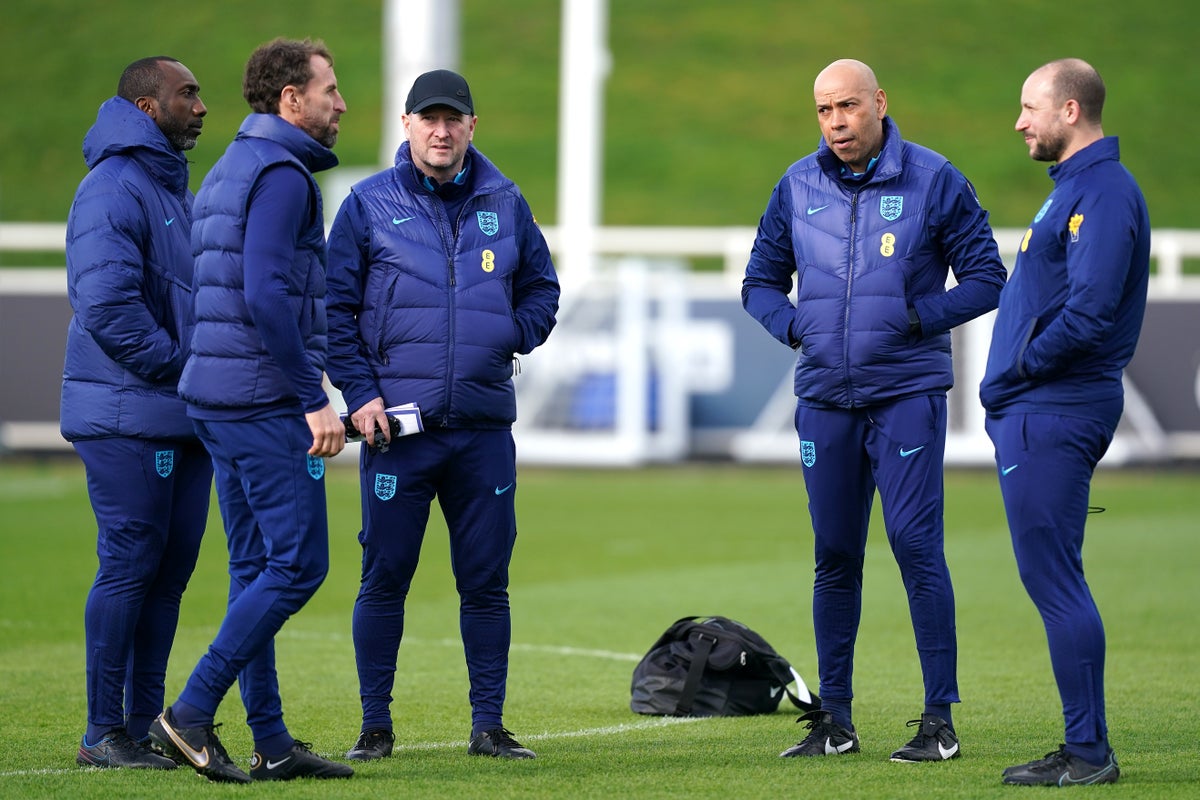
England’s preparations for the 2026 World Cup are already being shaped by the physical demands of competing in the United States, with former squad fitness coach Dr Ben Rosenblatt warning that managing heat, travel, and time-zone disruption will be as important as the football itself. The squad arrived in the US earlier this week and are currently acclimatising in Florida ahead of friendlies against New Zealand and Costa Rica, before relocating to their base in Kansas City.
Rosenblatt, who served as lead physical performance coach under Sir Gareth Southgate from 2016 to 2023, told the Press Association that the key to navigating such a demanding tournament is composure and meticulous planning. “I think if you take the perspective it’s going to be really hard, then it is,” he said. “When I was there, it was always very much, ‘These are the problems to solve’.”
Drawing on his experience of two previous World Cups, Rosenblatt outlined the distinct challenges each tournament presented. He described the 2022 Qatar campaign as physically taxing due to only nine days of preparation time alongside heat acclimatisation demands. Russia 2018, by contrast, offered more preparation time but came with punishing travel schedules. “You were sometimes getting back at 6.30, 7 in the morning and then trying to get some food into the lads,” he recalled. “They’re eating chicken goujons at half six in the morning.”
This summer’s tournament is expected to be the hottest World Cup since the United States last hosted the event in 1994, placing thermal load management at the centre of England’s physical preparation. Rosenblatt, who left his England role three years ago to found 292 Performance, stressed that players respond very differently to extreme heat. “It’s really easy in a team sport to paint the picture of ‘the team will struggle’,” he said. “Inevitably you might have five or six players who are going to absolutely thrive in that environment. You’re going to have two or three who find it a disaster and it could even be dangerous in some ways. Then you’ve got the middle, who will just kind of go one way or the other, based on your preparation.”
Despite the scale of the challenge, Rosenblatt remained measured in his assessment of what gives a squad the best chance of going deep into the tournament. “It’s the team who stays calm and prepares the best, obviously with the right players, that can give you the best opportunity for success,” he said.
Read also
-
 Football ·
Ken Friar, Arsenal life president who shaped the modern club, dies aged 92
-
 Football ·
Scholes questions whether Carrick 'wants out' of Manchester United after poor start
-
 Football ·
Maresca says cheating scandal has been 'more tough' for Man City fans than players
-
 Football ·
Luis Enrique Begins Fourth Season at PSG and Declares His Love for the Club
-
 Football ·
Arsenal mourn life president Ken Friar, who served the club for 70 years, at 92
-
 Football ·
Rooney warns Bruno Fernandes is close to 'explosion' amid Man United's poor run

 Germany W