De la Fuente hits back at Deschamps: "When you lose, you look for excuses"
After France's 2-0 defeat to Spain in the 2026 World Cup semi-final, Didier Deschamps questioned the referee's standard. Luis de la Fuente responded sharply, defending the official and dismissing claims of bias.
1 min read
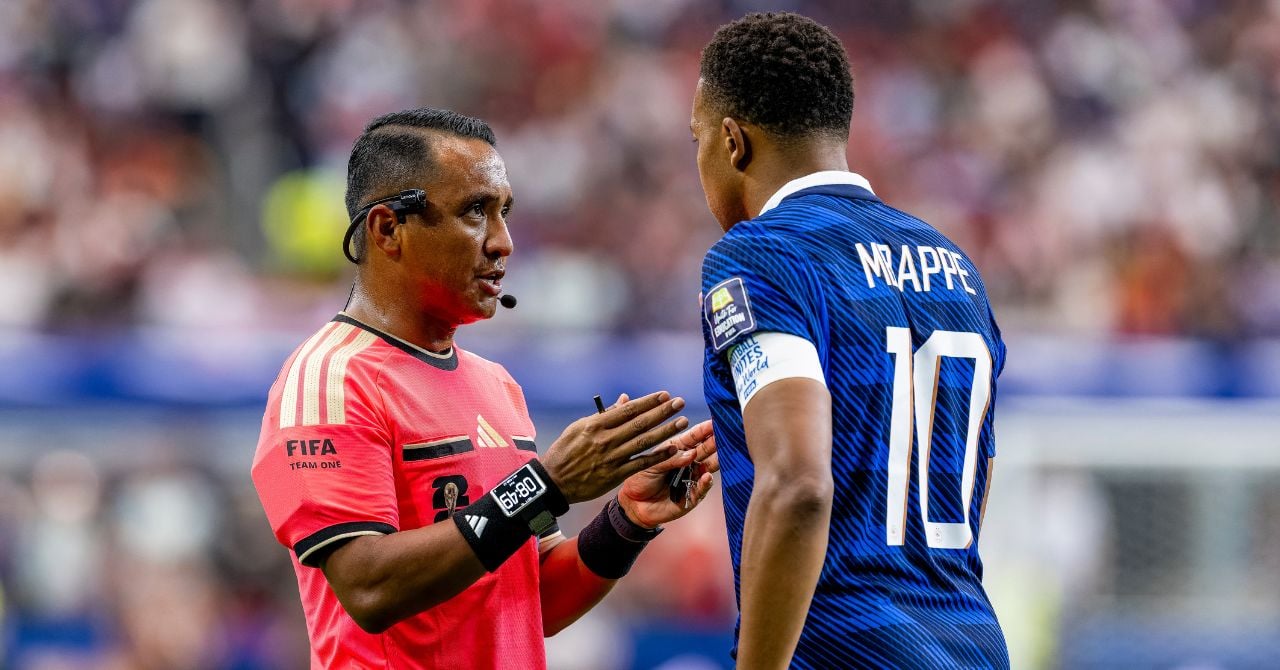
France are eliminated from the 2026 World Cup following a 2-0 defeat to Spain in the semi-final, and the refereeing controversy quickly overshadowed the sporting analysis. At a press conference, Didier Deschamps openly questioned the referee’s standard: “Does the referee have the level to officiate a World Cup semi-final?” the French manager said, clarifying that his grievances extended beyond just that evening’s defeat.
Luis de la Fuente was quick to respond. Asked after Spain’s qualification for the final, the Spanish manager replied with cutting frankness: “When the result escapes you, you often look for excuses.” A direct jab at his counterpart that did not fail to provoke reaction.
De la Fuente then defended the referee, recalling that his team had also suffered contested decisions since the start of the competition, notably against Uruguay. He also pointed out that a Spanish goal had been disallowed for offside during that semi-final. “I don’t believe the referee favoured one team,” he stated, dismissing any suggestion of bias.
On the sporting front, Deschamps himself had acknowledged Spain’s superiority, with La Roja dominating proceedings in every area of the pitch. Spain therefore qualify for the 2026 World Cup final, while the Blues, who were targeting a third consecutive final, go home empty-handed. The refereeing controversy is nonetheless likely to fuel debate well beyond the final whistle.
Read also
-
 Football ·
Haaland not pushing for Arsenal move despite Man City's financial breach verdict
-
 Football ·
Olise snatches France win in Brussels as Italy demolish Turkey 4-1 under Mancini
-
 Football ·
Olise snatches victory for France in Brussels, Zidane lets joy burst out
-
 Football ·
Da Cunha stuns on France debut: "I was in the second division just a few years ago"
-
 Football ·
Ferdinand urges Manchester United to stand firm as 15-year-old Gabriel demands exit
-
 Football ·
Joe Hart backs Man City chairman and insists 'I know what we did' amid charges uncertainty

 Tajikistan