Cavan Sullivan, 16, becomes youngest USMNT debutant since Freddy Adu in 2006
Cavan Sullivan started for the United States men's national team against Peru on Saturday aged 16, becoming the youngest player to represent the Stars and Stripes since Freddy Adu earned his first cap in January 2006.
1 min read
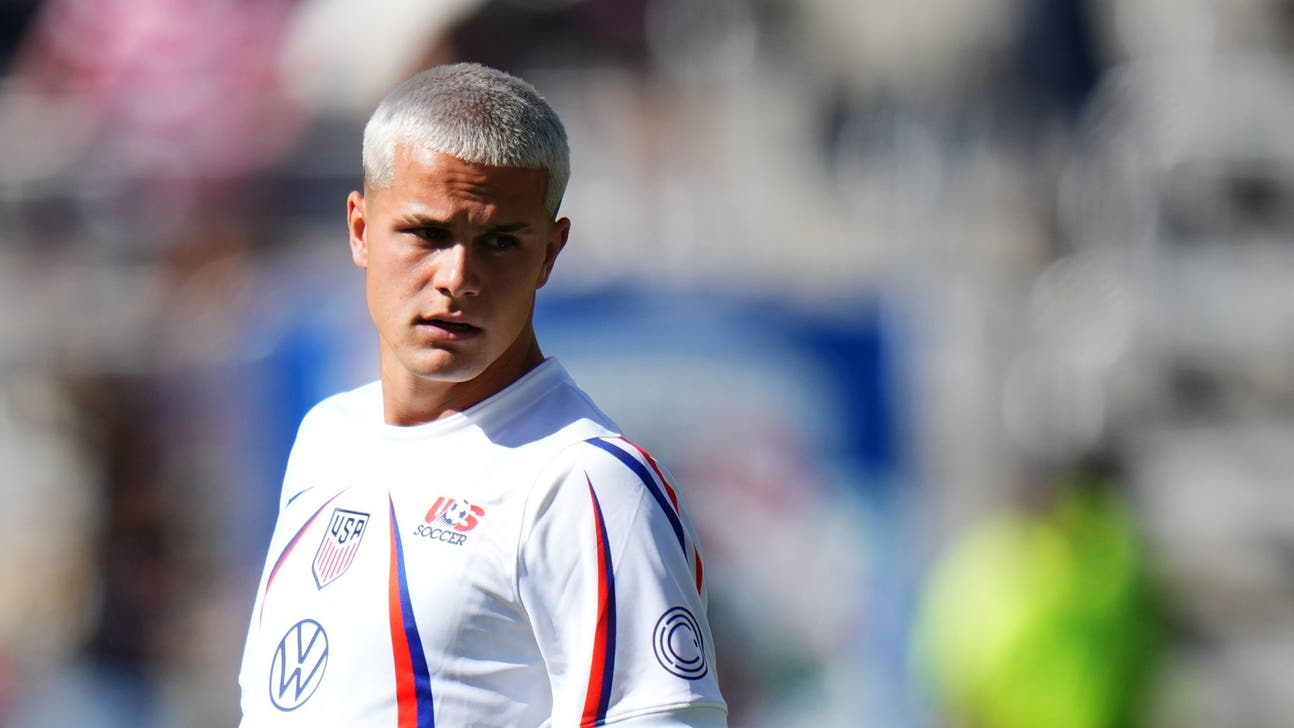
Cavan Sullivan became the youngest player to represent the United States men’s national team since Freddy Adu when he started Saturday’s friendly against Peru at 16 years and 362 days old — the fourth-youngest debutant in USMNT history.
Sullivan, who turns 17 on Monday, enters the record books just behind Adu, who was 16 years and 234 days when he faced Canada in January 2006. The Philadelphia Union midfielder had already rewritten the history books domestically, breaking Adu’s record as the youngest player to appear in a league match for a major men’s professional sports league in the United States and Canada.
The teenager has been one of MLS’s most eye-catching prospects since breaking into the Union first team at 14. This season he has contributed seven goals and 12 assists across 26 appearances for Philadelphia, numbers that would be impressive for a player of any age.
Sullivan has a pre-signed contract with Premier League club Manchester City that is set to take effect when he turns 18 in 2027, giving him two more seasons to develop in MLS before making the move to Europe.
With USMNT head coach Mauricio Pochettino now having handed Sullivan his senior debut, the teenager is expected to remain a fixture in the national team setup for years ahead. The 2027 CONCACAF Gold Cup represents the next major milestone on his international horizon, with the 2030 World Cup a longer-term target for a player whose career is only just beginning.
Read also
-
 Football ·
Mbappé limps out of France duty with knee hyperextension after record goal
-
 Football ·
Oyarzabal haunts England again as Spain rally from 2-1 down to extend unbeaten run to 39
-
 Football ·
Spain Stuns England at Wembley Despite Kane's Missed Penalty
-
 Football ·
Tuchel shuts down reporter's Gordon question after England's 3-2 Nations League defeat to Spain
-
 Football ·
Garnacho breaks duck in Villa friendly but faces battle to earn Emery's trust
-
 Football ·
Muscle injury for Gouiri, OM accumulates absences during international break
 Canada