Arsenal's Emirates Stadium expansion to cost more than the original £390m build
Arsenal are planning to add around 20,000 seats to the Emirates Stadium's current 60,704 capacity at an estimated cost of £500m — exceeding the £390m it cost to build the ground in 2006. Owner Stan Kroenke has spoken publicly about the project, with chief executive Richard Garlick leading talks.
2 min read
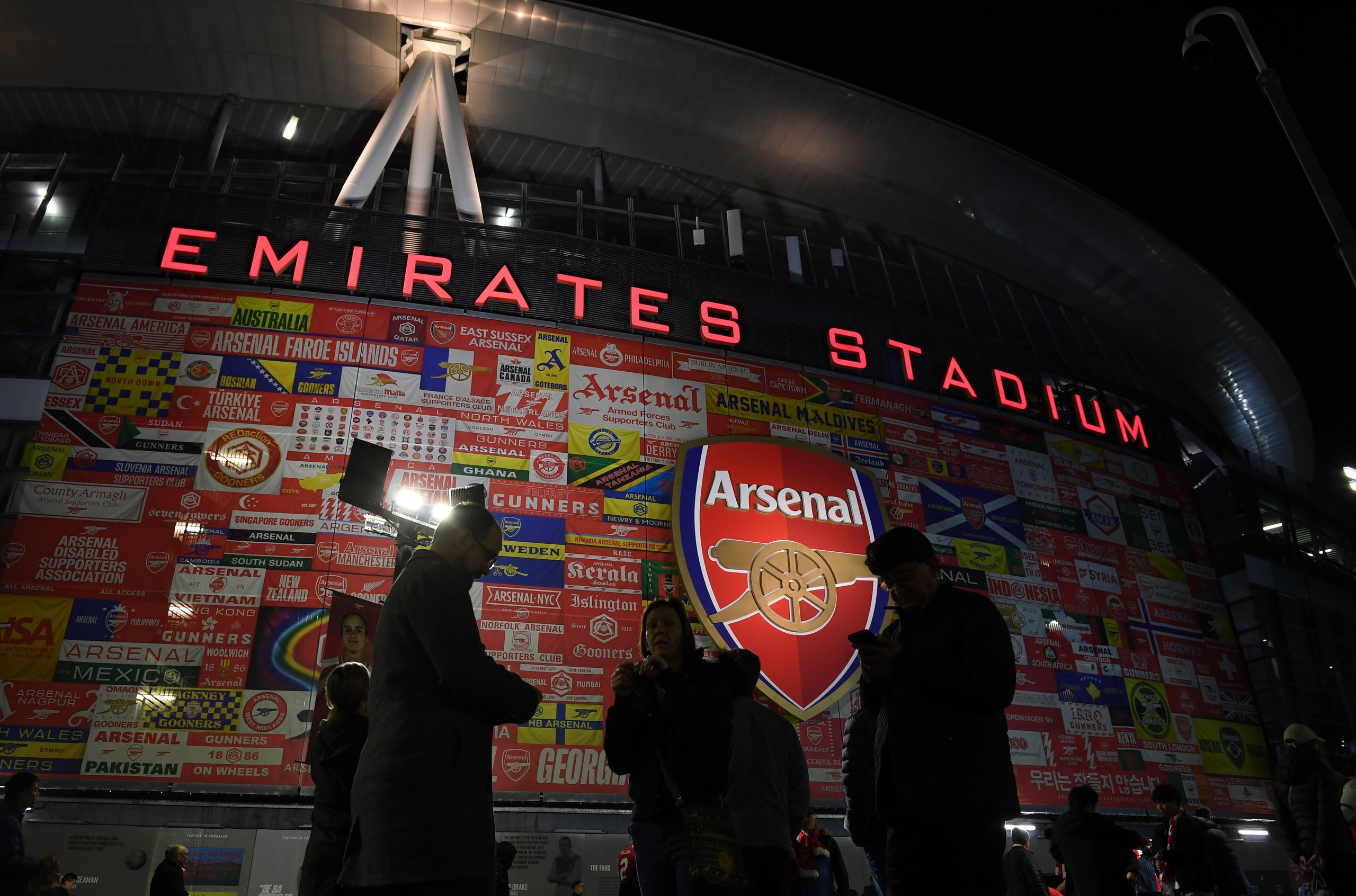
Arsenal are planning a £500m expansion of the Emirates Stadium that would add approximately 20,000 seats to the ground’s current official capacity of 60,704 — a project whose estimated cost surpasses the £390m spent constructing the stadium in the first place.
The club moved to the Emirates from Highbury in 2006, and the ground was considered a benchmark for modern stadium design at the time. Nearly two decades on, however, Arsenal believe significant investment is needed to keep the venue competitive — both as a matchday destination and as a venue for conferences, concerts, and combat sports events.
Owner Stan Kroenke recently addressed the planned renovations. “There’s some character that I want to make sure we’re preserving and bringing back to the ground as well,” he said. “I think we can do that in a very elegant manner that’s really to the benefit of Arsenal. We do this stuff in the States in our facilities and our teams. We take great pride in it so I think we have a chance to come over and really give the Arsenal supporters an elevated matchday experience from where they are right now.”
No formal planning permission has yet been granted, but Josh Kroenke has confirmed that talks are underway, led by chief executive Richard Garlick. With 100,000 fans currently sitting on a season ticket waiting list following Arsenal’s Premier League title triumph, the club views expansion as a significant future revenue opportunity.
The high cost is largely a consequence of how the Emirates was originally designed. Built to fit a tight and specific floorplan, the stadium was never intended to be expanded, meaning space was optimised for efficiency rather than future redevelopment. That engineering reality makes adding seats far from straightforward.
The two main options under consideration each carry substantial structural challenges. The first is adding an extra tier on top of the existing stands, which would require extensive structural work and the removal of the current roof during construction. The second is lowering the pitch into the ground to create additional seating rows beneath the current lower tier — a solution that brings its own considerable engineering complexity.
The scale of the challenge is compounded by the competitive landscape the Emirates now faces. What was cutting-edge in 2006 has since been overtaken by newer developments — most notably Tottenham Hotspur’s stadium, located less than four miles away, which opened in 2019 and set a new standard for multi-use arena facilities in English football.
Read also
-
 Football ·
PSG vs Manchester City in Champions League: Doué starts, major surprise in Paris lineup
-
 Football ·
Vinicius Jr handed four-game ban to miss El Clasico after Villarreal red card
-
 Football ·
Barcola ends drought with brace for Liverpool against LASK in Champions League
-
 Football ·
Guardiola returns to Etihad as City face PSG amid 114-charge guilty verdict
-
 Football ·
Guardiola returns to Etihad as Man City host PSG in first game since guilty verdict
-
 Football ·
Martinez blasts United hierarchy after Champions League loss, Merson hits back