24 goals in knockout stages since 2018: the stat that puts France ahead of six nations combined
After their 3-0 victory over Sweden in the 2026 World Cup, France have scored 24 goals in nine knockout matches since 2018 — more than England, Portugal, Germany, the Netherlands, Spain and Italy combined.
1 min read
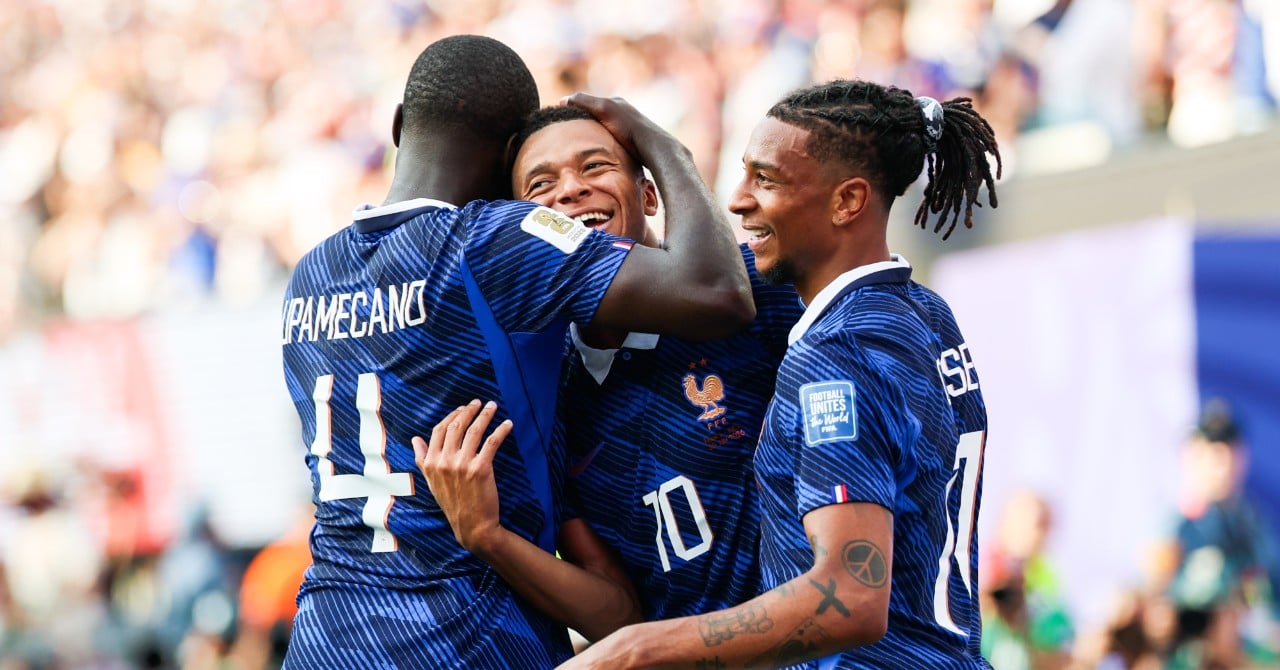
France defeated Sweden 3-0 in the knockout stage of the 2026 World Cup, bringing to 24 the number of goals scored by the Blues in nine knockout matches since the 2018 edition — a total higher than that of England, Portugal, Germany, the Netherlands, Spain and Italy combined over the same period.
The statistic, noted by journalist Colin Millar after the match, illustrates a rare consistency at the highest level. With four World Cup finals in the last seven editions, France has established itself as the most consistent European nation in the decisive stages of the tournament.
The gap with its neighbours is explained in part by the difficulties faced by these major nations: failures to qualify, early eliminations or periods of underperformance over several successive editions. Meanwhile, less “historic” selections like Belgium, Croatia or Morocco made their way into the final stages, reshuffling world football’s cards.
Kylian Mbappé embodies this French dominance in the knockout stage on his own. The Blues captain now has 10 goals in knockout matches since 2018 — a figure that none of the six nations mentioned reaches collectively over the same sequence.
There remain four matches to play to go all the way in the tournament. France, solid and prolific, approaches the rest with the credentials of a favourite, though the title is not yet secured.
Read also
-
 Football ·
Koundé sidelined at club and country, a double demotion that raises questions
-
 Football ·
Man City's 115-charges appeal could take years to resolve, leading barrister warns
-
 Football ·
Keating error gifts Zigiotti Olme lob as Manchester United beat Liverpool in WSL
-
 Football ·
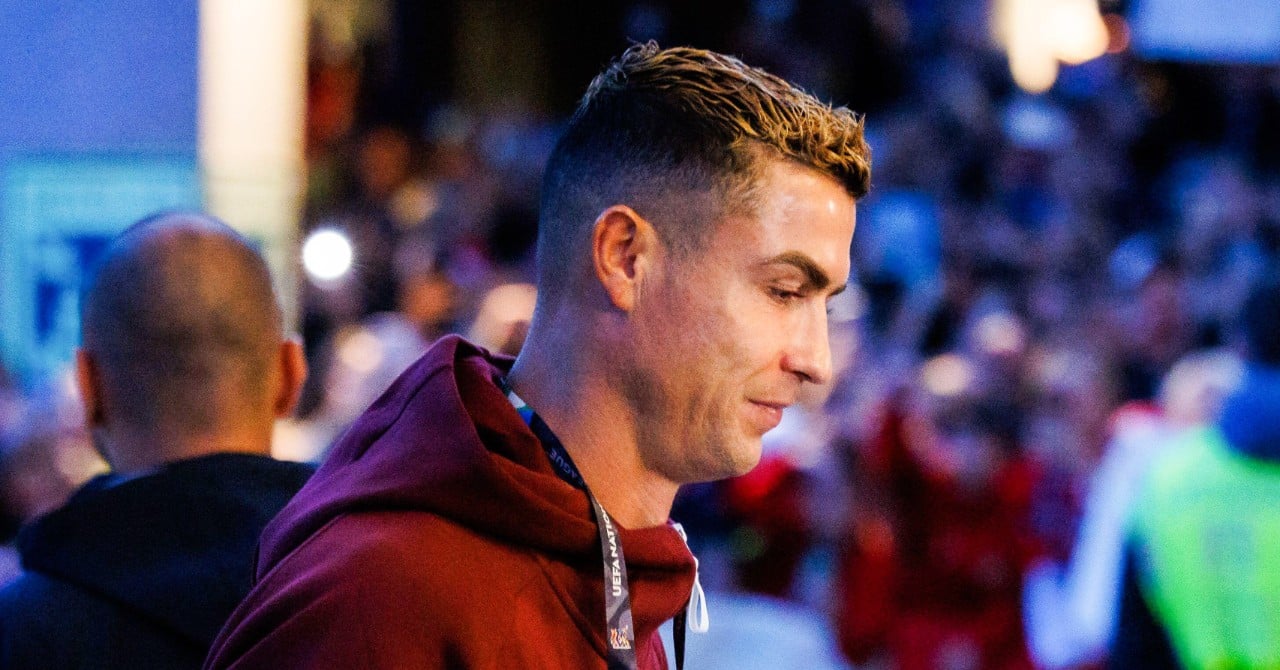
Ronaldo publicly endorses his supporters and reignites Portugal crisis
-
 Football ·
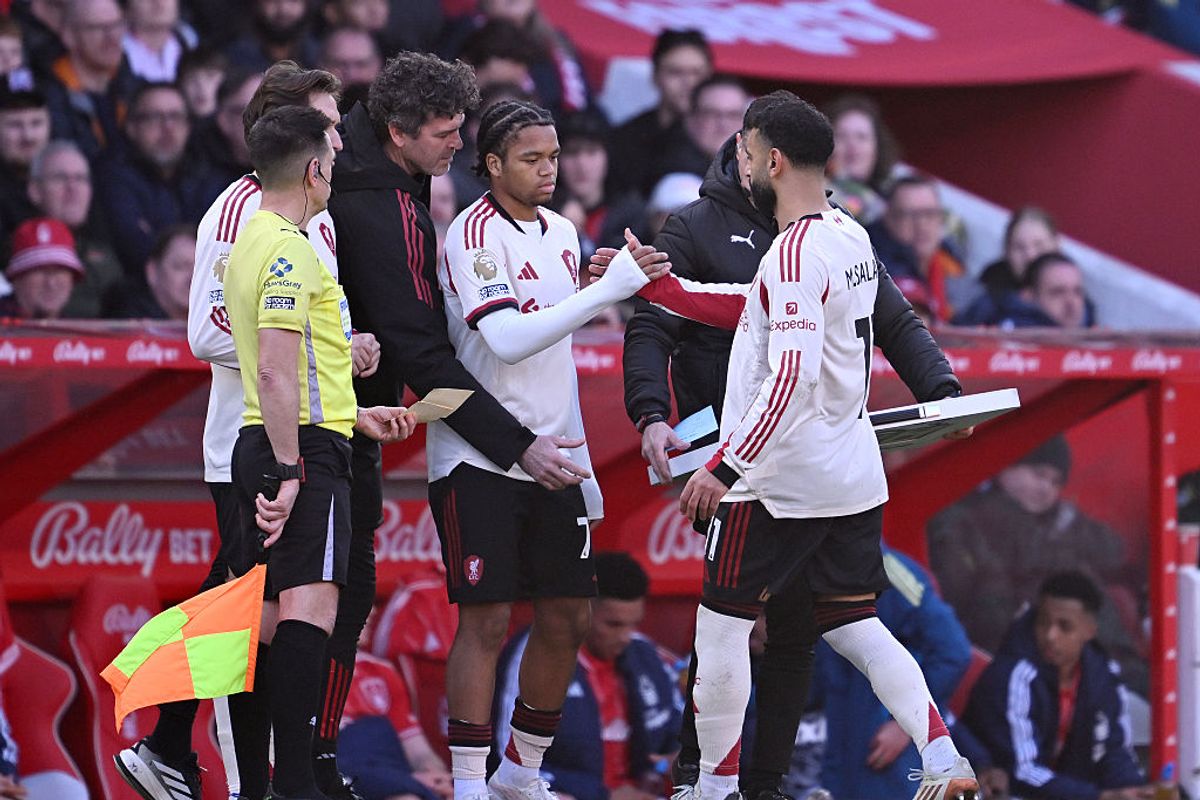
Ngumoha reveals Salah's parting advice to him before leaving Liverpool
-
 Football ·
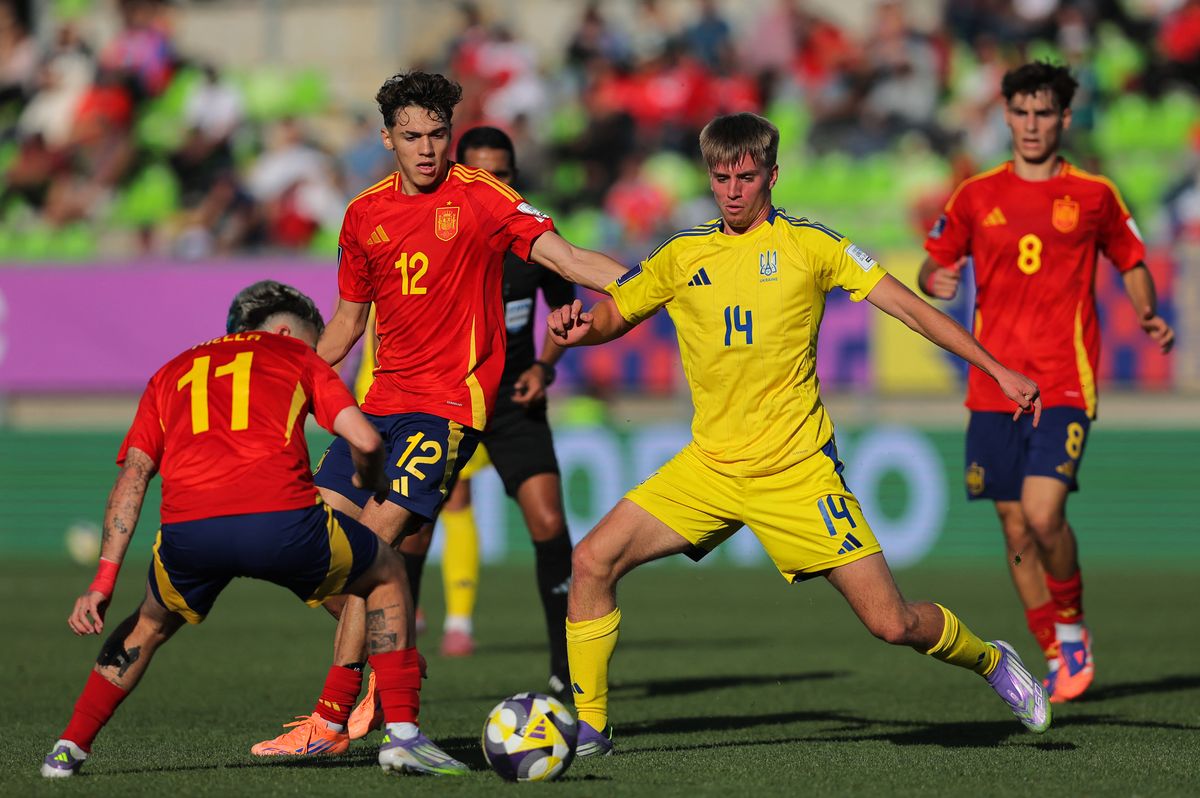
Shevchenko's son drops to seventh tier with Sholing after Chelsea and Tottenham exits
 Canada