Thierry Henry unwittingly caught up in Booba-Sinik feud revival after 19 years
Rapper Sinik reignited his long-standing clash with Booba by releasing "Carton rouge", a track in which he pays tribute to Thierry Henry, a native of Les Ulis like himself — a reference already used by Booba in 2007.
1 min read
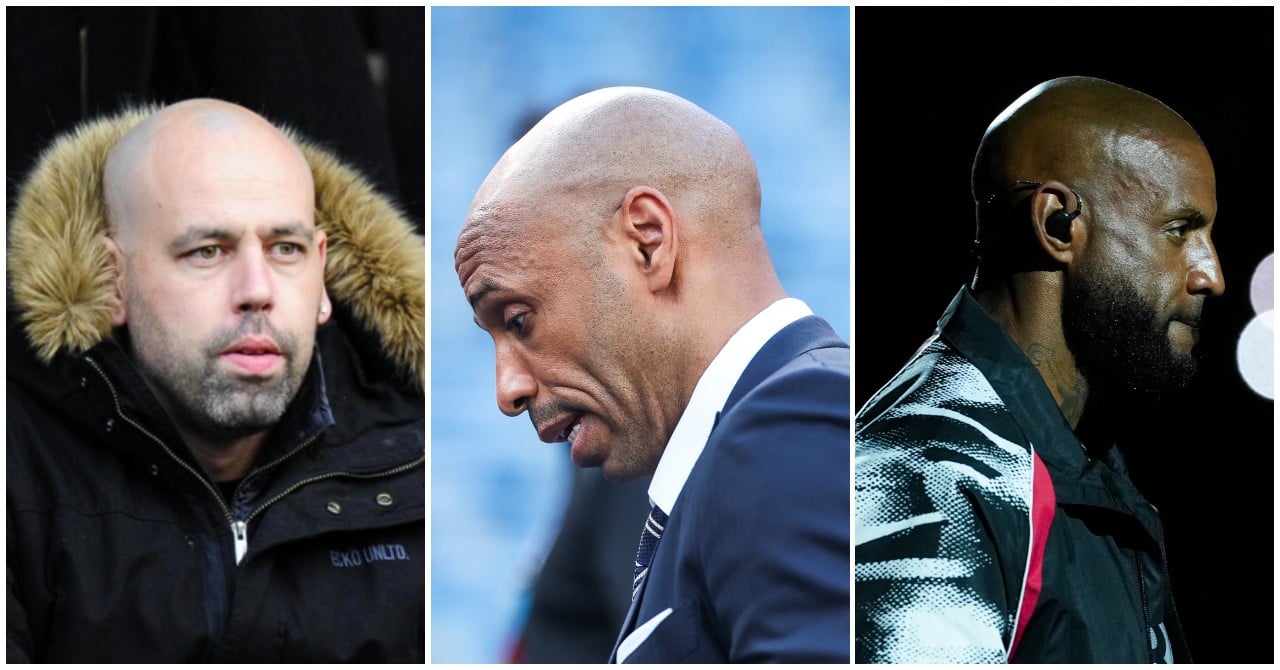
Thierry Henry finds himself involuntarily at the heart of a musical settling of scores nearly twenty years old. On Wednesday, rapper Sinik released Carton rouge, a 28-bar track without a chorus that reignites his clash with Booba, which began in 2006.
From the opening seconds of the track, Sinik drops: “I’m from Les Ulis, hello to Titi”. The reference to Thierry Henry is not incidental: the former Arsenal striker was born in this town in Essonne, where he grew up in the Bosquet housing estate before taking his first steps at CO Les Ulis. Sinik, who also came through this municipality, uses it to anchor his response geographically.
But the jab goes further than a simple local nod. In 2007, Booba had already used the same register in Carton rose, his reply to an earlier Carton jaune by Sinik: “You’re from Les Ulis, like Titi, I hope you run as fast”. By using the same image nineteen years later, Sinik turns the argument against his rival.
At the time of the first exchange, both artists were among the most bankable names in French rap. Booba has since maintained his presence at the top of the genre, notably by multiplying public clashes. Sinik, on the other hand, has not recovered the commercial success he enjoyed in the late 2000s. The release of Carton rouge therefore also marks a return to the spotlight for the 46-year-old rapper, who chooses to reopen this file on his own terms.
Read also
-
 Football ·
Man City face appeal deadline as Etihad rejects findings and new evidence claim emerges
-
 Football ·
Wayne and Coleen Rooney reveal eight-year-old Cass's tears after Everton academy release
-
 Football ·
Deschamps declines conferences and consultant role to prepare his comeback
-
 Football ·
Benzema and Mahrez on Getafe's radar, but their salaries block any progress
-
 Football ·
Ronaldo Walks Out of Portugal Camp After Clash With Jorge Jesus
-
 Football ·
Thierry Henry joins Pirès' jubilee in Metz with Drogba, Eto'o and Wenger

 Venezuela U17