Sainz reaches Q3 in Baku as Williams' new chassis delivers its best qualifying result of 2026
A brand-new, lighter chassis introduced at the Azerbaijan Grand Prix lifted Carlos Sainz to ninth in Q2 and Q3, Williams' strongest qualifying performance of the season — though Sainz himself cautioned that the Baku street circuit may have flattered the upgrade.
2 min read
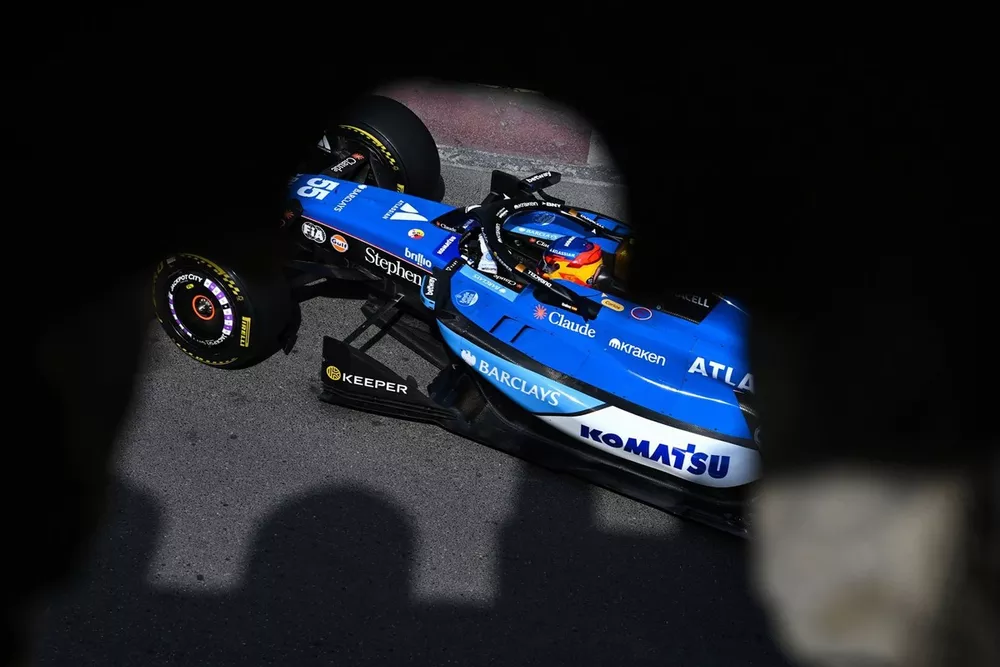
Carlos Sainz qualified ninth at the Azerbaijan Grand Prix on Saturday, giving Williams its best qualifying result of the 2026 Formula 1 season after the team introduced a significantly lighter chassis in Baku. The Spaniard progressed through all three segments, finishing 11th in Q1 before placing ninth in both Q2 and Q3 — comfortably surpassing the team’s previous high-water marks of Sainz’s 10th in Montreal sprint qualifying and Alex Albon’s 11th in Monaco.
The performance comes after Williams’ 2026 car was widely reported to be overweight following Formula 1’s switch to a new technical ruleset, a problem the new chassis was designed to address. Yet Sainz was quick to temper expectations after qualifying, suggesting the result owed as much to circumstance as to raw pace.
“I knew this track would suit us. I knew that with an upgrade maybe we could fight for better positions than recently. But the reality, and if I’m very honest with you, I think Q3 is a bit of an overachievement,” Sainz said. “Today as a team we nailed the tyre strategy, we nailed the run plan; I nailed the laps, honestly. I’ve done some serious laps today, on the limit.”
Albon qualified 13th and echoed his team-mate’s caution, pointing to the unique nature of the Baku street circuit — a layout almost entirely devoid of high-speed corners — as a factor that naturally suits Williams’ current package. “What will be interesting to us is, in my opinion, this track is the best track for our car of the season,” he said. “I want to see in Malaysia and Singapore — longer corners, corners that we don’t normally like — how it goes.”
Albon also attributed his own gap to Sainz partly to being “just slow on the straights”, an issue he said he could not fully explain.
Sainz reinforced the point that the upgrade’s benefits are primarily about weight reduction and a modest increase in downforce, rather than a fundamental fix to the car’s underlying character. “The car hasn’t changed in feel, it’s just quicker,” he said. “We have underlying balance issues that we need to work on for next year’s car, that will not go away until we redesign the car. So we’re just working with a car that, both Alex and I, we are not loving so far.”
Williams has not scored a championship point since Monaco, making the Baku result a rare bright spot in a difficult campaign. Albon praised the scale of the engineering effort involved — “That’s normally a big project, a six-month project for most teams” — and noted that completing the new chassis would now free up resource for aerodynamic development on the 2027 car. Both drivers identified next week’s Malaysian Grand Prix at Sepang as the true test of where the upgrade leaves Williams in the competitive order.
Read also
-
 Formula 1 ·
Domenicali says F1 is closing in on 1 billion fans as female audience hits 40% of new growth
-
 Formula 1 ·
Ocon vents frustration after yellow flags deny him first Q3 of 2026 in Baku
-
 Formula 1 ·
Sainz drops from ninth to 14th on Azerbaijan grid after yellow flag breach in Q3
-
 Formula 1 ·
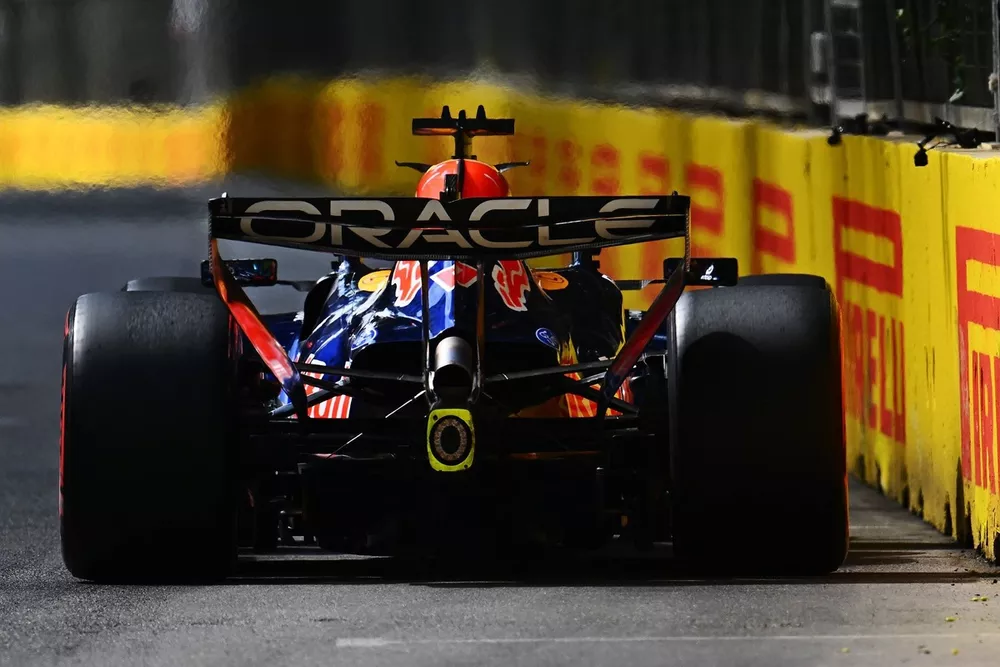
Verstappen reveals ICE failure cost him half a second per lap in Baku qualifying
-
 Formula 1 ·
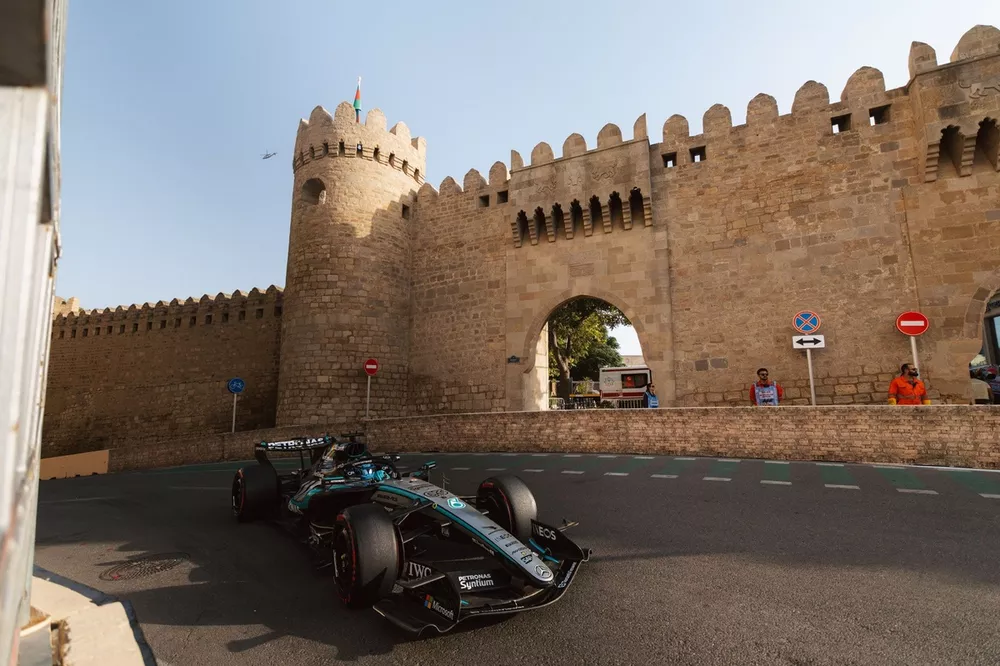
Russell takes Azerbaijan GP pole as Verstappen and Antonelli both struck by qualifying trouble
-
 Formula 1 ·
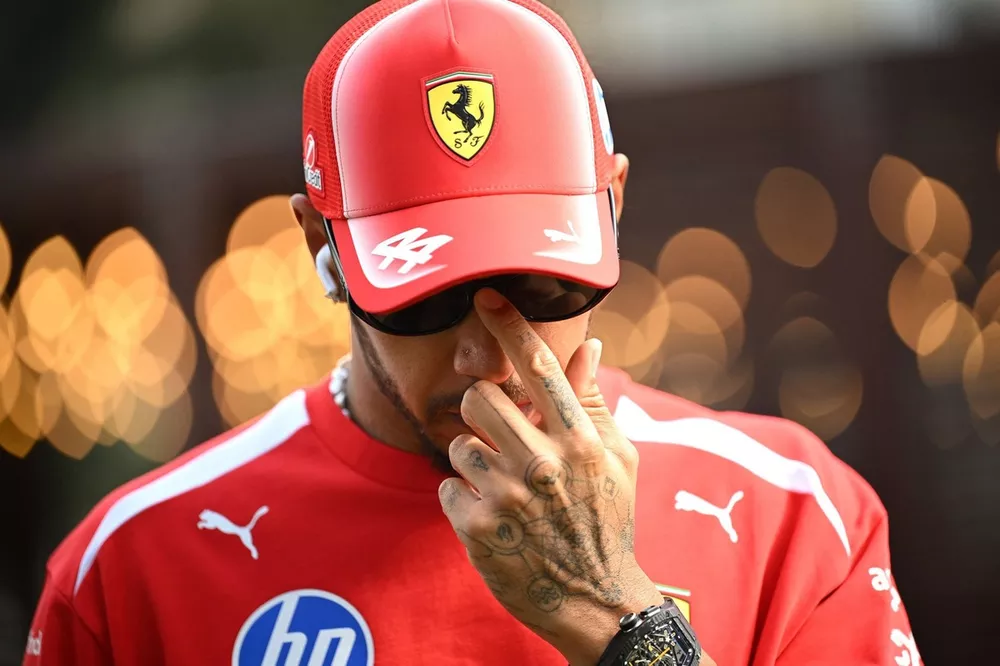
Hamilton towed Leclerc throughout Q3 as Ferrari strategy call leaves him sixth in Baku