Record salary cap of €832M: Real Madrid dominates La Liga for 2026-2027
La Liga has published its official salary caps for the 2026-2027 season. Real Madrid leads by a wide margin with €832 million authorized, far ahead of FC Barcelona (€582M) and Atlético de Madrid (€361M).
1 min read
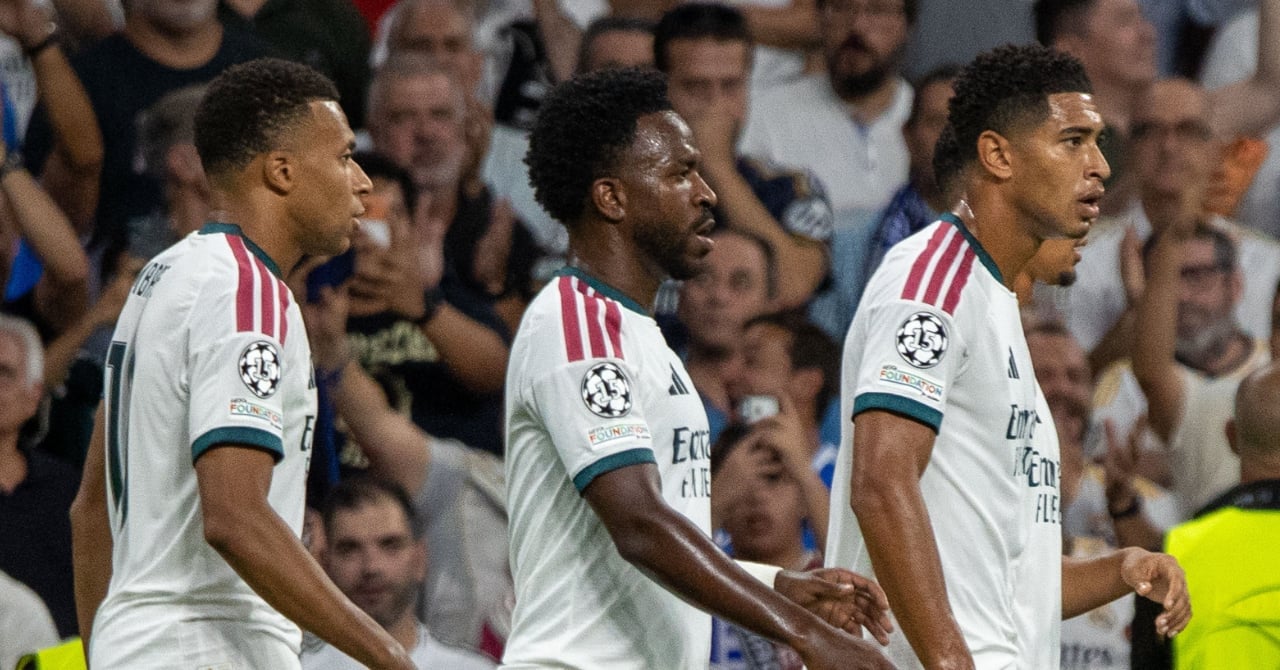
Real Madrid has a salary cap of €832 million for the 2026-2027 season, an all-time record in La Liga. Spanish football league officials published the figures on Thursday, confirming the considerable gap between Florentino Perez’s club and the rest of the championship.
FC Barcelona occupies second place with €582 million, a notable increase compared to the last winter transfer window of 2025-2026, when the Catalan club was limited to €432 million. This rise is mainly explained by the reduction of structural expenses outside sport and by revenue generated from the sale of VIP boxes at the new Camp Nou.
Atlético de Madrid completes the podium with €361 million, a significantly lower amount than its two Madrid and Catalan rivals. The gap between the three heavyweights and the rest of La Liga is striking: Sevilla FC closes the ranking of top-flight clubs with only €20 million authorized.
Among other findings from this ranking, Deportivo La Corogne, promoted this season, benefits from a cap set at €64 million, an amount higher than that of several clubs already established in La Liga the previous season.
This squad spending cap, calculated annually by La Liga, determines what a club can spend on its players, first-team technical staff, reserve teams and training center. The calculation incorporates budgeted revenue — ticket sales, subscriptions, sponsorship — from which non-sporting expenses, debt repayment and losses recorded in the previous season are deducted.
Read also
-
 Football ·
Sesko's clinical finish reminds Carrick he has a natural number nine as United ease past Sabah 4-0
-
 Football ·
Baturina scores Como's first-ever Champions League goal against Leipzig
-
 Football ·
Pablo Pagis, Third Potential Surprise in Zidane's First France Squad
-
 Football ·
France eyes 2038 World Cup bid, Diallo confirms talks
-
 Football ·
Clearlake close to buying out Boehly and Walter as Chelsea ownership era nears end
-
 Football ·
Hat-trick record-breaker JJ Gabriel deletes Instagram as United first-team debut looms
 England U20 W