Big Six clubs block Premier League plan to raise £550m in shared commercial rights
Arsenal, Chelsea, Liverpool, Manchester City, Manchester United and Tottenham are opposing a Premier League proposal to pool additional commercial rights, a move the league believes could lift annual commercial revenue from £200m to £750m.
2 min read
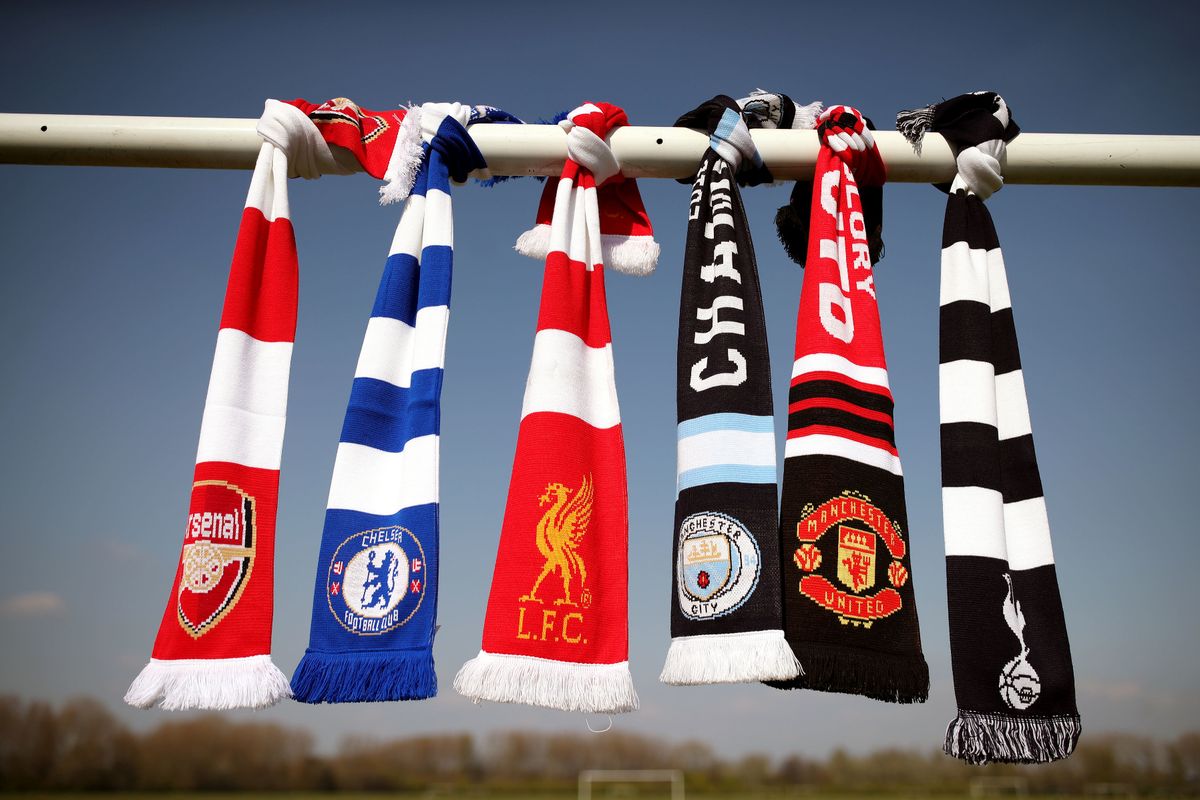
Arsenal, Chelsea, Liverpool, Manchester City, Manchester United and Tottenham are resisting a Premier League proposal that the league claims could more than triple its annual commercial revenue, from £200 million to £750 million, according to a report by The Telegraph.
The plan would see clubs collectively sell a broader package of commercial rights to sponsors — including match-day perimeter LED boards — with proceeds shared equally across all 20 clubs as central payments. Currently, clubs sell the majority of their perimeter advertising individually, and the Big Six, all of whom now generate revenues exceeding £490 million per season, are said to view any further pooling of rights as a threat to their ability to grow their own commercial income independently.
Aston Villa and Newcastle United are the only other clubs approaching that revenue bracket, with both recording incomes of between £300 million and £400 million in 2024/25. The remaining clubs stand to gain most from a centralised arrangement, which helps explain the fault line running through the debate.
All 20 clubs have already held detailed discussions on the matter twice this year — first in February and then at June’s annual general meeting. A league shareholders’ meeting on 24 September is expected to be the next formal opportunity to address the issue.
Any change to the Premier League’s rulebook requires at least 14 clubs to vote in favour, meaning the Big Six would need to bring at least one further club on side to block the proposal. Premier League sources cited in The Telegraph’s report said the league is continuing to work with clubs toward an agreed solution.
The dispute echoes a similar standoff late last year, when Manchester City and Manchester United were among roughly a dozen clubs that successfully opposed a proposed spending cap based on 4.5 times the revenue of the league’s bottom-placed club. On that occasion, however, the opposing bloc was not the Big Six — Bournemouth, Brentford, Brighton, Crystal Palace, Fulham and Leeds United were among those who voted against the cap.
The outcome of the September meeting could have significant implications for how Premier League clubs structure and value their individual commercial operations in the years ahead.
Read also
-
 Football ·
Meunier reveals he would cycle to Old Trafford as United dream stays alive at Sunderland
-
 Football ·
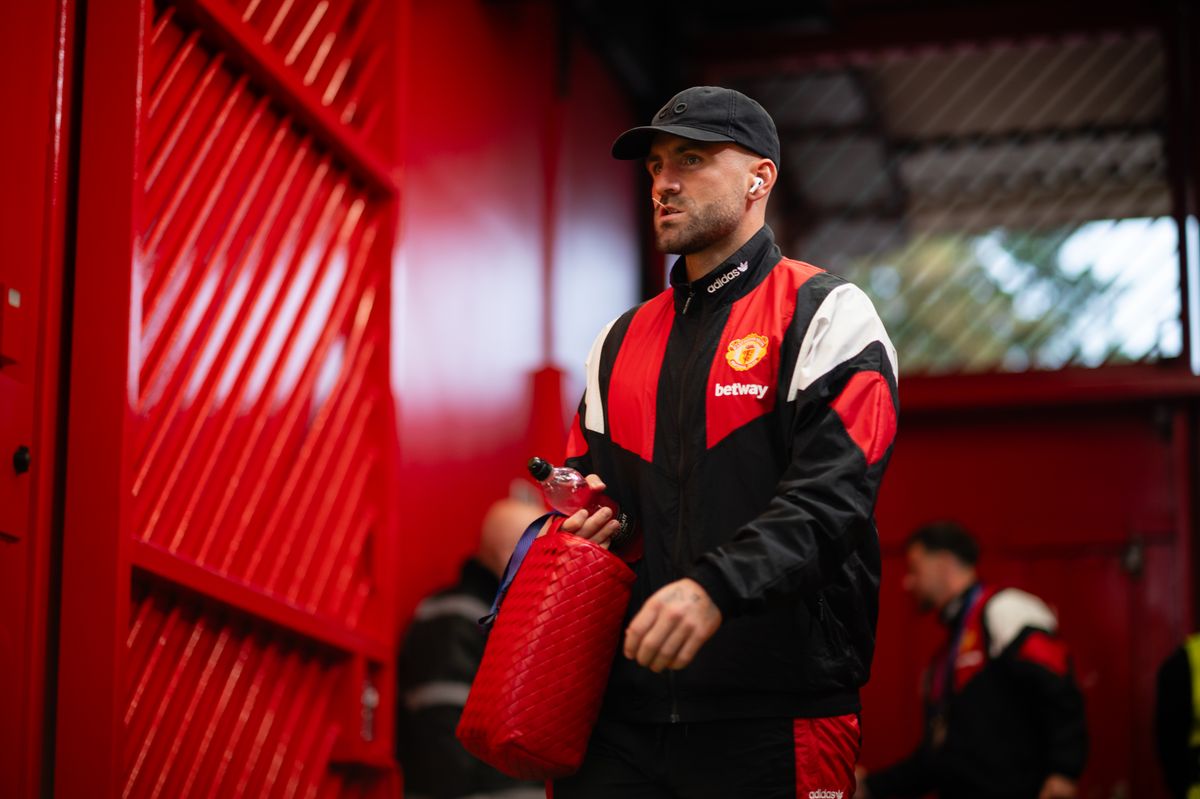
Carrick rules out Shaw for Champions League opener to protect him ahead of Manchester derby
-
 Football ·
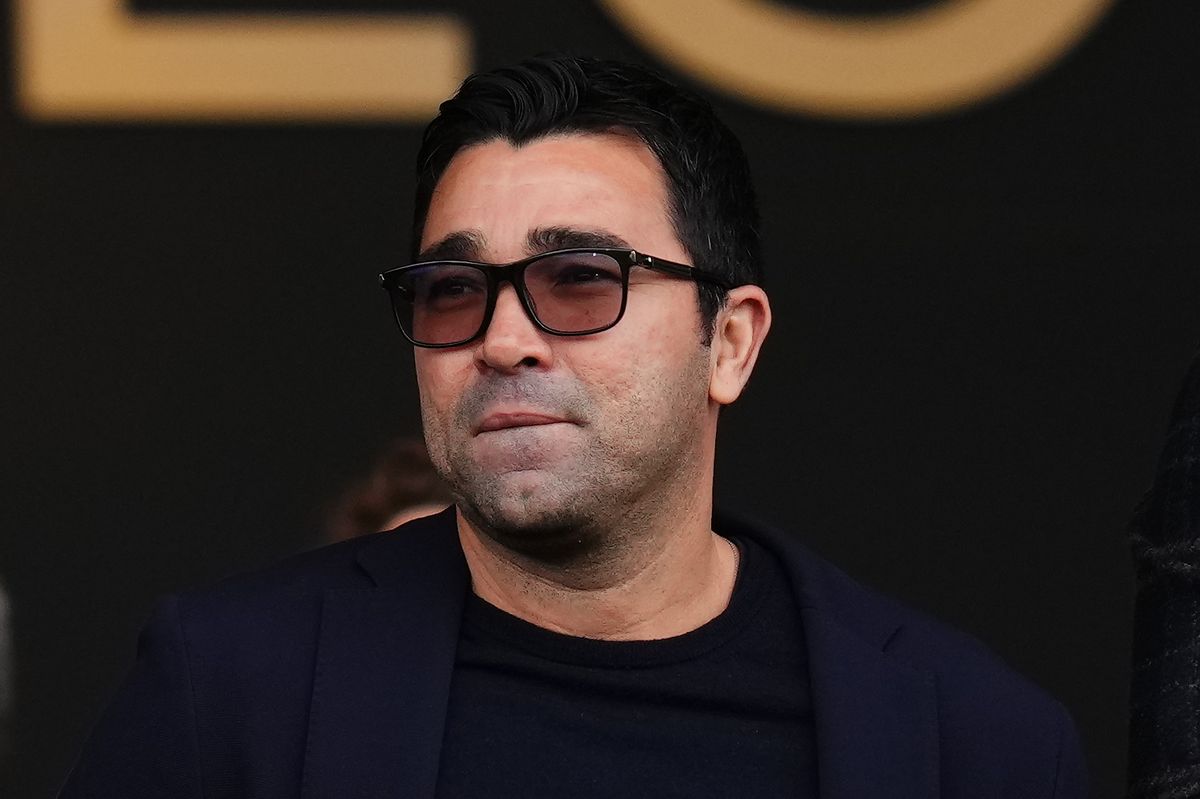
Barcelona's Deco admits he still loves Araujo as Liverpool eye £47m permanent deal
-
 Football ·
Morocco claims 2030 World Cup final with 115,000-capacity Benslimane stadium
-
 Football ·
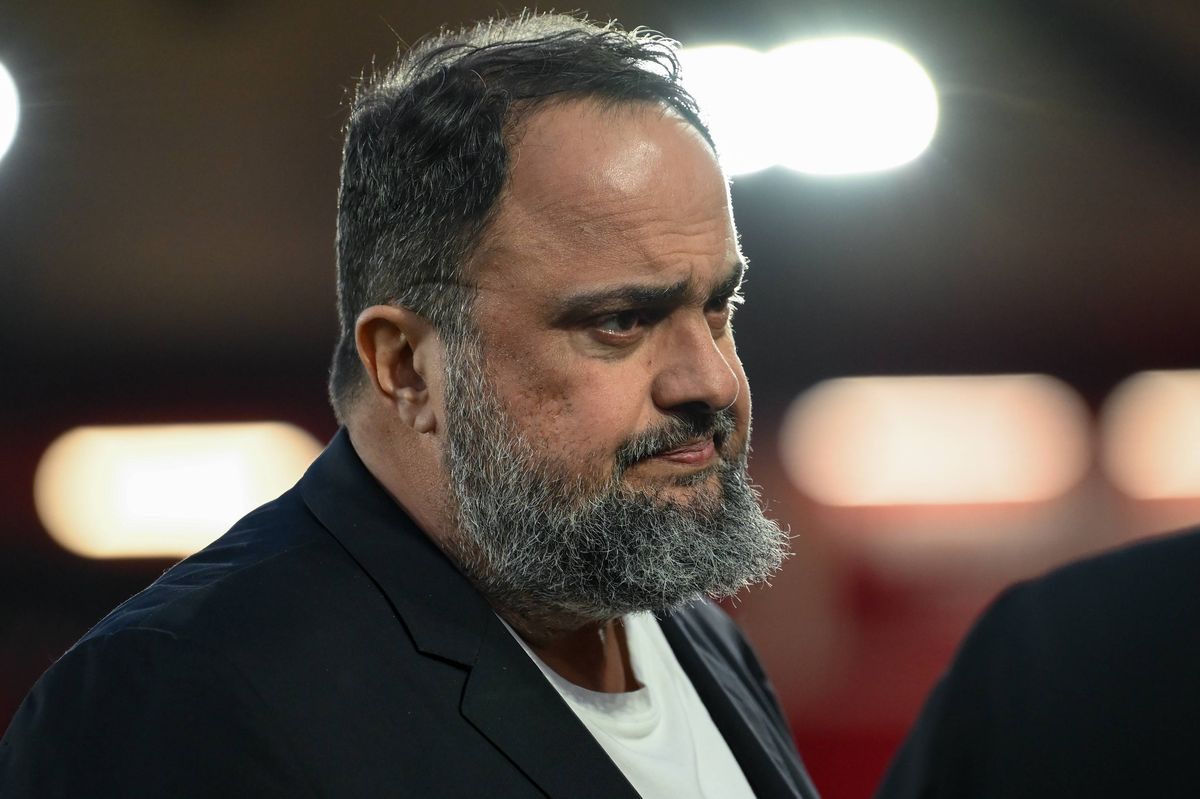
Mendilibar becomes Marinakis's 25th managerial casualty as Olympiacos axe Conference League winner
-
 Football ·
Deco explains why Barcelona chose Gordon over Rashford in £69m summer switch

 England U20 W