Mohamed Hany scores second own-goal of World Cup 2026 to make unwanted history against Australia
Egypt defender Mohamed Hany became the first player in World Cup history to score two own-goals in the same tournament, his second arriving in the 55th minute of a round of 32 match against Australia to level the score at 1-1.
1 min read
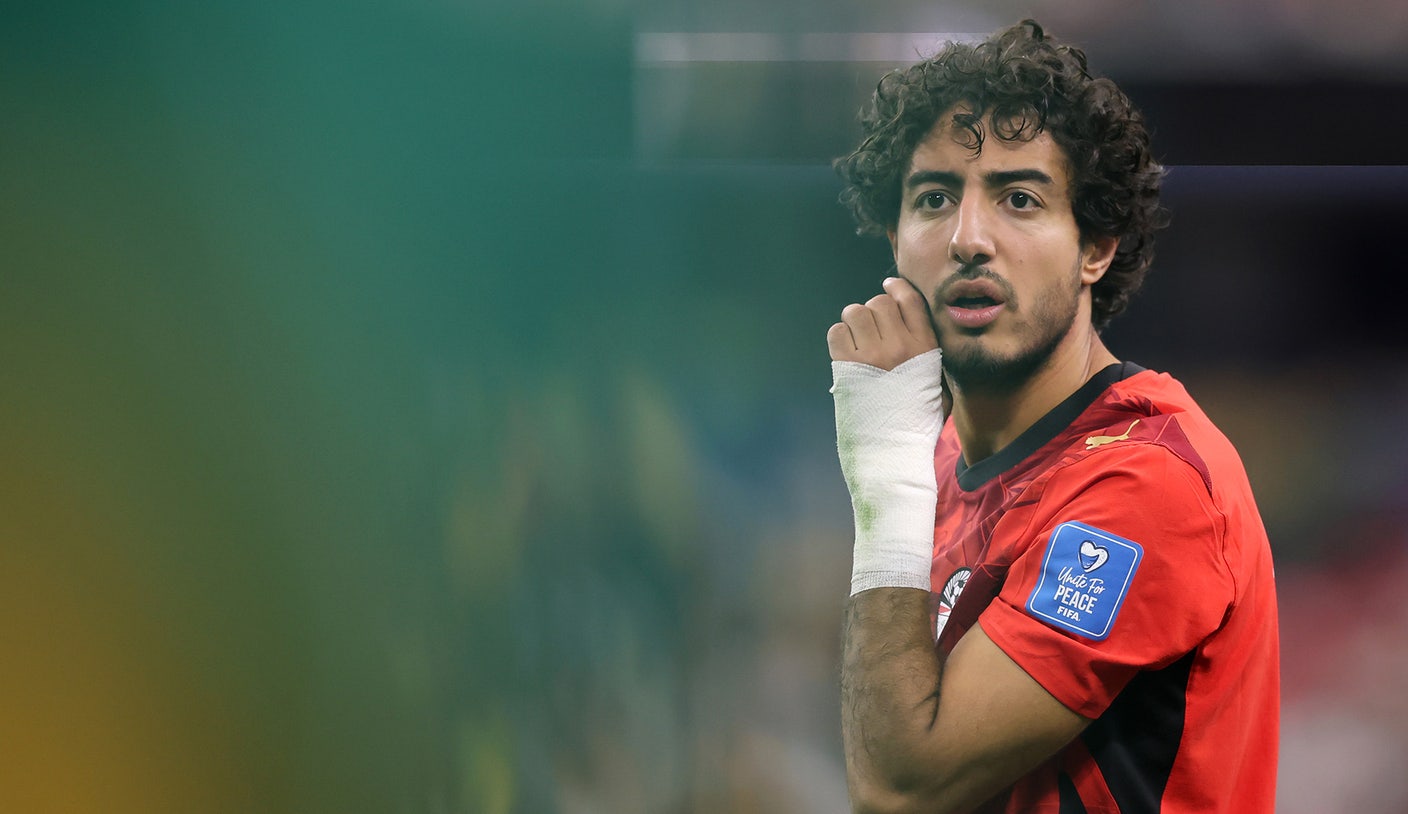
Egypt defender Mohamed Hany etched his name into World Cup history for all the wrong reasons on Friday, becoming the first player ever to score two own-goals in a single tournament after deflecting an Australian free kick into his own net during a round of 32 clash at the 2026 World Cup.
The moment came in the 55th minute when a free kick from Australia midfielder Aiden O’Neill struck Hany’s head and looped into the net, levelling the match at 1-1. The goal was made all the more dramatic by the circumstances immediately preceding it — Hany had been left on the ground moments earlier following a collision with Australia midfielder Connor Metcalfe near the same goalmouth.
Egypt teammates quickly signalled for medical assistance, and Hany was treated on the pitch for several minutes amid concerns over a possible concussion. Medical staff stood by with a stretcher, though it was ultimately not required, and Hany was cleared to continue.
Hany’s first own-goal of the tournament had come in Egypt’s 1-1 group-stage draw against Belgium, meaning both of his side’s conceded goals in that match and this one arrived via the same unfortunate route.
For Australia, the round of 32 appearance marks their third knockout-stage match in World Cup history. The Socceroos were beaten 1-0 by Italy in 2006, and fell 2-1 to Argentina in 2022 — a match in which their only goal was also an own-goal, making their knockout-stage scoring record a curious one.
Read also
-
 Football ·
Olise lights up France-Italy with stunning free-kick, historic double at Stade de France
-
 Football ·
No-case ruling for harassment: PSG definitively settles dispute with Mbappé
-
 Football ·
De Bruyne reaches 200 career goals with brace against Turkey
-
 Football ·
UAE threatens to pull billions from UK investment over Manchester City guilty verdict
-
 Football ·
UEFA opens review of Barcelona after Real Madrid submits Negreira case documents
-
 Football ·
Baleba plays first minutes in United shirt as injury return edges closer ahead of Tottenham
 Colombia