Egypt beat Australia on penalties to claim first-ever World Cup knockout stage victory
Egypt defeated Australia 4-2 on penalties after a 1-1 draw to record their first World Cup knockout stage win. Mohamed Salah converted despite a hamstring injury, while Australia missed two spot-kicks to exit the tournament.
1 min read
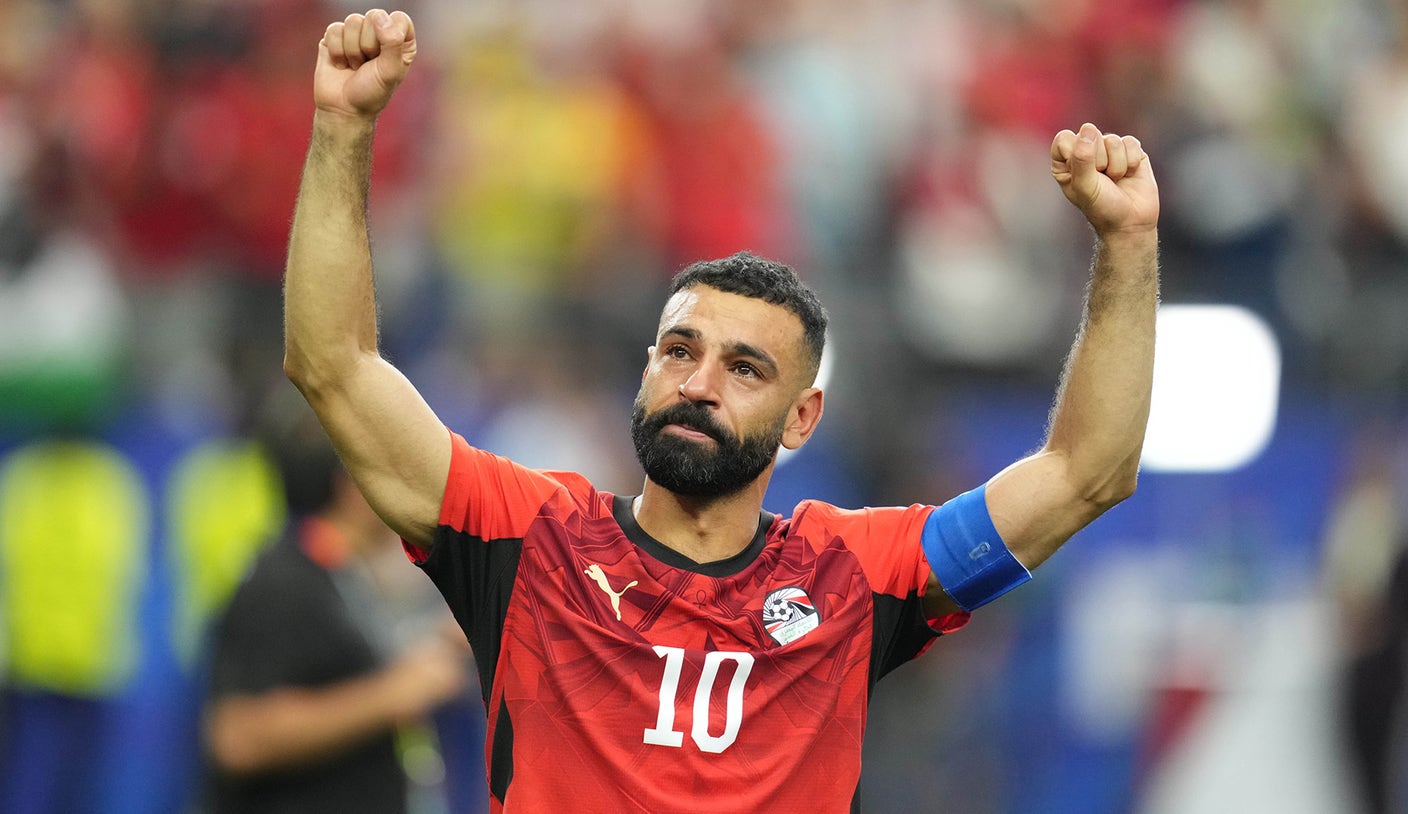
Egypt secured their first-ever World Cup knockout stage victory on Friday, beating Australia 4-2 on penalties after a 1-1 draw, with Hossam Abdelmaguid slotting home the clinching spot-kick to send the Pharaohs into the round of 16.
Emam Ashour gave Egypt the lead in the 13th minute, but Australia levelled in the 55th through a remarkable own goal — Egypt defender Mohamed Hany became the first player in World Cup history to score two own-goals in the same tournament. Neither side could find a winner in extra time, forcing the shootout.
Australia’s challenge unravelled from the first kick. Harry Soutar blazed high over the bar to open the shootout, and 18-year-old Lucas Herrington struck the crossbar with the fourth attempt, leaving Abdelmaguid to convert the decisive penalty.
Mahmoud Saber, Ramy Rabia, and Mohamed Salah all converted for Egypt. Salah, the former Liverpool forward, started despite carrying a hamstring injury sustained in the group stage finale, and held his nerve to score. Jackson Irvine and Awer Mabil were the only Australians to find the net.
Australia goalkeeper Mathew Ryan, who replaced starter Patrick Beach late in extra time, was unable to stop any of Egypt’s four penalties.
The win comes in Egypt’s fourth World Cup appearance and ends Australia’s run in the tournament — the Socceroos are now winless in three knockout stage appearances. Egypt will face either defending champion Argentina or Cape Verde in the round of 16 on Tuesday in Atlanta.
Read also
-
 Football ·
Olise lights up France-Italy with stunning free-kick, historic double at Stade de France
-
 Football ·
No-case ruling for harassment: PSG definitively settles dispute with Mbappé
-
 Football ·
De Bruyne reaches 200 career goals with brace against Turkey
-
 Football ·
UAE threatens to pull billions from UK investment over Manchester City guilty verdict
-
 Football ·
UEFA opens review of Barcelona after Real Madrid submits Negreira case documents
-
 Football ·
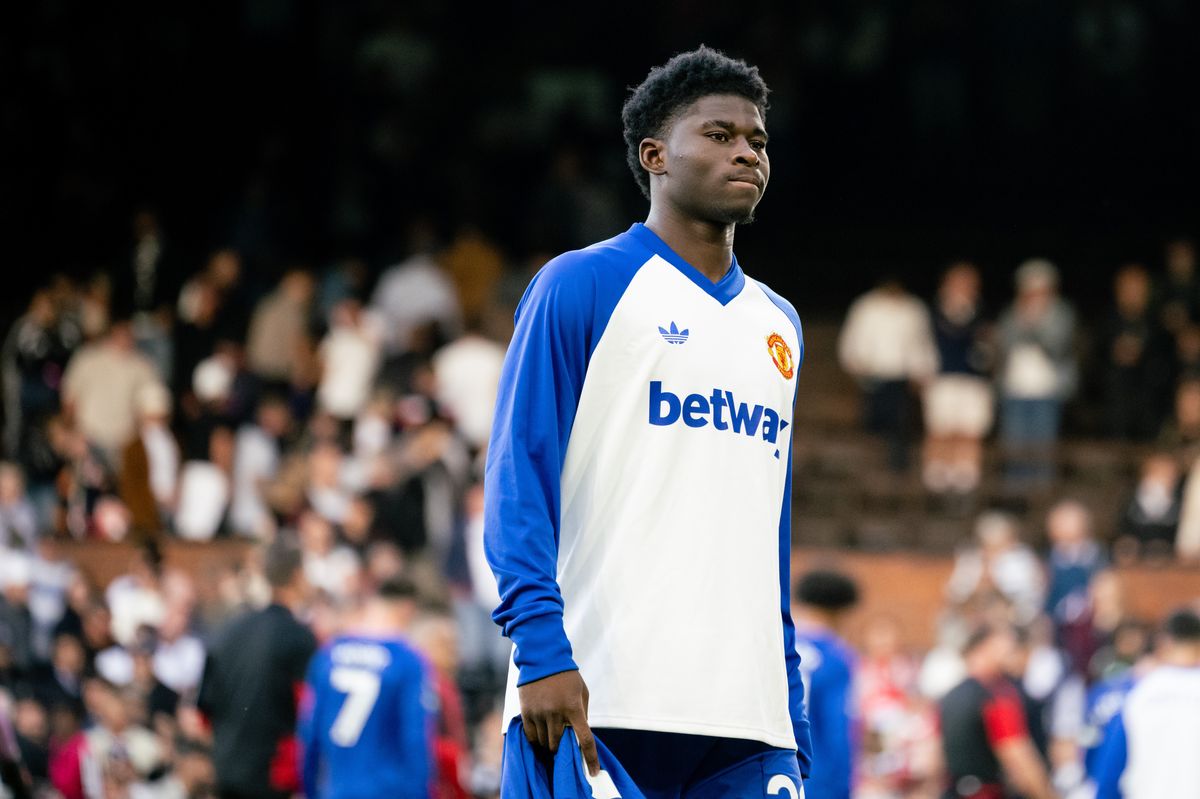
Baleba plays first minutes in United shirt as injury return edges closer ahead of Tottenham
 Colombia