Marsch calls Morocco a "horrible nightmare" ahead of Round of 16 clash in Houston
Two days before facing Morocco in the Round of 16 of the 2026 World Cup, Canadian manager Jesse Marsch admitted his fears about the Lions of the Atlas, while promising to "seize the chance" for his team.
1 min read
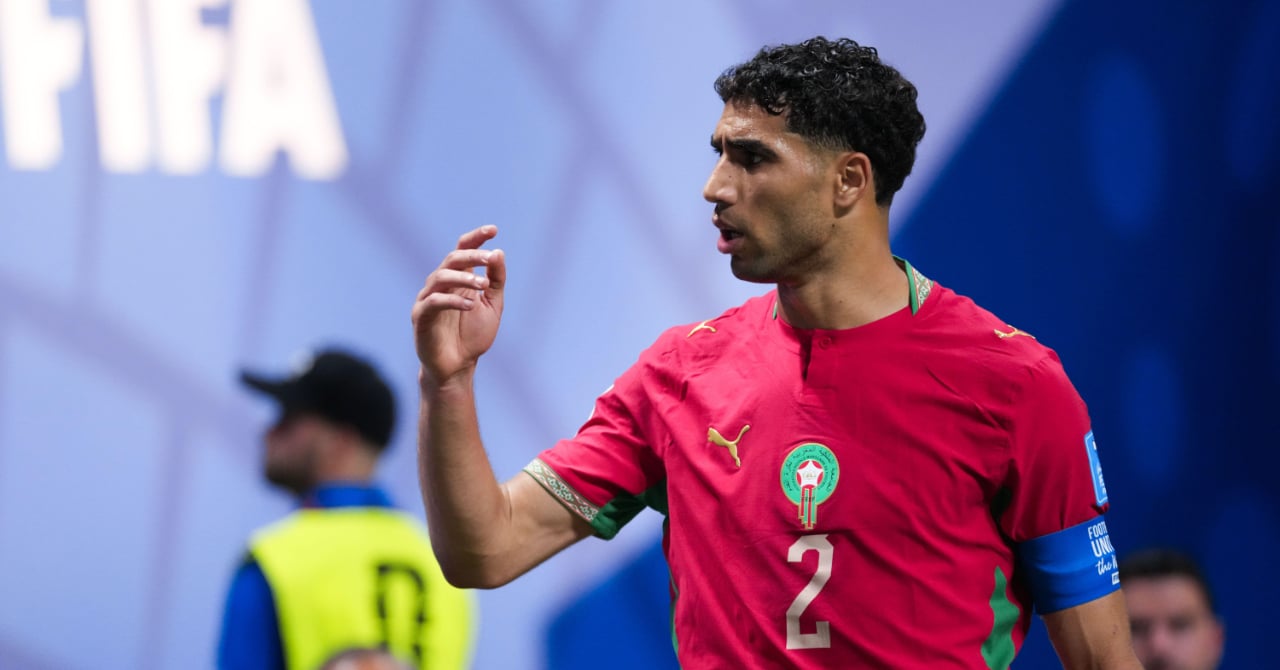
Canadian manager Jesse Marsch did not hide his apprehension at a press conference on Thursday, 48 hours before the Round of 16 match that will pit Canada against Morocco on Saturday in Houston.
“Preparing for Morocco is like a horrible nightmare. I tell myself: I don’t want to see them play, they’re too strong,” said the American coach, in remarks that sum up the aura acquired by the Lions of the Atlas since their semi-final at the 2022 World Cup in Qatar.
Unbeaten since the start of the competition, Mohamed Ouahbi’s side secured their Round of 16 ticket by eliminating the Netherlands on penalties (1-1, 3-2 a.e.t.) in the Round of 32. This undefeated run, combined with a 2025 Africa Cup of Nations final appearance, has firmly established Morocco among the most serious outsiders of this 2026 World Cup.
Marsch, however, identified a concrete advantage for his team: physical freshness. “We know Morocco played 120 minutes. We need to know that’s one of the advantages we can have, being fresher and in better shape. But we won’t change our identity, even if we can use tactical nuances depending on the opponent,” he clarified.
The manager also revealed that he receives daily encouragement from Wayne Gretzky, a Canadian ice hockey legend. “He tells me: I don’t know enough about football, but do we have a chance? And I tell him: yes, we have a chance, and we’re going to seize it!”
The winner of this Round of 16 match played Saturday in Houston will advance to the quarter-finals of the 2026 World Cup.
Read also
-
 Football ·
Arsenal's £100m Kroupi pursuit blocked as Bournemouth reject January move
-
 Football ·
Donnarumma names Dembélé as favourite for 2026 Ballon d'Or after holding France to draw
-
 Football ·
Ronaldo's Portugal walkout echoes the Manchester United fallout that ended his Old Trafford career
-
 Football ·
Pochettino's young USMNT face hostile crowd in Mexico rivalry test ahead of 2026 World Cup
-
 Football ·
Olise lights up France-Italy with stunning free-kick, historic double at Stade de France
-
 Football ·
No-case ruling for harassment: PSG definitively settles dispute with Mbappé

 Denmark U19