Donnarumma names Dembélé as favourite for 2026 Ballon d'Or after holding France to draw
Author of seven saves in the France-Italy 1-1 draw in the Nations League, Gianluigi Donnarumma gave his prediction for the 2026 Ballon d'Or: PSG forward Ousmane Dembélé.
1 min read
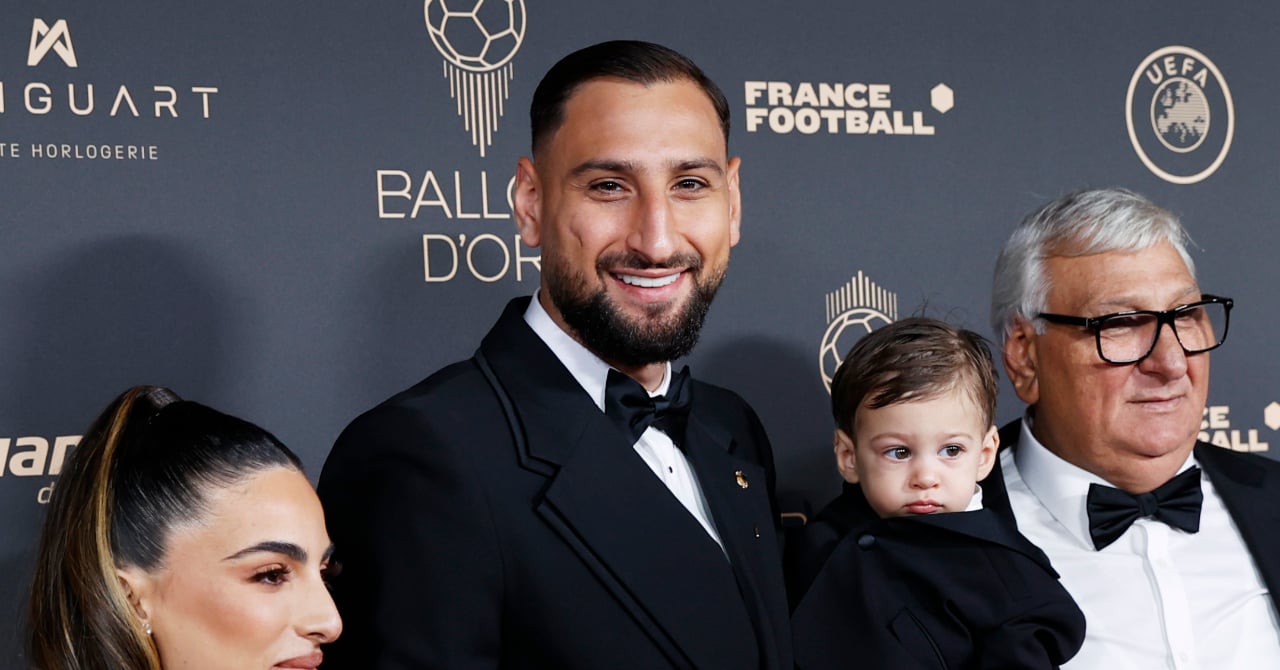
Gianluigi Donnarumma named Ousmane Dembélé as his favourite for the 2026 Ballon d’Or on Friday evening, following the 1-1 draw between France and Italy in the Nations League. The Manchester City goalkeeper, who delivered a remarkable performance against the Blues, answered with a smile: “My favourite is Ousmane Dembélé.” He did not elaborate further on his choice.
The trophy will be presented in London on 26 April next, on the occasion of the 70th edition of the award.
On the pitch, Donnarumma was one of the architects of the point earned by the Squadra Azzurra at the Stade de France. He made several decisive interventions, totalling seven saves against the French attackers. Among the shots he had to deal with, it was Adrien Rabiot’s effort in the 70th minute that gave him the most trouble. “Adrien Rabiot’s shot was the most difficult,” he acknowledged, referring to the midfielder’s strike.
The former PSG goalkeeper said he was particularly moved by this trip to France. “We played a great match. For me, it’s very special to come here, to play against my friends. I think Italy played a great match against a great team.” He also praised the efforts of Dembélé and Désiré Doué, whose attempts had troubled him during the evening.
Italy now turns its attention to hosting Turkey, scheduled for 5 October, for the fourth matchday of the Nations League group stage.
Read also
-
 Football ·
Mbappé's captaincy directly triggered Griezmann's international retirement
-
 Football ·
FFF preparing Hall of Fame to honour Deschamps in 2027
-
 Football ·
McTominay demands £7.7m-a-year deal as Napoli contract talks stall
-
 Football ·
McTominay calls £25.7m Man Utd exit a 'huge decision' after Serie A Player of the Year honour
-
 Football ·
Ngumoha draws Rooney and Bellingham comparisons after England's third-youngest competitive debut
-
 Football ·
Paul Dickov breaks silence on Man City guilty verdicts: 'Got to believe'
 Denmark U19