Manchester United post record £677.6m revenues but annual loss widens and debt climbs to £577.6m
Manchester United recorded revenues of £677.6 million for 2024-25, a 1.7% rise on the previous year, but the club's annual loss widened to £43 million and non-current borrowings climbed to £577.6 million.
1 min read
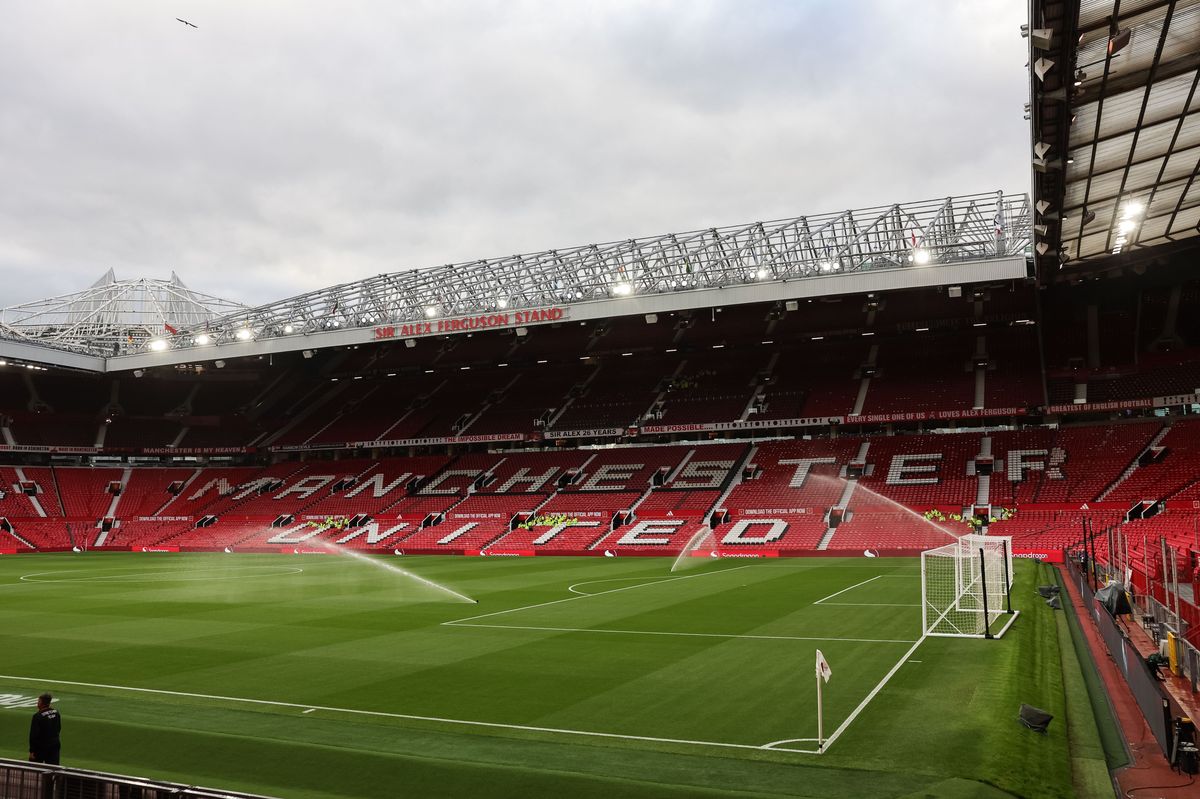
Manchester United posted record revenues of £677.6 million for the 2024-25 season, the club confirmed in their latest financial results, but a widening annual loss and rising debt levels underline the scale of the financial challenge still facing Old Trafford.
Revenue grew by 1.7% year-on-year, a figure club sources say demonstrates progress given the season included no European football and was played without a training kit sponsor in place. Despite that top-line growth, United recorded an overall loss of £43 million for the year, up from £33 million the previous season, with bosses acknowledging that further “financial discipline” is needed to stabilise the business.
The debt picture has also deteriorated. Non-current borrowings now stand at £577.6 million, compared with £471.9 million a year ago, a rise attributed in part to changes in interest rates and the refinancing of certain bonds in June 2025. The club also carries a revolving credit facility — described by United as similar to a credit card — which stood at £110 million at the end of June.
The results cover the final three months of the 2024-25 campaign and represent the latest snapshot of a club still working through the financial consequences of years of heavy spending and structural costs. While the record revenue figure offers a positive headline, the combination of a larger operating loss and significantly higher borrowings suggests the path to financial sustainability remains a long one under the current ownership structure.
Read also
-
 Football ·
Des Walker debunks 40-year-old Wikipedia claim that Spurs released him over a haircut
-
 Football ·
Kane leads Yamal and Mbappé in 2026 Ballon d'Or race
-
 Football ·
Genesio feels betrayed by OM, departure before Christmas deemed likely
-
 Football ·
Lineker reveals he snubbed Putin meeting and cut ties with Fifa over discomfort
-
 Football ·
Disney+ cuts to adverts mid-match during Arsenal's Women's Champions League win over HB Koge
-
 Football ·
Cantona says he would have rejected Man Utd move if Ratcliffe had been owner

 Gibraltar