Lekjaa vows to mobilize all of Morocco to secure 2030 World Cup final
Morocco's Football Federation president Fouzi Lekjaa has reaffirmed his determination to host the 2030 FIFA World Cup final, competing against Spain, the co-organizer of the tournament.
1 min read
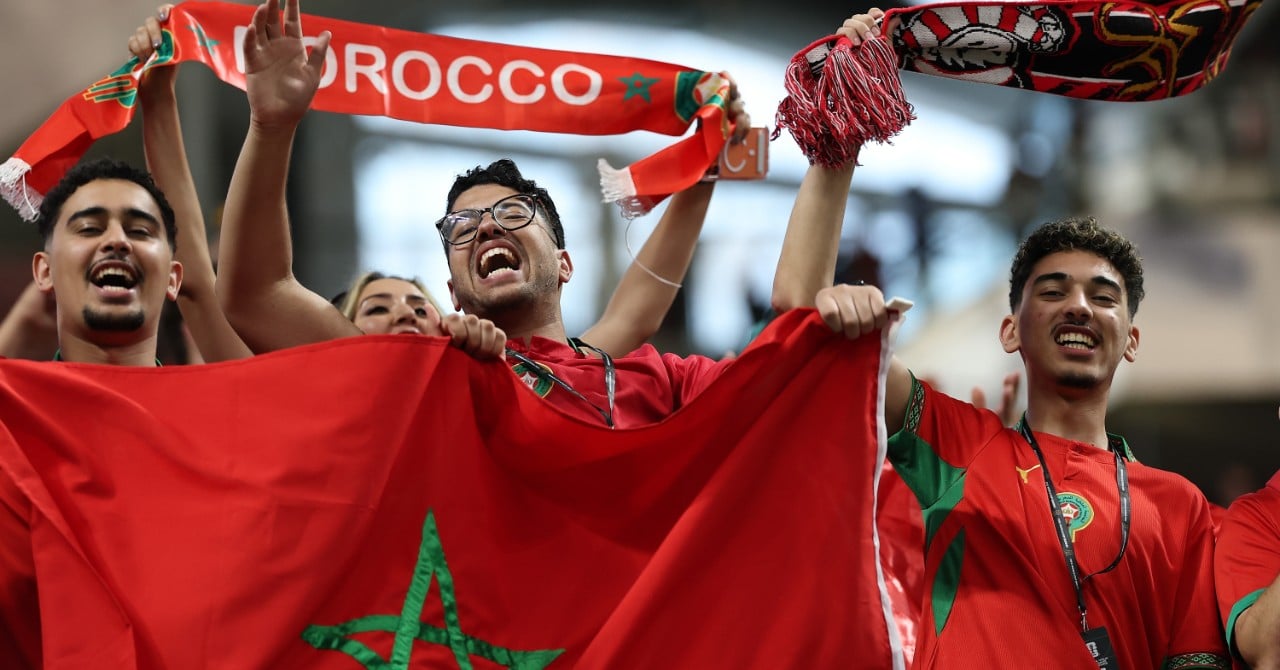
Fouzi Lekjaa leaves no doubt about his ambitions: the president of the Royal Moroccan Football Federation (FRMF) wants the 2030 World Cup final to be played in Morocco, and he intends to make that clear.
“We will mobilize all institutions and all Moroccans so that Morocco hosts the 2030 World Cup final. Whether it pleases some or not, whether certain people want it or not,” Lekjaa declared this week, in a barely veiled message aimed at Spain, the other co-organizing nation vying to host the most-watched match on the planet.
Morocco, Portugal and Spain are jointly co-hosting the 2030 World Cup edition. But while the three countries share the competition, the final can only go to one of them — and it is between Rabat and Madrid that the real battle is being fought.
Morocco’s trump card is called Grand Stade Hassan II. Under construction in Benslimane, near Casablanca, this 115,000-capacity venue would, once completed, be one of the world’s largest stadiums. Morocco thus has a clear project and a single site, which considerably simplifies its case with FIFA.
Spain, for its part, has long suffered from internal conflict between Madrid and Barcelona, with the Santiago-Bernabéu and Camp Nou each vying for the honor of hosting the grand final. Spanish authorities have since sought to present a united front, even if the trend now seems to favor the capital.
Ultimately, FIFA will make the decision. Both camps believe they have the strongest arguments, and one of them will inevitably have to concede.
Read also
-
 Football ·
Super agent Ali Barat emerges as frontrunner to handle JJ Gabriel's Man Utd exit
-
 Football ·
£65m Ndiaye emerges as a genuine difference-maker for Manchester City after Gakpo deal collapsed
-
 Football ·
Mbappe reveals his mother urged him to join Liverpool after falling in love with Anfield
-
 Football ·
Deschamps ready to take a job in November if the right project comes along
-
 Football ·
Sesko injury relapse forces Slovenia withdrawal as Gabriel eyes Real Madrid or Barcelona exit
-
 Football ·
Pallister urges Man United to pursue Ivan Toney as Carrick's attack misfires
 Gibraltar