Klopp calls up 44 players for Germany, Zidane could follow suit
For his first UEFA Nations League window, Jürgen Klopp has selected 44 players across two separate squads, including 13 new faces. Zinédine Zidane, who is also beginning his tenure with France with four matches in three weeks, could adopt a similar approach.
1 min read
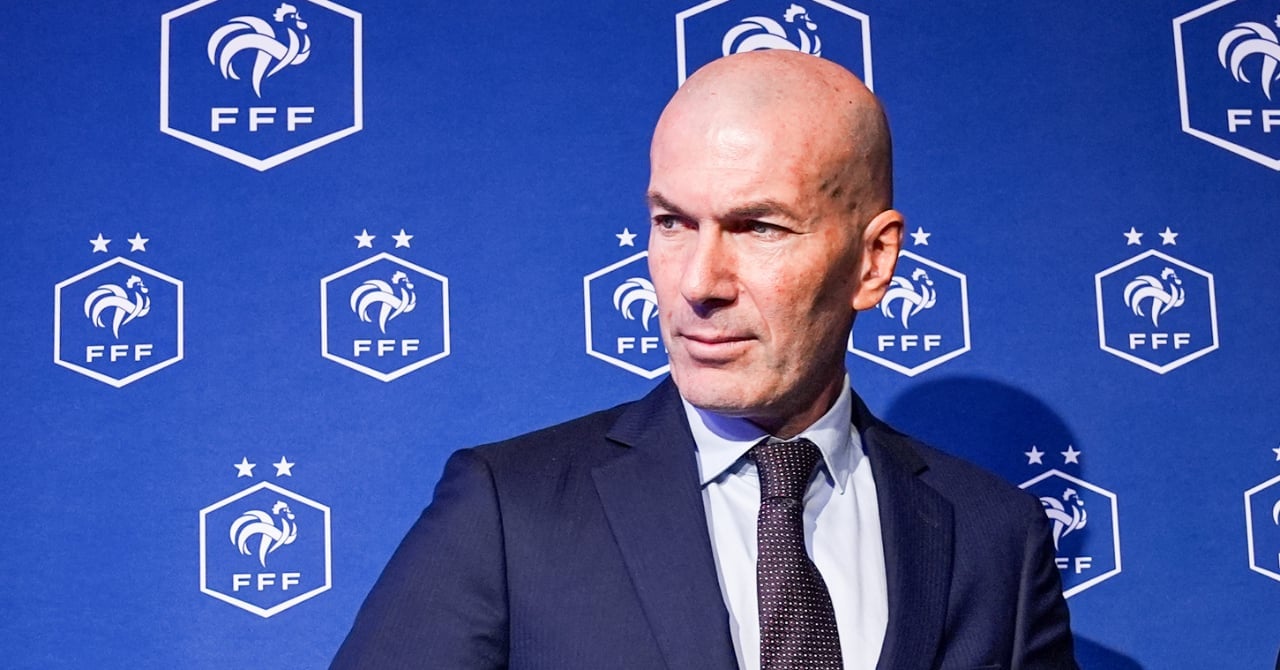
Jürgen Klopp made a bold statement in his debut as Germany head coach: the former Liverpool manager has called up 44 players for the first UEFA Nations League window, split across two squads each covering two matches.
Among those selected are 13 new internationals, including Félix Keidel, right-back for promoted side Elversberg, who has just three Bundesliga appearances to his name. Klopp’s stated objective is twofold: manage key players in a congested fixture schedule and open the door to a new generation. “I’ve opened the door wide and shown everyone: whoever wants to participate has their chance,” he said. “We’re only just beginning to build the team for the future. This is a first step, but not the last.”
This unprecedented format stems from the new competition structure for the 2026 edition. From the first window, which stretches over three weeks between late September and early October, teams play four matches — compared to two in previous editions.
Zinédine Zidane, who is set to announce his first squad as France head coach on Friday, faces the same logistical challenge. France will travel to Turkey on 25 September, then to Belgium on 28 September, before hosting Italy on 2 October and Belgium again on 5 October. This relentless schedule could prompt Didier Deschamps’ successor to expand his squad as well, following the model of his German counterpart.
Read also
-
 Football ·
O'Leary backs Dowman to become a superstar after brace lights up Carabao Cup win
-
 Football ·
Italian media savage Amorim with 4.5 ratings after AC Milan's Europa League loss to Benfica
-
 Football ·
United collapse from two goals up to lose to Brighton as Carrick pressure mounts
-
 Football ·
Kondogbia and Nnadi absent as OM travel to Besiktas to launch Europa League campaign
-
 Football ·
Lepaul, Ligue 1's top scorer last season, hopes for first France call-up
-
 Football ·
Mac Allister's father dismisses Real Madrid links and plays down Liverpool contract frustration
 Poland U20 W