Haise snatches victory but publicly targets his defenders after Rennes-Le Mans
Stade Rennais beat Le Mans 3-2 in extra time in Ligue 1, but Franck Haise spared no criticism of his players in the post-match press conference, singling out defender Aït-Boudlal and striker Mayenda by name.
1 min read
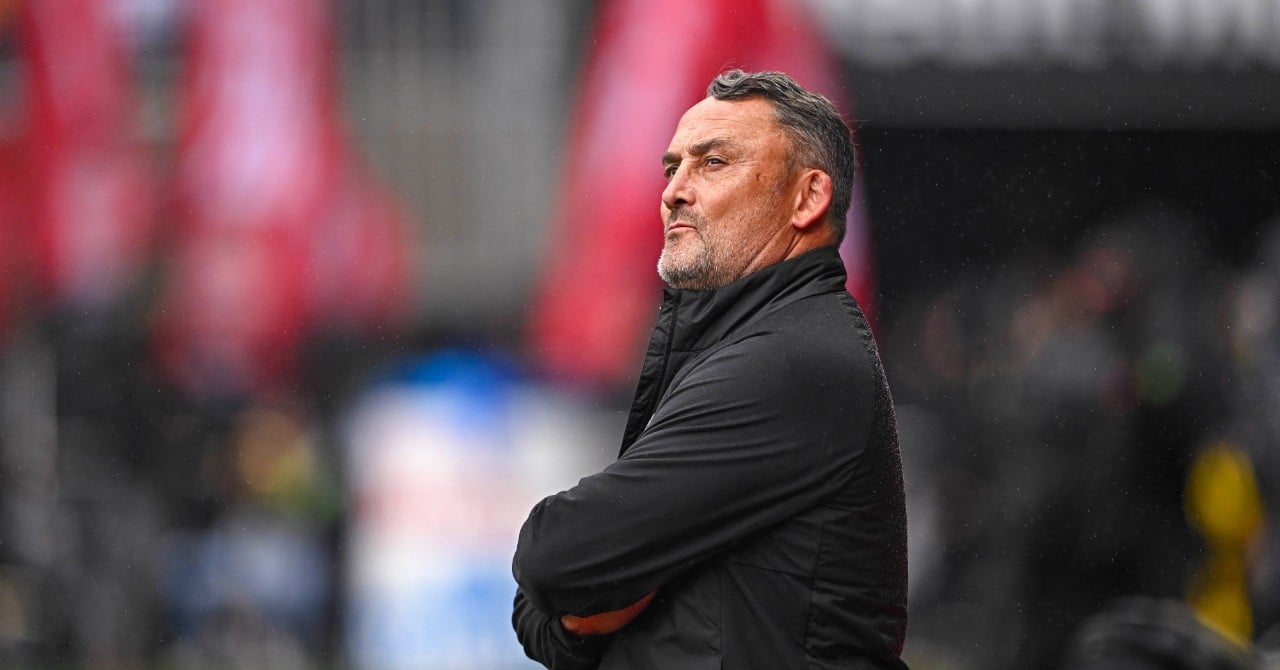
Stade Rennais claimed their second Ligue 1 victory of the season against promoted Le Mans (3-2), but it was Franck Haise’s media outburst that grabbed attention at Roazhon Park. The Rennes coach did not mince his words toward several of his players following a match decided in extra time.
The primary target: 20-year-old Moroccan defender Abdelhamid Aït-Boudlal, directly blamed for the opening goal conceded. “On the first goal, from start to finish, it’s Abde,” Haise said bluntly. “He was already at fault last week!” The coach then issued a stark ultimatum: “There are two options: either he learns quickly, or we change him because there is competition at every position and that’s how it is. I need reliable defenders.”
This direct tone is nothing new for the former Lens and Nice manager. As early as Friday, Haise had already called out striker Eliezer Mayenda, criticizing him for a lack of intensity and consistency. “I expected more intensity, more consistency in performances,” he had said, noting he was working the player on the wings rather than through the middle.
On the sporting front, Rennes had actually made an encouraging start to the season by holding PSG to a draw on the opening day. But against determined promoted side Le Mans, they struggled before making the difference in the final minutes. A scenario that illustrates the defensive shortcomings Haise intends to correct without delay, even if it means publicly challenging his players.
Read also
-
 Football ·
Three wins in three matches: PSG heads toward Champions League last 16
-
 Football ·
Arteta deflects Souness 'cheat' attack on Saka ahead of Bayern Munich clash
-
 Football ·
Hernandez silences Yamal and taunts him after decisive goal for PSG
-
 Football ·
Mac Allister admits something was wrong at Liverpool under Slot as Iraola sparks revival
-
 Football ·
Foden hat-trick powers City past AEK Athens as 20,000 empty Etihad seats steal the headlines
-
 Football ·
Ngumoha's two assists in Liverpool's 4-3 comeback stun Villarreal in Champions League

 Canada W U17