Ferguson reveals 2018 brain hemorrhage that nearly cost him his life
In his new book Games of my life, Sir Alex Ferguson details the brain hemorrhage he suffered on May 5, 2018, noting that 75 to 85% of people over 60 affected by such an incident die from it.
1 min read
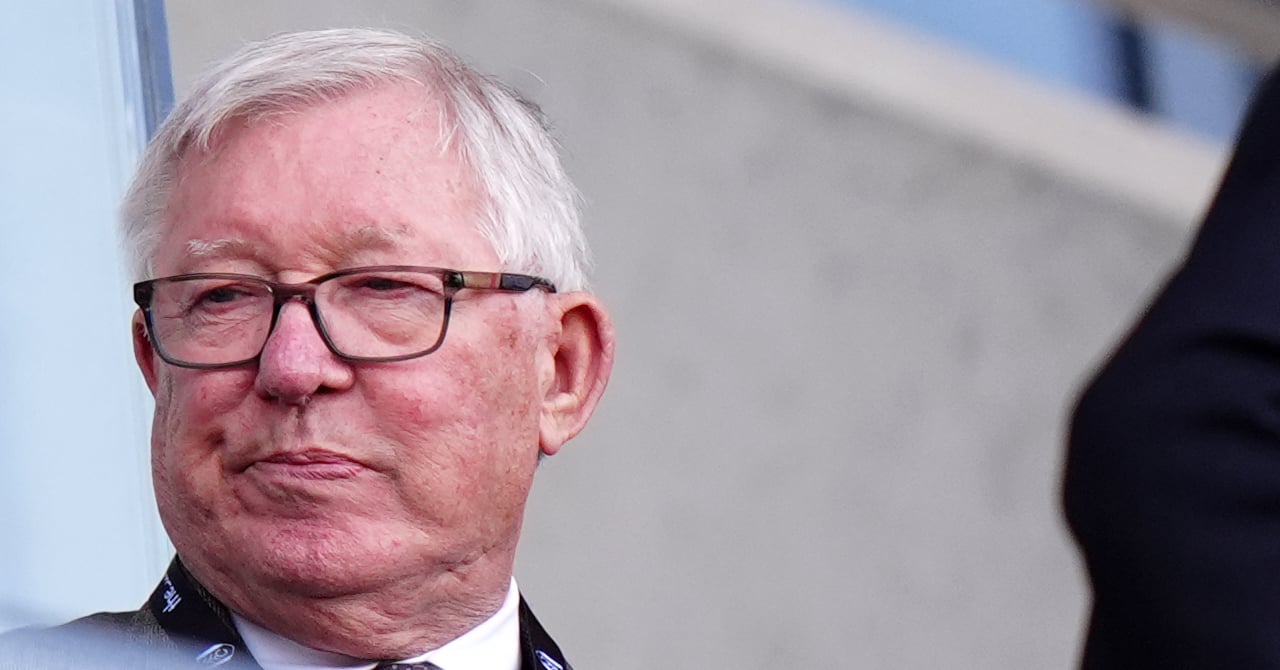
Sir Alex Ferguson came close to death on May 5, 2018, when he suffered a brain hemorrhage at his home. The former Manchester United manager is recounting for the first time a detailed account of this episode in his new book, Games of my life, from which The Times has published several excerpts.
Ferguson describes a brutal awakening around 7 a.m. « Everything started to go dark. That’s when I got up, struck by a terrible headache that had kept me from sleeping almost all night, and I immediately collapsed against a shoe rack. I didn’t see the light again until 24 hours later, when I woke up at Salford Royal Hospital, » he writes. He now understands the severity of what happened to him, noting that « 75 to 85% of people over 60 who suffer an incident like mine die from it ».
His survival came down to a series of circumstances. His wife Cathy was downstairs when she heard the shoes cascading from the shoe rack onto the floor upstairs. « If she hadn’t been there, the Referee in the Sky might have blown the final whistle on me, » Ferguson confides, crediting her directly with saving his life.
After several months of recovery, the Scot returned to Old Trafford on September 22, 2018. He describes the crowd’s reception as the strongest moment of his entire career, ahead of the titles won at Aberdeen or the championship parades with Manchester United. « I felt like I was being welcomed back from the dead, » he writes, calling this moment an « extraordinary moment » shared with Cathy.
Read also
-
 Football ·
Gary Neville reveals the goal driving The Overlap five years after its launch
-
 Football ·
JJ Gabriel declares Real Madrid dream as Man United exit edges closer
-
 Football ·
Spain face England Nations League decider without injured trio Rodri, Olmo and García
-
 Football ·
Larqué accuses Lens of appointing Cahuzac without qualifications through friendship
-
 Football ·
Zidane sees himself in Doué and pays him a strong tribute at press conference
-
 Football ·
JJ Gabriel reveals Ballon d'Or dream as Real Madrid move edges closer after Man Utd AWOL