Embolo and Ndoye fire Switzerland into last 16 to end 88-year World Cup wait
Switzerland beat Algeria 2-0 in Vancouver to reach the World Cup 2026 last 16, with goals from Breel Embolo and Dan Ndoye securing their first knockout-round victory since 1938. They will face Colombia or Ghana in the next round.
1 min read
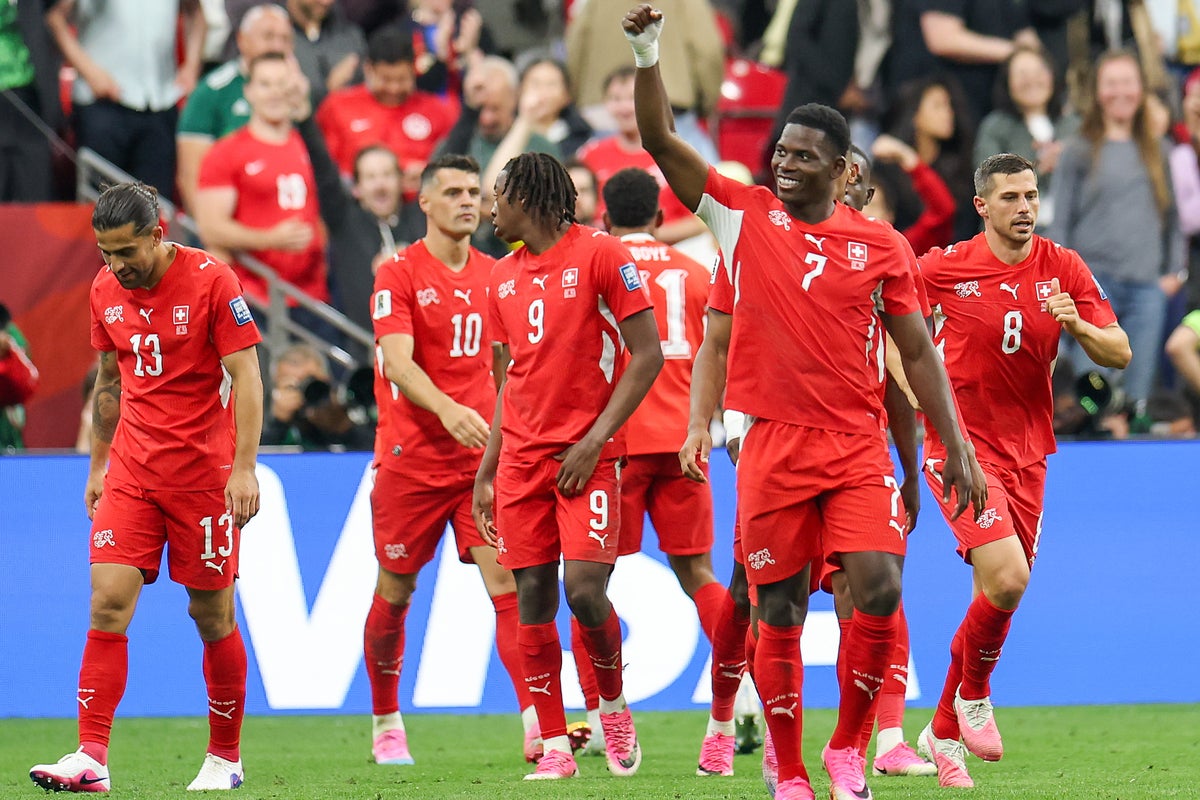
Switzerland ended an 88-year wait for a World Cup knockout victory by beating Algeria 2-0 at BC Place in Vancouver, with Breel Embolo and Dan Ndoye the scorers in a controlled, largely comfortable performance.
Embolo opened the scoring after just 10 minutes, finishing simply after Johan Manzambi burst down the left and picked him out. It was the kind of clinical early move that set the tone for a Swiss side who dominated large stretches of the match against a below-par Algerian outfit.
Algeria’s best moment came before the opener, when Ramiz Zerrouki had a penalty appeal waved away. After that, the African side struggled to threaten meaningfully. Riyad Mahrez was denied by a last-ditch tackle, but clear-cut chances were rare.
Nottingham Forest winger Ndoye doubled the lead early in the second half, gathering the ball on the edge of the area after Algeria’s defence failed to deal with Embolo’s cross, then firing past Luca Zidane. The goal effectively ended the contest.
Switzerland should have added a third when Fabian Rieder found himself with the goal at his mercy following good work by Denis Zakaria, only to shoot straight at Zidane. The goalkeeper also kept out Remo Freuler’s low 20-yard effort in stoppage time, but those were minor footnotes to a convincing Swiss win.
The victory is historically significant for Switzerland, who had not won a World Cup knockout match since defeating Romania 4-2 in Paris in 1938. They will now face either Colombia or Ghana in the round of 16.
Read also
-
 Football ·
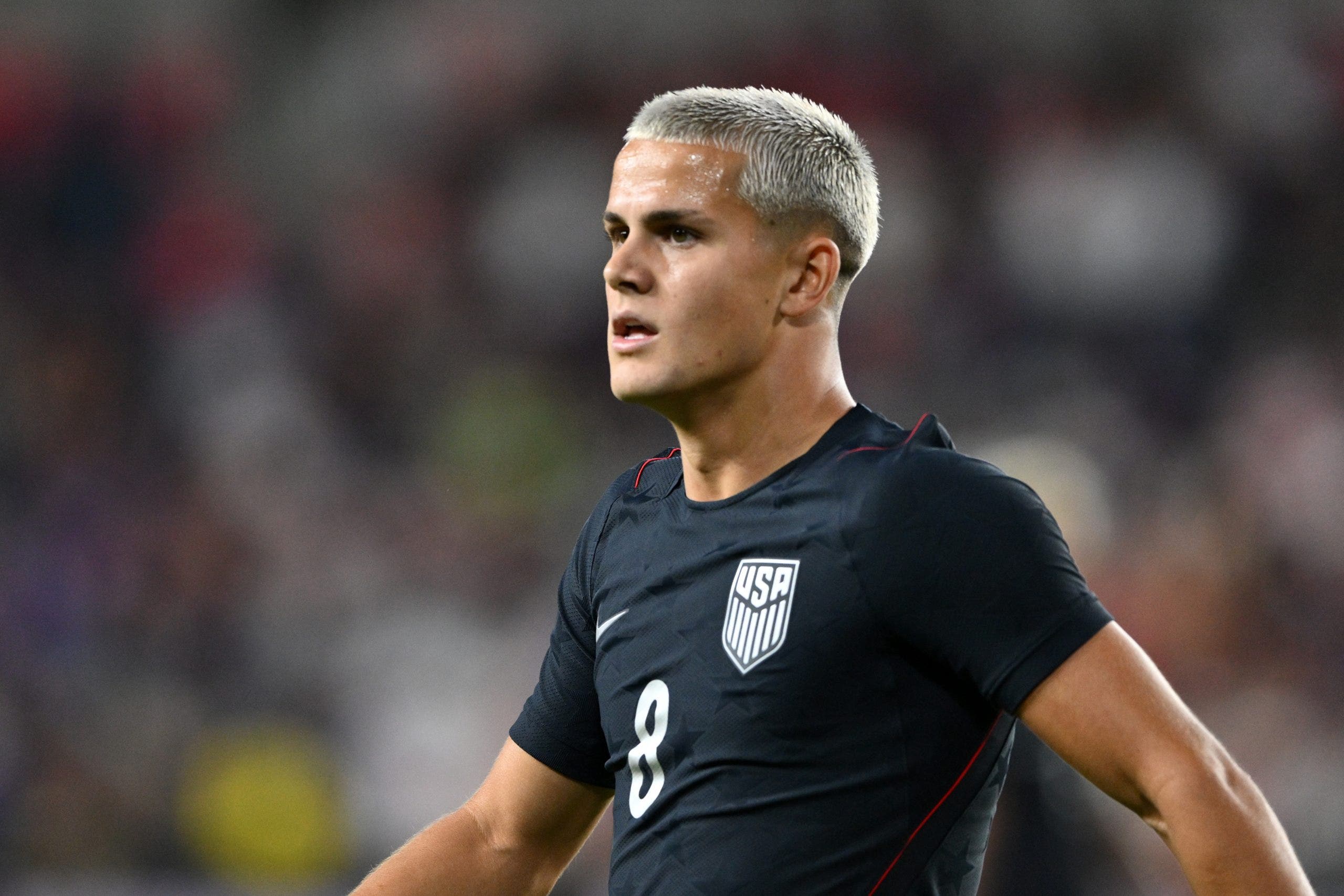
Pochettino's young USMNT face hostile crowd in Mexico rivalry test ahead of 2026 World Cup
-
 Football ·
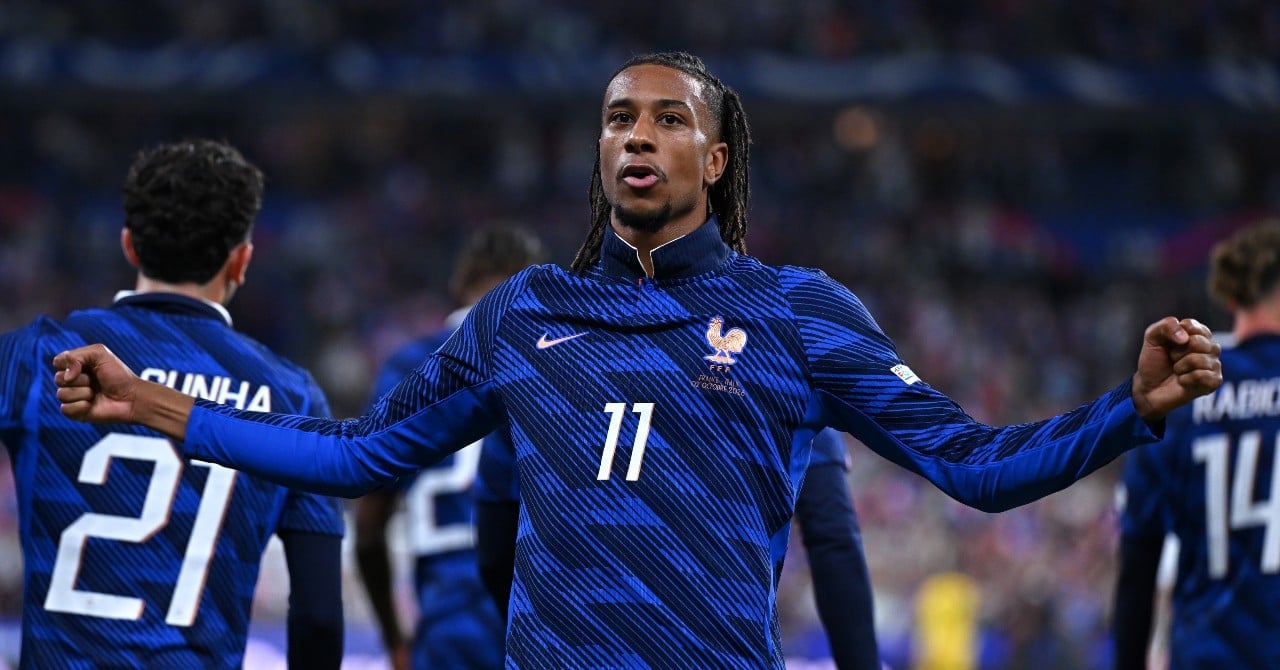
Olise lights up France-Italy with stunning free-kick, historic double at Stade de France
-
 Football ·
No-case ruling for harassment: PSG definitively settles dispute with Mbappé
-
 Football ·
De Bruyne reaches 200 career goals with brace against Turkey
-
 Football ·
UAE threatens to pull billions from UK investment over Manchester City guilty verdict
-
 Football ·
UEFA opens review of Barcelona after Real Madrid submits Negreira case documents
 Denmark U19