Coroner confirms Nobby Stiles died from traumatic brain injury linked to heading, ordering full inquest
A court has heard that 1966 World Cup winner Nobby Stiles died with chronic traumatic encephalopathy (CTE) and Alzheimer's disease, injuries linked to repeated heading. A Greater Manchester coroner has ordered a full inquest following a campaign by his family.
1 min read
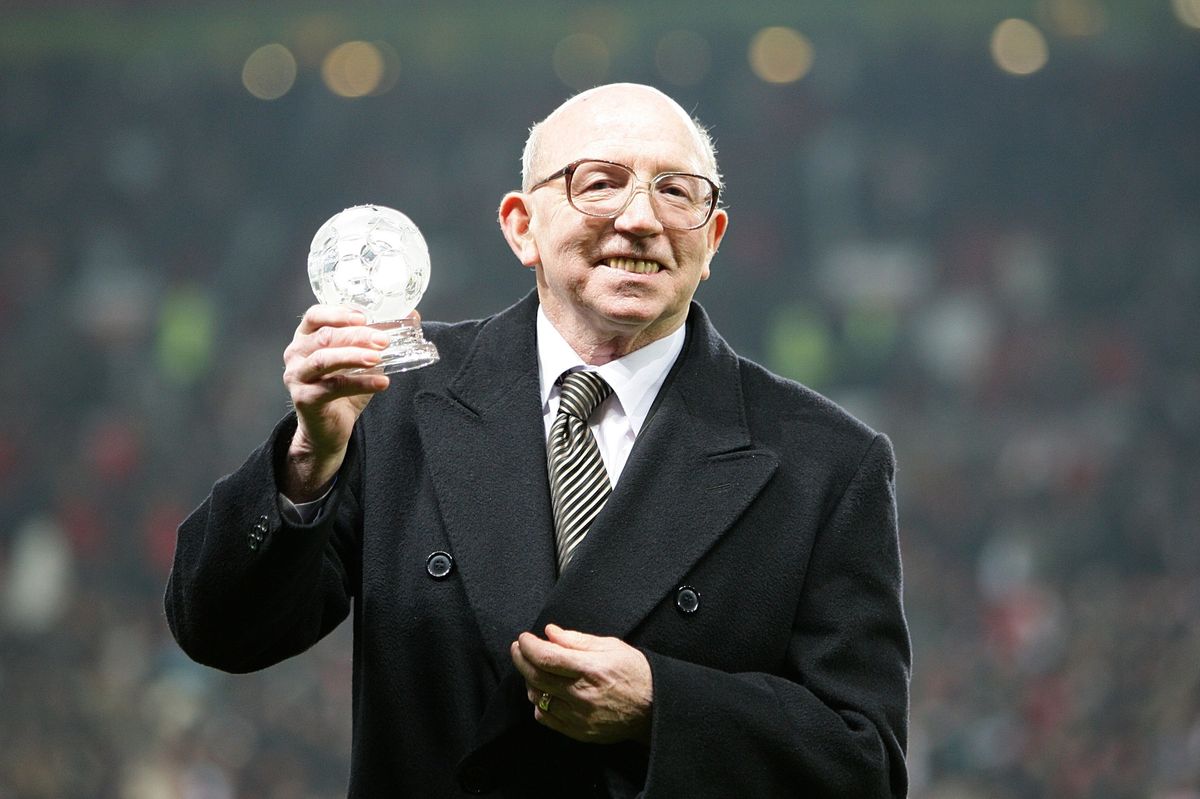
Nobby Stiles, the Manchester United and England legend who helped win the 1966 World Cup, died with a traumatic brain injury caused by chronic traumatic encephalopathy (CTE) — a condition long associated with repeated head trauma — Stockport Coroner’s Court heard this week. Area coroner Chris Morris confirmed that a full inquest into Stiles’s October 2020 death is required after a neuropathology expert examined his medical records and tissue samples.
Dr Daniel du Plessis determined Stiles’s primary cause of death as Alzheimer’s disease, but also found that high-stage CTE contributed to his passing. Morris noted that, “for reasons not entirely clear to me”, Stiles’s death was never originally reported to the coroner’s office — an investigation only began after his family came forward with information.
Stiles, who died aged 78, played more than 400 times for Manchester United and won the European Cup with the club in 1968. He earned 28 England caps and was a key figure in the side that defeated West Germany in the 1966 World Cup final. In later life he was forced to sell his medals to fund his dementia care.
His family have been vocal about the role his football career played in his deterioration. His son John has said the game “killed” his father and has since become head of Football Families for Justice (FFJ), a group that is suing the Football Association, the Football Association of Wales, and the English Football League. The group accuses football’s governing bodies of being “negligent and in breach of their duty of care” to former players.
The case adds weight to growing evidence of the sport’s long-term neurological risks. A 2019 study co-funded by the FA and the Professional Footballers’ Association found that former footballers were three-and-a-half times more likely to die of neurodegenerative disease than similarly aged members of the general population.
Read also
-
 Football ·
Independent Football Regulator warns it will scrutinise Manchester City ownership after guilty verdict
-
 Football ·
Manchester City owners face suitability probe after guilty verdict on £900m financial fraud
-
 Football ·
World Champion and Extended at PSG, Fabian Ruiz Dreams of Finishing Career at Betis
-
 Football ·
Independent Football Regulator warns Man City verdicts could trigger owner suitability review
-
 Football ·
Carrick faces early pressure as United's history of managerial crises looms large
-
 Football ·
Ian Wright says Man City title battles 'broke' Klopp as guilty verdict lands

 Lithuania