Bernardo Silva Named Portugal Captain Following Ronaldo's International Retirement
After Cristiano Ronaldo announced his international retirement following 234 caps and 146 goals, manager Jorge Jesus officially confirmed Bernardo Silva as the new captain of the Seleção, based on his status as the most-capped player after CR7.
1 min read
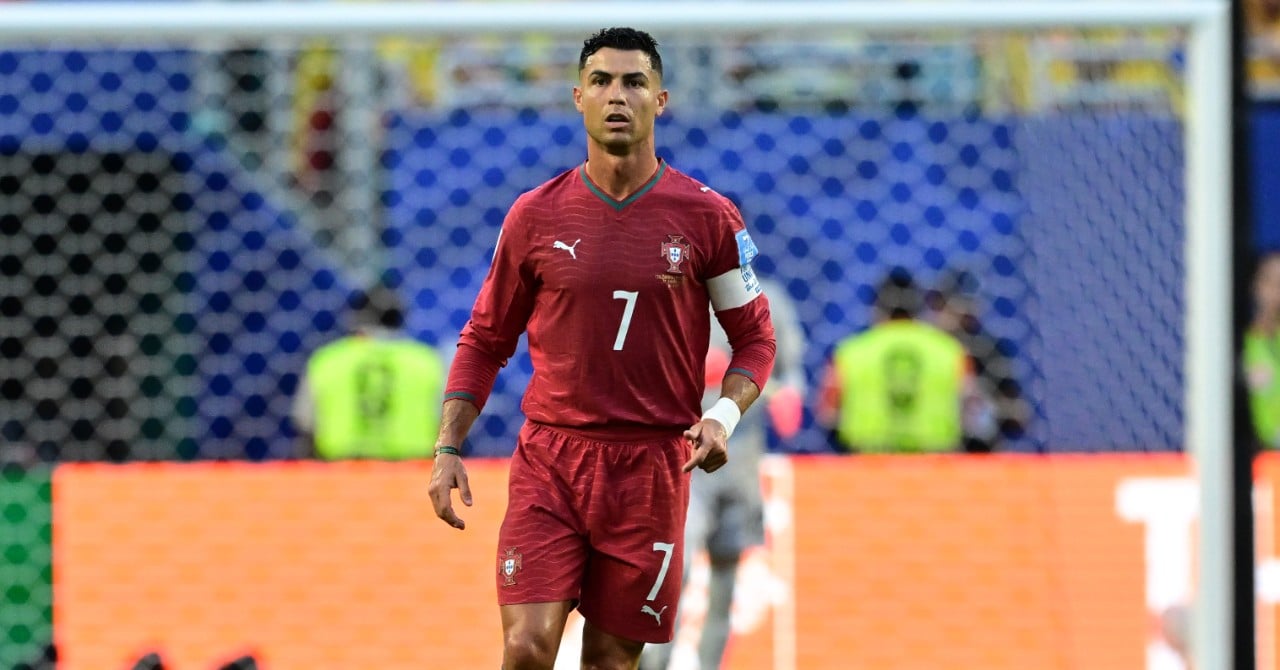
Bernardo Silva inherits the Portugal armband. One day after Cristiano Ronaldo announced his international retirement, manager Jorge Jesus officially confirmed the name of Portugal’s new captain on Friday during a press conference.
The choice follows a simple and deliberate criterion. “The captain is chosen by his number of matches. The logic will remain the same and the player with the most caps after Cristiano Ronaldo is Bernardo Silva,” Jorge Jesus explained. The Real Madrid midfielder, 32, has 114 caps and 14 goals since making his international debut eleven years ago. He had already worn the armband on four occasions during his career.
The succession promises to be a heavy burden to bear. Ronaldo leaves the national team after 24 years of service, 234 matches played and 146 goals scored — a world record still unmatched. Captain since 2008, he wore the armband 172 times, notably guiding Portugal to the title at Euro 2016 and the UEFA Nations League in 2019.
It was precisely during this Nations League triumph that Bernardo Silva was named the tournament’s best player, a sign of leadership already recognized within the squad. His international longevity and consistency at the highest level weighed in the manager’s decision, who chose not to deviate from a seniority rule long established within the Portuguese Football Federation.
Read also
-
 Football ·
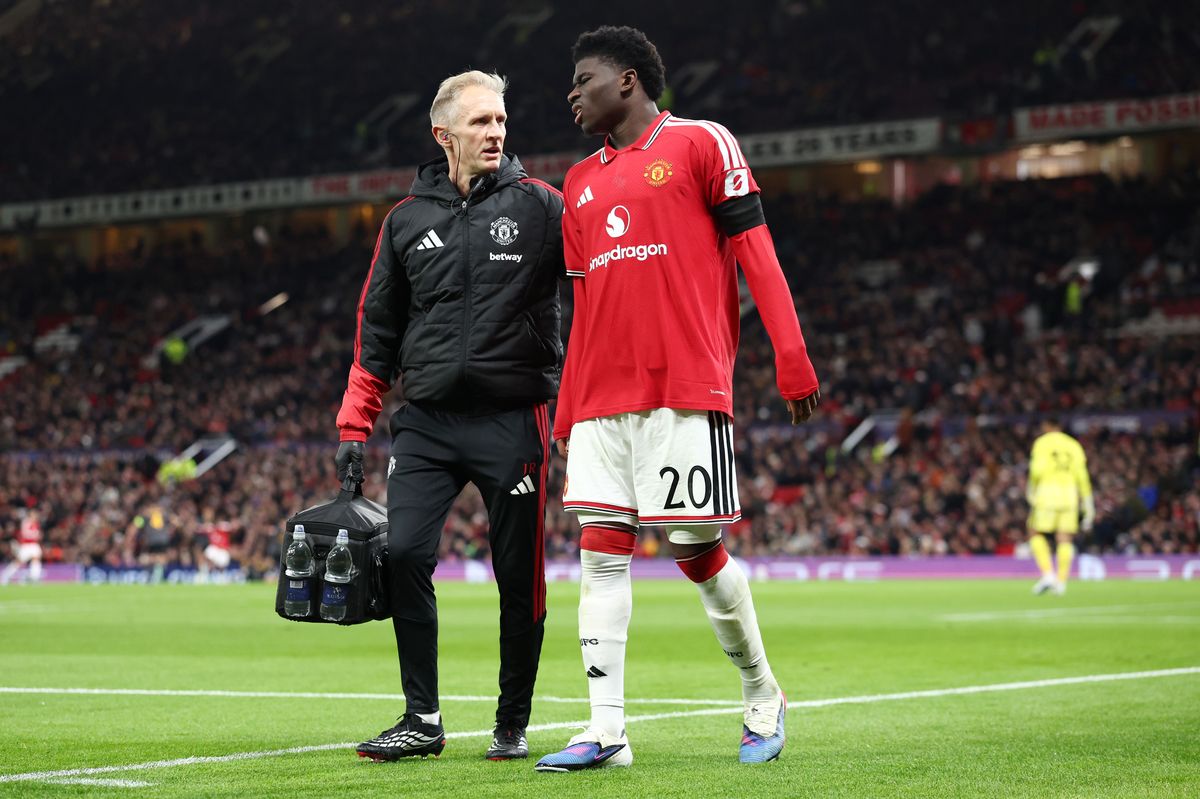
Baleba faces weeks out with hamstring injury after Roma comeback, ruling him out of Villa, Liverpool and Sporting
-
 Football ·
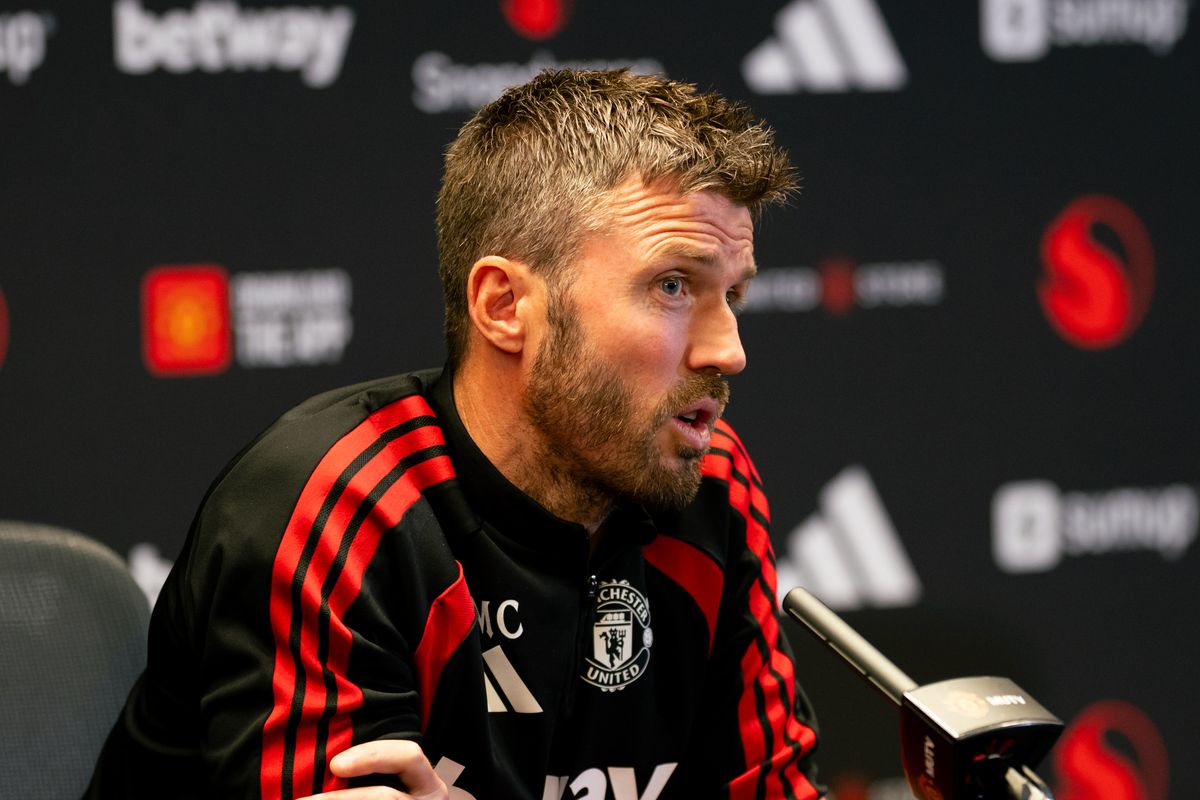
Carrick confirms Baleba out for weeks with hamstring injury ahead of Villa clash
-
 Football ·
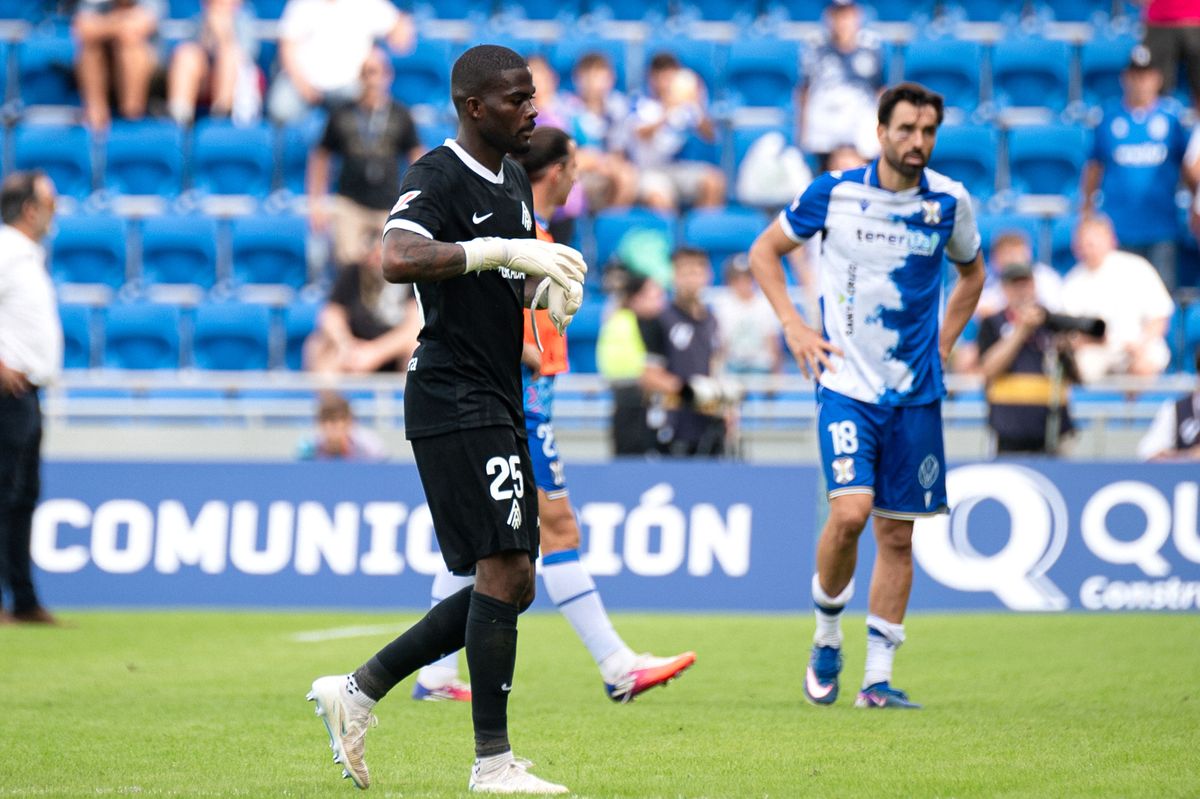
Jesus Owono considering quitting football after fatal collision with Jesus de Miguel
-
 Football ·
Dembélé extends at PSG, Kvaratskhelia and Hakimi in the same corridor
-
 Football ·
Franck Haise reveals he rejected Brighton, Everton and Forest over his English language fears
-
 Football ·
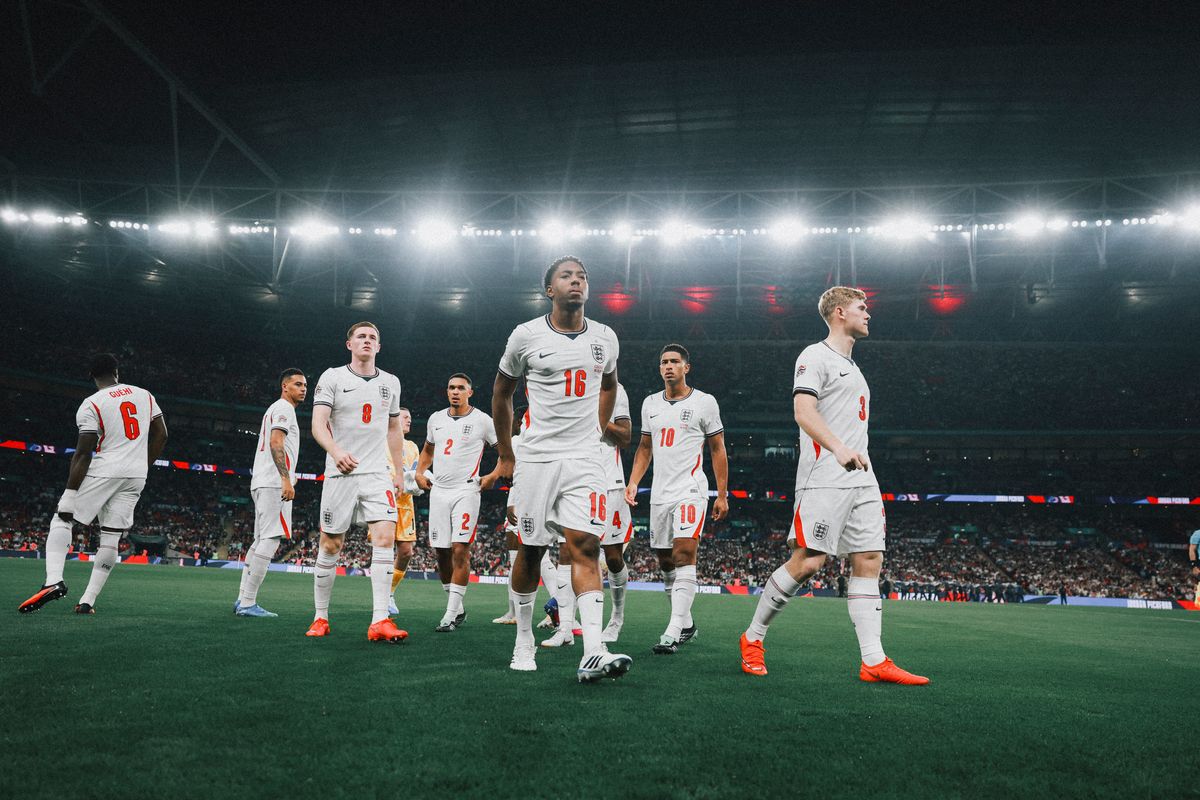
Suspended Lewis-Skelly forces Tuchel into midfield rethink for England's Croatia clash