World Rugby bans hip drop and knee drop tackles to protect players from serious injury
World Rugby has explicitly outlawed the hip drop tackle under Law 9.13 from November 1, carrying at least a penalty, while new guidance on the knee drop came into force on October 5. The changes follow research commissioned after February's Shape of the Game meeting.
2 min read
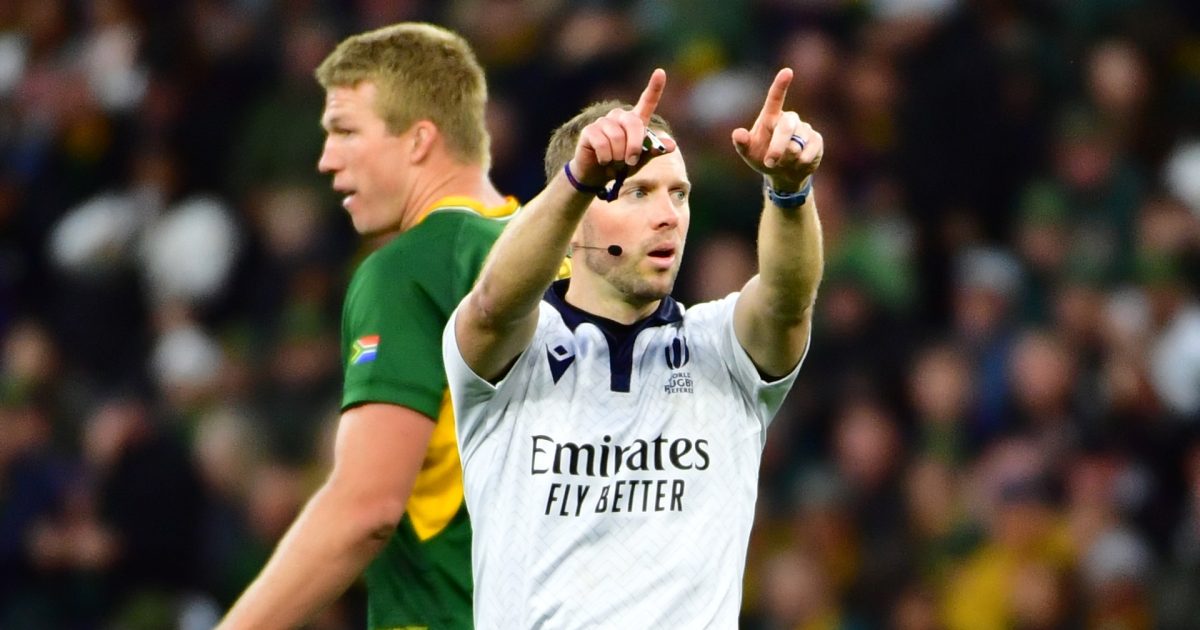
World Rugby has moved to ban two dangerous tackle techniques, adding the hip drop explicitly to Law 9.13 — which covers dangerous play — from November 1, with the offence carrying a minimum sanction of a penalty. Separate guidance on the knee drop came into effect on October 5.
A hip drop occurs when a tackler uses their bodyweight to pull a ball-carrier to the ground before dropping onto the player’s legs from behind. The knee drop — where a defender drops to one or both knees before making contact — was already covered under existing law prohibiting tackles made while on the ground, but World Rugby issued the new guidance to reinforce how officials should apply it.
The announcement follows research commissioned after February’s Shape of the Game meeting, with Leeds Beckett University contributing analysis of both techniques across sevens and fifteens rugby. It also comes days after Newcastle Knights player Phoenix Crossland received a four-match NRL suspension for a hip drop tackle on Penrith Panthers’ Nathan Cleary, who suffered a serious leg injury.
World Rugby chair Brett Robinson said the evidence made the decision straightforward. “Once we looked at the evidence, it was clear the hip drop tackles, whilst rare, could cause significant leg injuries. It was also clear that knee drop tackles were on the rise,” he said. “Protecting player welfare is at the heart of everything that World Rugby does and once we’d reviewed the analysis we’ve acted quickly to ensure that dangerous tackles of this nature are removed from the game, starting this weekend.”
Former Ireland international Rob Kearney, who serves as the International Rugby Players Association representative on the World Rugby Executive Board, acknowledged the short-term adjustment required but backed the move. “While a change of this nature can be challenging to manage in the short term as players, coaches and match officials adjust, this decision has been taken to protect players from potential serious injury, and that’s the right thing to do,” he said.
Read also
-
 Rugby ·
England assistant El-Abd to leave for Clermont after Rugby World Cup 2027
-
 Rugby ·
Former Hurricanes CEO Avan Lee named Munster interim chief as Flanagan era ends
-
 Rugby ·
Scotland interim coach Butcher in talks over permanent role despite seven-game losing run
-
 Rugby ·
Leicester hooker Finn Theobald-Thomas forced to retire at 23 on medical grounds
-
 Rugby ·
England A loosehead van der Flier signs new Leicester Tigers deal despite rival interest
-
 Rugby ·
Hilux NPC regular season ends with 57% attendance surge and record 18-try winger

 Liechtenstein W