Wolff questions how Ferrari can afford 'limitless' upgrades under F1 budget cap
Mercedes team principal Toto Wolff has openly challenged how Ferrari continues to introduce major upgrades to its SF-26 at almost every race weekend, suggesting the Scuderia must be close to exhausting its cost-cap allocation.
2 min read
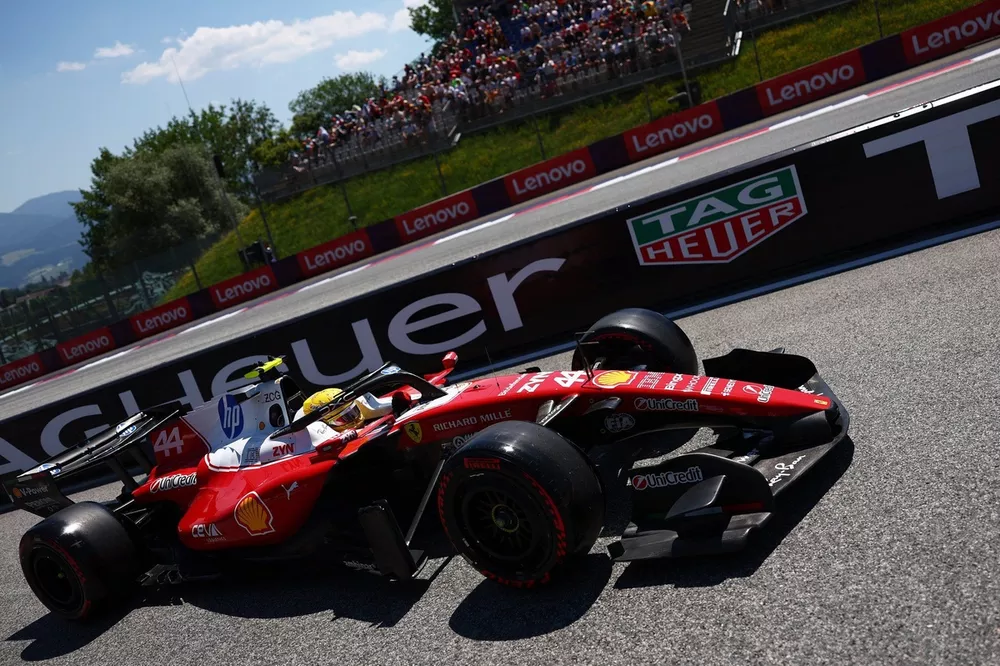
Mercedes team principal Toto Wolff has publicly questioned how Ferrari is financing a relentless stream of upgrades to its SF-26 while remaining within Formula 1’s budget cap, raising the issue after the Austrian Grand Prix where the Scuderia introduced a new engine specification alongside revised front wing elements and several test items.
“We’re a little bit surprised that Ferrari can throw these huge updates at the car in the way they do,” Wolff said. “In my opinion, they need to be running out of money soon, cost cap money, because we can’t do that. We’re simply lacking the buffer in the cost cap to be able to bring so many parts in the way they do.”
Wolff suggested the situation may correct itself as the season progresses. “Hopefully that’s going to change towards the end of the season when they won’t be able to bring any parts anymore,” he added. “At least, let’s say, the logic would say that — and we’re going to come with more.”
Since F1’s enforced April break, following the cancellation of the Bahrain and Saudi Arabian Grands Prix, Ferrari has barely gone a race weekend without updating the SF-26. Beyond the headline aerodynamic overhauls introduced in Miami and Barcelona — the latter coinciding with Lewis Hamilton’s first grand prix victory for the team — there have been numerous smaller revisions to wing endplates, floor-edge geometries, and the innovative ‘Macarena wing’, in which the upper plane of the rear wing pivots 180 degrees when Straight Line Mode is activated.
Part of Ferrari’s ability to develop its power unit may stem from F1’s Additional Development and Upgrade Opportunities framework. The FIA concluded its first ADUO ranking after Monaco, under which manufacturers whose internal combustion engines underperform a set benchmark are granted budgetary relief, additional dyno time, and permission to alter components that would otherwise be frozen until 2027. Ferrari, along with Audi, had engine developments ready to deploy almost immediately once those opportunities were unlocked.
Wolff acknowledged that Mercedes has no engine developments immediately in the pipeline, though the team brought a reliability-focused improvement to its battery pack in Austria — a change that falls outside the ADUO scope. On the chassis side, Mercedes introduced very few new components for much of the season before beginning to accelerate its development programme.
Red Bull has also made significant changes to its RB21 across the campaign, but it is Ferrari’s pace of development that has drawn the most scrutiny from rivals, with Wolff’s comments the most direct public challenge yet to the Scuderia’s spending patterns.
Read also
-
 Formula 1 ·
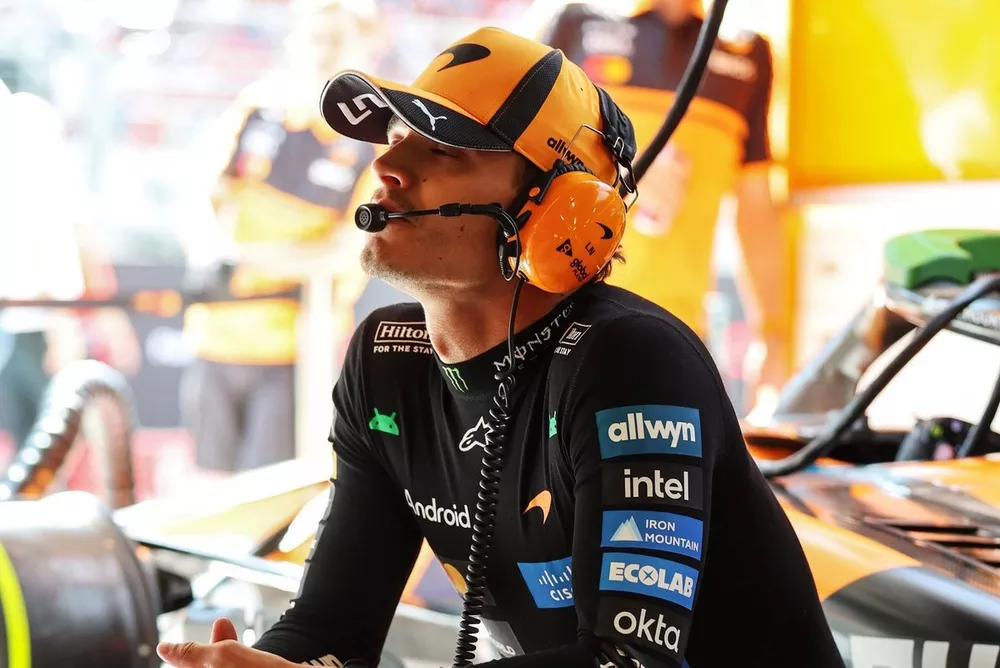
Steiner backs Norris to overhaul Russell and claim second in 2026 F1 standings
-
 Formula 1 ·
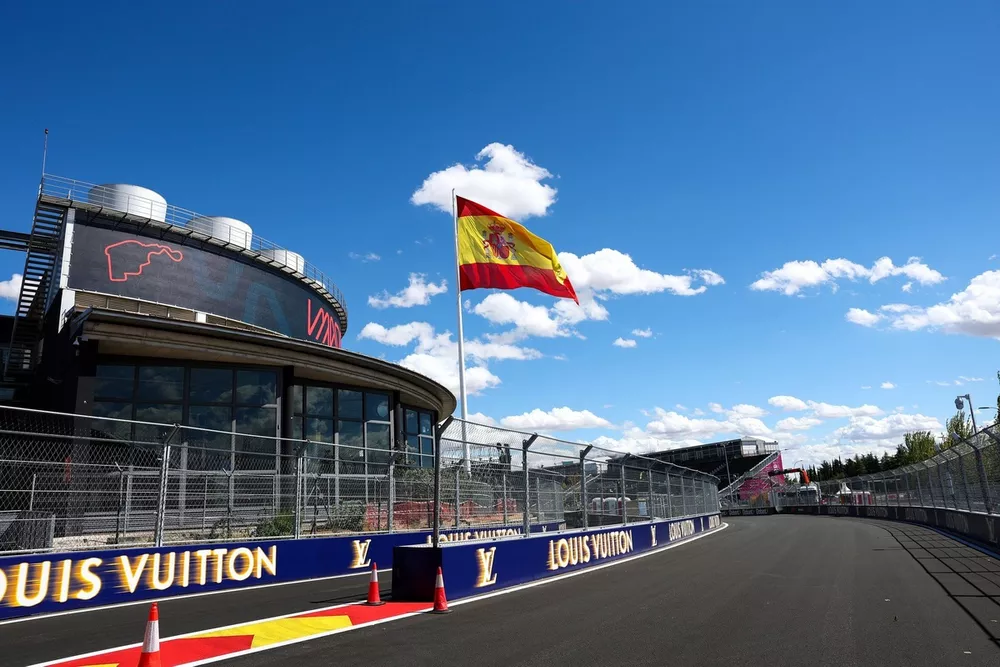
Coulthard demands Madring layout changes before 2027 return after processional debut race
-
 Formula 1 ·
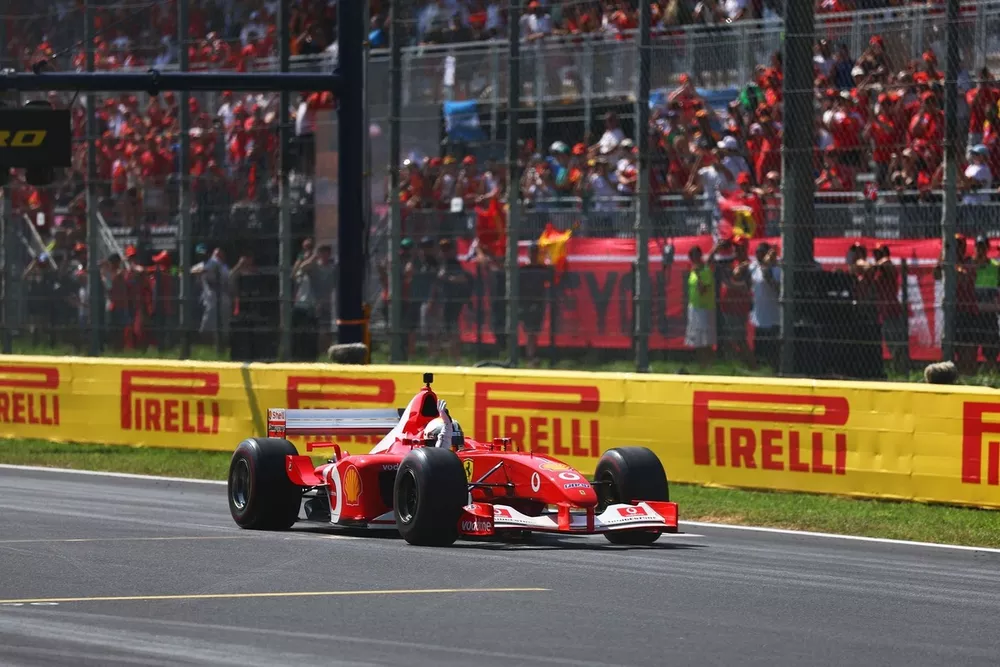
Vettel backs F1 2026 rules to unite sustainability and raw excitement after Monza Ferrari run
-
 Formula 1 ·
Steiner warns Madrid must fix Madring layout after processional 2026 Spanish GP
-
 Formula 1 ·
Ex-Ferrari engineer Smedley calls for augmented steward group to end post-race verdicts
-
 Formula 1 ·
Coulthard demands faster FIA safety car calls after Norris loses Spanish GP win

 New Caledonia